
How Much Protein Per Day Do You Really Need? The Complete Evidence-Based Guide
How much protein per day should you eat? It is one of the most commonly asked questions in nutrition, and the answer you get depends on who you ask. The government says 0.8 g/kg. Your trainer says 1 gram per pound. The internet says everything in between. This guide cuts through the noise with evidence from peer-reviewed research, international health organizations, and sports science position stands.
By the end of this guide, you will understand exactly how much protein you need for your specific goals, why the official recommendation is likely too low, how to distribute protein throughout the day for best results, and how to actually hit your target with practical food choices. Whether you want to build muscle, lose fat, maintain health, or support your body during pregnancy or aging, this guide has you covered.
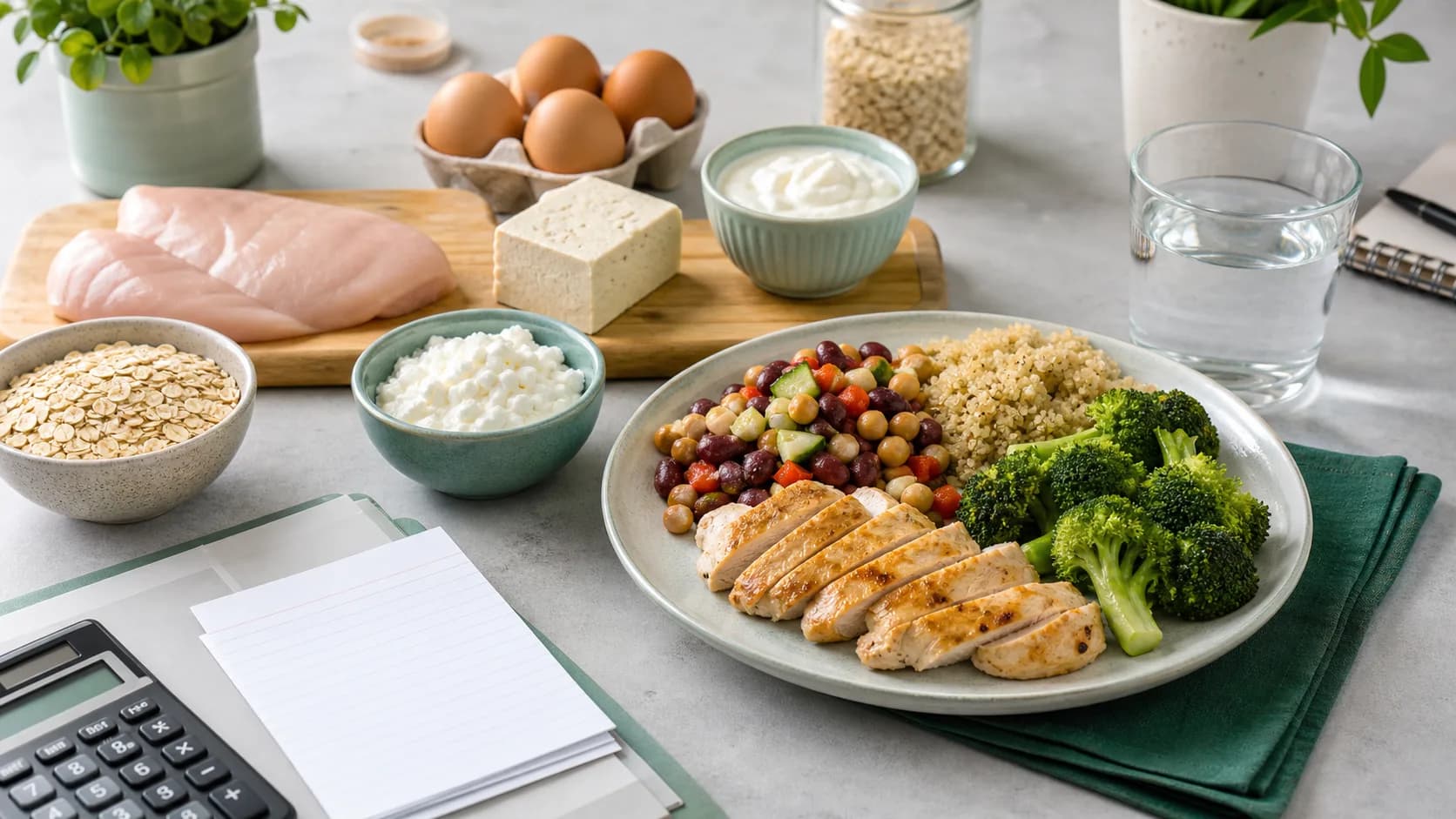
Want your personalized number now? Use our free Protein Calculator to get a customized daily protein target based on your weight, goals, age, sex, and activity level. It takes 30 seconds.
What This Guide Covers
1. The RDA for Protein: History, Methodology, and Why It Falls Short
What the RDA Actually Is
The Recommended Dietary Allowance (RDA) for protein is 0.8 grams per kilogram of body weight per day for adults. For a 70 kg (154 lb) person, that is 56 grams daily. For a 60 kg (132 lb) woman, it is 48 grams. These numbers were established by the National Academies of Sciences, Engineering, and Medicine through the Dietary Reference Intakes (DRI) process.
The RDA is defined as the intake sufficient to meet the nutrient requirements of 97.5% of healthy individuals in a given life stage. It was determined primarily through nitrogen balance studies, which measure whether the body is retaining as much nitrogen (from protein) as it excretes. When intake equals excretion, you are in nitrogen balance, meaning you are not losing muscle.
Crucially, the RDA was designed to prevent protein deficiency, not to optimize health outcomes like muscle mass, bone density, immune function, or body composition. This distinction is often lost in translation, leading millions of people to believe that 0.8 g/kg is a target rather than a floor.
A Brief History of Protein Recommendations
The scientific study of protein requirements began in the early 1900s with Carl Voit and Max Rubner, who proposed that adults needed roughly 118 g of protein per day based on observations of Bavarian laborers. This was later challenged by Russell Chittenden at Yale in 1904, who demonstrated that healthy function could be maintained on considerably less protein — about 50–60 g per day. The debate between “high protein” and “low protein” camps has continued ever since.
The modern RDA framework was established by the Food and Nutrition Board of the National Research Council in 1943 and has been periodically updated, with the current 0.8 g/kg figure being set in the 2005 DRI report. Despite a growing body of research since 2005 showing benefits of higher intakes for active people, aging adults, and those managing their weight, the protein RDA has not been updated. This creates a significant gap between the official recommendation and what modern sports nutrition, geriatric medicine, and obesity research consistently suggest is optimal.
How the RDA Was Calculated
The methodology behind the protein RDA dates back to nitrogen balance studies conducted primarily in the mid-20th century. Participants were fed controlled diets with varying protein levels, and researchers measured nitrogen excretion in urine, feces, skin, and sweat. The Estimated Average Requirement (EAR) was set at the level where nitrogen balance was achieved in 50% of subjects (0.66 g/kg), and the RDA was set two standard deviations above that (0.8 g/kg) to cover 97.5% of the population.
There are well-documented limitations of this approach. Nitrogen balance studies tend to overestimate nitrogen intake and underestimate losses, which means the true requirement could be higher than reported. Additionally, these studies were conducted primarily in young, sedentary adults eating controlled diets in laboratory settings — conditions that do not reflect the real world of exercising, aging, or dieting humans.
Why 0.8 g/kg Is Likely Insufficient for Most People
Since the RDA was established, a large body of research has accumulated showing that higher protein intakes provide meaningful benefits beyond simply preventing deficiency. A 2016 systematic review published in the British Journal of Sports Medicine found that protein intakes of 1.6 g/kg per day significantly enhanced lean mass gains when combined with resistance training. The PROT-AGE study group recommended 1.0–1.2 g/kg for healthy older adults, citing the RDA as insufficient to prevent sarcopenia. And multiple weight-loss trials have shown that 1.2–2.0 g/kg preserves muscle during a calorie deficit far better than the RDA.
The scientific consensus is shifting. While the RDA remains the official number, major sports nutrition organizations including the International Society of Sports Nutrition (ISSN), the American College of Sports Medicine (ACSM), and the International Olympic Committee (IOC) all recommend protein intakes well above 0.8 g/kg for active individuals.
Think of the RDA as the nutritional equivalent of the minimum wage: it keeps you above the poverty line, but few would call it thriving. The real question is how much more you need, and the answer depends on your goals.
2. What Does “Optimal” Protein Actually Mean?
The word “optimal” means different things depending on what outcome you are measuring. Researchers use several different methods to assess protein adequacy, and each method yields different recommended intakes.
Nitrogen Balance
As discussed above, nitrogen balance is the classic method. It tells you the minimum amount of protein needed to avoid net muscle loss. It is useful for establishing a deficiency threshold but tells you nothing about whether higher intakes produce better outcomes for muscle growth, fat loss, immune function, or longevity.
Muscle Protein Synthesis (MPS)
Newer research focuses on muscle protein synthesis — the rate at which your body builds new muscle protein. This process is stimulated by dietary protein (specifically the amino acid leucine) and by resistance exercise. Studies measuring MPS consistently find that the anabolic response to a meal plateaus at around 20–40 g of high-quality protein per meal, and that total daily intakes of 1.6–2.2 g/kg maximize MPS rates in people who resistance train.
The landmark 2018 meta-analysis by Morton et al. (published in the British Journal of Sports Medicine) pooled data from 49 studies and 1,863 participants. It found that protein supplementation significantly augmented changes in fat-free mass, with the point of diminishing returns at approximately 1.62 g/kg/day. The upper confidence interval reached 2.2 g/kg, which is why ranges are typically expressed as 1.6–2.2 g/kg for muscle-building goals.
Body Composition Outcomes
Randomized controlled trials comparing different protein levels show that higher protein diets consistently produce superior body composition outcomes. During weight loss, higher protein (1.2–2.0 g/kg) preserves more lean mass than lower protein. During muscle gain phases, higher protein (1.6–2.2 g/kg) leads to greater increases in fat-free mass. Even during maintenance, protein at 1.0–1.2 g/kg appears to produce better long-term body composition than the RDA of 0.8 g/kg.
Health and Longevity Outcomes
Beyond muscle and body composition, adequate protein supports a wide range of health outcomes. Protein provides the amino acids needed for immune cell production, hormone synthesis, enzyme function, neurotransmitter production, and tissue repair. Observational studies suggest that higher protein intakes are associated with better bone mineral density, lower fracture risk in older adults, improved wound healing, and better outcomes after surgery or illness.
When you combine all these lines of evidence, a clear picture emerges: for most people, the optimal daily protein intake is substantially higher than the RDA of 0.8 g/kg. The exact amount depends on your goals, age, activity level, and body composition.
3. How Your Body Digests and Uses Protein
Understanding how protein is processed in your body helps explain why factors like protein quality, meal timing, and leucine content matter. Here is a simplified overview of the journey from plate to muscle.
Step 1: Digestion Begins in the Stomach
When you eat a protein-rich food, hydrochloric acid in your stomach denatures (unfolds) the protein, and the enzyme pepsin begins breaking it into smaller peptides. This process typically takes 1–4 hours depending on the type of protein and what else you ate with it. Liquid proteins (whey shakes) digest faster; whole foods (steak) take longer.
Step 2: Absorption in the Small Intestine
The peptides move into the small intestine, where pancreatic enzymes (trypsin, chymotrypsin) break them further into individual amino acids and small peptides. These are absorbed through the intestinal wall into the bloodstream. The rate of absorption varies: whey protein is absorbed at approximately 8–10 g per hour, while cooked egg protein is absorbed at about 3 g per hour. This does not mean that excess protein is wasted — it means that slower-digesting proteins provide a more sustained release of amino acids.
Step 3: The Amino Acid Pool
Once absorbed, amino acids enter the body’s free amino acid pool — a circulating reservoir distributed throughout the blood, liver, and tissues. Your body constantly draws from this pool for various functions: building muscle, producing enzymes and hormones, supporting immune cells, repairing damaged tissue, and, when necessary, converting amino acids to glucose or using them for energy.
Step 4: Muscle Protein Synthesis (MPS)
When amino acid levels in the blood rise (especially the branched-chain amino acid leucine), this triggers a signaling cascade through the mTOR pathway that activates muscle protein synthesis. MPS is the process by which your muscles incorporate amino acids into new muscle protein. This is the fundamental mechanism behind muscle growth and repair.
The key concept is the leucine threshold: research suggests that approximately 2.5–3 g of leucine per meal is needed to maximally stimulate MPS. This corresponds to roughly 20–40 g of high-quality protein (like whey, eggs, or chicken), depending on the leucine content of the source. Plant proteins generally require larger servings to reach the same leucine threshold.
Step 5: Muscle Protein Breakdown (MPB)
At the same time that your body is building muscle protein, it is also breaking down existing muscle protein. This is a normal, continuous process called muscle protein turnover. Your net muscle gain or loss depends on the balance between MPS and MPB. When MPS exceeds MPB, you gain muscle. When MPB exceeds MPS, you lose muscle. Eating adequate protein throughout the day keeps MPS elevated and net protein balance positive.
4. Protein Quality and Bioavailability: Not All Protein Is Equal
A gram of protein from chicken breast is not identical to a gram of protein from rice. Protein quality refers to the amino acid profile of a food and how well your body can digest and use it. Two standardized scoring systems help compare protein sources.
PDCAAS: Protein Digestibility-Corrected Amino Acid Score
PDCAAS was adopted by the WHO in 1993 as the standard for protein quality assessment. It evaluates proteins based on their amino acid profile relative to human requirements and their digestibility. Scores range from 0 to 1.0, with 1.0 being the highest quality. Proteins scoring 1.0 include whey, casein, egg, and soy protein isolate. Whole wheat scores about 0.42, and peanuts score about 0.52.
DIAAS: Digestible Indispensable Amino Acid Score
DIAAS is the newer scoring system recommended by the FAO since 2013. Unlike PDCAAS (which is capped at 1.0), DIAAS can score above 1.0 for high-quality proteins, providing better differentiation. It also measures ileal (small intestine) digestibility rather than fecal digestibility, which is more accurate. Under DIAAS, whole milk scores 1.14, whey protein isolate scores 1.09, chicken breast scores 1.08, and cooked peas score 0.58.
Complete vs. Incomplete Proteins
A complete protein contains all nine essential amino acids (histidine, isoleucine, leucine, lysine, methionine, phenylalanine, threonine, tryptophan, and valine) in adequate proportions. Most animal proteins are complete: meat, fish, poultry, eggs, and dairy. Soy and quinoa are notable plant-based complete proteins.
Most other plant proteins are incomplete, meaning they are low in one or more essential amino acids. Legumes are typically low in methionine; grains are typically low in lysine. However, combining different plant sources throughout the day (beans with rice, hummus with pita, tofu with grain) provides a complete amino acid profile. You do not need to combine them in the same meal — your body’s amino acid pool accumulates amino acids over the course of the day.
Protein Quality Comparison Table
The following table compares common protein sources by their quality scores, leucine content, and digestibility. Use this to understand which sources give you the most “bang for your buck” in terms of muscle protein synthesis and overall amino acid delivery.
| Source | PDCAAS | DIAAS | Leucine (g/100g protein) | Complete? |
|---|---|---|---|---|
| Whey protein isolate | 1.00 | 1.09 | 11.0 | Yes |
| Whole egg | 1.00 | 1.13 | 8.6 | Yes |
| Chicken breast | 1.00 | 1.08 | 7.5 | Yes |
| Whole milk | 1.00 | 1.14 | 9.8 | Yes |
| Soy protein isolate | 1.00 | 0.90 | 8.0 | Yes |
| Pea protein | 0.89 | 0.82 | 8.4 | Nearly |
| Cooked lentils | 0.52 | 0.58 | 6.8 | No |
| Whole wheat | 0.42 | 0.45 | 6.7 | No |
| Rice protein | 0.47 | 0.42 | 8.0 | No |
Note: PDCAAS is capped at 1.0; DIAAS allows differentiation above 1.0. Higher leucine content per 100 g of protein means a smaller serving is needed to trigger maximum MPS.
The Role of Protein Supplements
Protein supplements are not required to meet your daily target, but they can be a practical tool in specific situations. Whey protein is the most well-researched supplement for muscle building due to its rapid digestion, high leucine content, and excellent DIAAS score. Casein protein digests slowly and is ideal before bed. Plant protein blends (pea + rice) can approximate the amino acid profile of whey. Egg white protein powder is another high-quality option for those who tolerate it.
Supplements make the most sense when: you have a very high daily target (150+ g), you have time or appetite constraints that make whole-food meals difficult, you need a convenient post-workout option, or you follow a restricted diet (vegan, dairy-free) that limits your whole-food protein sources. In all cases, aim to get the majority of your protein from whole foods and use supplements to fill gaps — not as your primary source.
Practical Implications for Your Protein Target
If you eat primarily high-quality animal proteins, the standard g/kg recommendations apply directly. If you eat primarily plant-based proteins, consider increasing your total intake by 10–20% to account for lower digestibility and amino acid limitations. For example, if your target is 120 g/day from animal sources, aim for 130–145 g/day if you are fully plant-based.
For a comprehensive look at protein content by food, see our Food Protein Charts.
5. How Much Protein Per Day by Goal
Your optimal protein intake depends primarily on your current goal. The following ranges are based on the best available evidence from randomized controlled trials, meta-analyses, and expert position stands.
General Health & Maintenance
0.8 – 1.2 g/kg per day (36 – 55 g per 100 lb)
If you are a moderately active adult with no specific body-composition goal, 1.0–1.2 g/kg is a practical daily target. This range supports immune function, tissue repair, enzyme production, and general well-being. It is slightly above the RDA but well within safe limits. Multiple studies suggest that even sedentary individuals see improved health markers when eating above 0.8 g/kg.
At the lower end (0.8–1.0 g/kg), you are covering basic metabolic needs. At the higher end (1.0–1.2 g/kg), you are providing a buffer for days when activity is higher, supporting slightly better body composition, and giving your immune system more raw material to work with.
Muscle Gain & Strength Training
1.6 – 2.2 g/kg per day (73 – 100 g per 100 lb)
The Morton 2018 meta-analysis established 1.6 g/kg as the point where muscle gain benefits from additional protein begin to plateau. However, the upper confidence interval of 2.2 g/kg means some individuals may still benefit from higher intakes. This range applies to both men and women engaged in regular resistance training.
The popular “1 gram per pound” rule (2.2 g/kg) sits at the upper end of this evidence-based range. It is a simple, easy-to-remember guideline that provides a built-in safety margin. While slightly above the optimal average, it is not harmful and may benefit individuals who are training at high volumes, are genetically gifted responders, or are uncertain about their exact body composition.
For a deeper dive into protein for building muscle, read our Protein for Muscle Gain guide.
Weight Loss & Fat Loss
1.2 – 2.0 g/kg per day (55 – 91 g per 100 lb)
During a calorie deficit, your body is more inclined to break down muscle for energy. Higher protein counteracts this by providing a strong signal to preserve lean tissue. It also increases satiety (helping you feel full on fewer calories), and has the highest thermic effect of any macronutrient (20–30% of protein calories are burned during digestion alone).
If you are combining your deficit with resistance training (which you should), aim for the upper end: 1.6–2.0 g/kg. A 2016 study by Longland et al. showed that subjects consuming 2.4 g/kg during an aggressive deficit (40% below maintenance) while training hard actually gained lean mass while losing fat — a result that demonstrates the powerful muscle-sparing effect of high protein.
For detailed guidance, see our Protein for Weight Loss guide.
Athletes & High-Level Performers
1.4 – 2.0 g/kg per day (varies by sport)
The ISSN and ACSM both recommend 1.4–2.0 g/kg for athletes. Endurance athletes tend to fall on the lower end (1.4–1.6 g/kg) while strength and power athletes benefit from the higher end (1.6–2.0 g/kg). Athletes in weight-class sports who are cutting weight may need up to 2.0–2.4 g/kg to preserve muscle during rapid weight cuts.
Team sport athletes (soccer, basketball, rugby) have variable demands and generally do well at 1.4–1.8 g/kg. During heavy training blocks or tournament periods, requirements increase. During the off-season, they can be modestly reduced.
Body Recomposition (Lose Fat + Gain Muscle)
1.6 – 2.4 g/kg per day
Body recomposition — simultaneously losing fat while gaining or maintaining muscle — is most achievable for beginners, those returning after a layoff, individuals with higher body fat, and those using very high protein intakes. The Longland study used 2.4 g/kg to achieve recomposition in a 40% calorie deficit. More moderate deficits (15–25%) may achieve recomposition at 1.6–2.0 g/kg.
The key requirements for successful recomposition are: high protein, resistance training 3–5 times per week, adequate sleep, and a moderate (not aggressive) calorie deficit.
6. Special Populations: Seniors, Pregnancy, Teens, and Vegetarians
Older Adults (65+)
Aging causes a phenomenon called anabolic resistance: muscles become less responsive to the protein you eat. The same 20 g serving of protein that maximally stimulates MPS in a 25-year-old produces a blunted response in a 70-year-old. To counteract this, the PROT-AGE study group recommends 1.0–1.2 g/kg for healthy older adults, and up to 1.5 g/kg for those with acute or chronic illness.
Equally important for seniors is the per-meal dose. Research suggests older adults need approximately 25–40 g of protein per meal (with emphasis on leucine-rich sources) to overcome the anabolic resistance threshold. This is higher than the 20 g threshold typically cited for younger adults. Spreading intake across at least 3 meals with adequate protein at each is critical.
Pregnancy and Breastfeeding
Protein needs increase progressively during pregnancy. In the first trimester, baseline intake is usually sufficient. By the second and third trimesters, an additional 25 g/day is recommended to support fetal growth, placental development, and maternal blood volume expansion. This brings the total to approximately 1.1–1.5 g/kg.
During breastfeeding, requirements remain elevated. Breast milk contains approximately 1–1.2 g of protein per 100 mL, and most women produce 750–800 mL per day, representing about 8–10 g of protein that must be replaced through diet. Combined with recovery needs, 1.3–1.5 g/kg is a reasonable target. Consult your OB-GYN or midwife for individualized guidance.
For detailed life-stage guidance, see our Protein for Women guide.
Teenagers
The RDA for teens aged 14–18 is 0.85 g/kg, slightly higher than for adults due to growth demands. Active teens involved in sports typically benefit from 1.2–1.6 g/kg. Teen athletes in heavy strength training may benefit from up to 1.6–2.0 g/kg. Growing bodies need protein not only for muscle but also for bone development, hormonal maturation, and immune function.
Vegetarians and Vegans
Plant-based eaters can absolutely meet protein needs, but it requires more deliberate planning. Plant proteins generally have lower digestibility scores and less optimal amino acid profiles than animal proteins. The practical recommendation is to increase total protein intake by 10–20% above the standard ranges (e.g., if the range is 1.6 g/kg, aim for 1.8–1.9 g/kg) and to consume a variety of protein sources throughout the day.
Key plant protein sources include tofu, tempeh, edamame, lentils, chickpeas, black beans, seitan, quinoa, hemp seeds, and pea protein. Soy is unique among plant proteins in being both complete and highly digestible, making it an excellent anchor food for plant-based diets.
People Recovering from Injury or Surgery
Recovery from physical trauma, surgery, or serious illness dramatically increases protein needs. The body redirects amino acids toward wound healing, immune defense, and tissue regeneration. Clinical nutrition guidelines recommend 1.2–2.0 g/kg for surgical recovery, with the higher end for burn patients, major orthopedic surgery, or those fighting infections. Even recovery from a bone fracture benefits from adequate protein, as approximately 50% of bone volume is protein by mass. During any recovery period, maintaining or increasing protein intake is one of the most impactful nutritional interventions available.
People on Very Low Calorie Diets (VLCDs)
Individuals on medically supervised very low calorie diets (below 1,000 calories per day) need to pay special attention to protein. When calories are extremely restricted, the body accelerates muscle breakdown for gluconeogenesis. Protein intake of 1.5–2.0+ g/kg or even higher can be needed to preserve lean mass in these extreme scenarios. VLCDs should only be undertaken under medical supervision, and the protein component is a critical safety element of the protocol.
7. Quick-Reference: Daily Protein by Body Weight
The table below shows approximate daily protein targets in grams for common body weights across different goals. Use this as a quick reference, then visit our Protein Calculator for a personalized recommendation.
| Body Weight | RDA (0.8) | Health (1.2) | Fat Loss (1.6) | Muscle (2.0) | Max (2.2) |
|---|---|---|---|---|---|
| 50 kg (110 lb) | 40 g | 60 g | 80 g | 100 g | 110 g |
| 55 kg (121 lb) | 44 g | 66 g | 88 g | 110 g | 121 g |
| 60 kg (132 lb) | 48 g | 72 g | 96 g | 120 g | 132 g |
| 65 kg (143 lb) | 52 g | 78 g | 104 g | 130 g | 143 g |
| 70 kg (154 lb) | 56 g | 84 g | 112 g | 140 g | 154 g |
| 75 kg (165 lb) | 60 g | 90 g | 120 g | 150 g | 165 g |
| 80 kg (176 lb) | 64 g | 96 g | 128 g | 160 g | 176 g |
| 85 kg (187 lb) | 68 g | 102 g | 136 g | 170 g | 187 g |
| 90 kg (198 lb) | 72 g | 108 g | 144 g | 180 g | 198 g |
| 95 kg (209 lb) | 76 g | 114 g | 152 g | 190 g | 209 g |
| 100 kg (220 lb) | 80 g | 120 g | 160 g | 200 g | 220 g |
| 110 kg (242 lb) | 88 g | 132 g | 176 g | 220 g | 242 g |
Values are rounded to the nearest gram. These use total body weight. For individuals with high body fat (>30%), see the section on total body weight vs. lean mass. Use our Per-kg Calculator or Per-pound Calculator for custom values.
What Does 30 g of Protein Actually Look Like?
One of the biggest barriers to hitting protein targets is not knowing how much common foods actually provide. Here are examples of single foods that each provide approximately 30 g of protein. Understanding these portion sizes makes meal planning dramatically easier.
120 g (4 oz) chicken breast
About the size of a deck of cards
130 g (4.5 oz) salmon fillet
Roughly the size of a checkbook
5 large eggs
About 6 g protein each
300 g (1.25 cups) Greek yogurt
A generous single serving
200 g (7 oz) cottage cheese
About one cup
1 scoop whey protein + 1 cup milk
Quick and convenient
400 g (2.5 cups) cooked lentils
Plant-based option, also rich in fiber
350 g (12 oz) firm tofu
About 3/4 of a standard block
As you can see, getting 30 g from animal sources requires relatively modest portions. Plant sources require larger volumes, which is why plant-based eaters often benefit from combining protein-rich foods at each meal and using protein-dense options like tofu, tempeh, and seitan.
8. Total Body Weight vs. Lean Body Mass: Which Should You Use?
Most protein recommendations are based on total body weight (TBW), which is simple and works well for most people. However, at very high body fat levels, using TBW can overestimate your protein needs because adipose (fat) tissue does not require as much protein for maintenance as lean tissue.
When to Use Total Body Weight
- •Your body fat percentage is below 30% (men) or 35% (women)
- •You do not know your body fat percentage
- •You want the simplest possible calculation
When to Consider Lean Body Mass or Adjusted Weight
- •Your body fat is above 30% (men) or 35% (women)
- •You know your body fat percentage from a DEXA scan, BIA, or skinfold measurements
- •You want a more precise target
How to Calculate Using Lean Body Mass
Lean Body Mass (LBM) = Total Weight × (1 − Body Fat %). For example, a 100 kg person at 35% body fat has an LBM of 65 kg. When using LBM, apply a higher multiplier: 2.0–2.5 g per kg of LBM. So 65 kg LBM × 2.2 g/kg = 143 g of protein per day. This is comparable to what you would get using 1.6 g/kg of their total weight (160 g), so the methods generally converge.
The Adjusted Body Weight Method
Some practitioners use an adjusted body weight formula: Adjusted Weight = Ideal Body Weight + 0.25 × (Actual Weight − Ideal Body Weight). This is a compromise between using total weight and lean mass that does not require knowing your body fat percentage. Our Protein Calculator handles these adjustments automatically when you enter your body fat percentage.
For more on how different countries and systems express protein recommendations, see our Protein Per kg vs. Per Pound guide.
9. Protein Distribution and Meal Timing
While total daily protein intake is the primary driver of results, how you distribute that protein across meals can make a meaningful difference, especially for muscle-building goals. The key concept is that MPS is stimulated in a pulsatile fashion — it rises after each protein-rich meal, peaks at about 1.5–3 hours, and returns to baseline after 3–5 hours.
The Per-Meal Protein Dose
Research by Moore et al. (2009) and Witard et al. (2014) established that MPS is maximally stimulated by approximately 0.4 g/kg per meal in young adults, which works out to roughly 20–40 g depending on body size. Eating more than this in a single meal is not wasted — it is used for other purposes (energy, urea synthesis, gluconeogenesis) — but it does not further stimulate muscle building in that meal window.
For older adults, the per-meal threshold is higher (approximately 30–40 g) due to anabolic resistance. This is one reason why the common pattern of eating a low-protein breakfast and lunch followed by a high-protein dinner is suboptimal for seniors.
Meal Frequency Recommendations
3 Meals
30–50 g per meal. Works well for most people, especially those with moderate protein targets (90–150 g/day). The simplest approach to maintain consistently.
4 Meals
25–40 g per meal. Adds a post-workout meal or afternoon snack to a standard three-meal pattern. Popular among recreational lifters targeting 120–160 g/day.
5+ Meals
20–35 g per meal. Common among athletes and those with very high targets (160+ g/day) who find it easier to eat smaller, more frequent meals.
The “Anabolic Window” and Workout Timing
The idea that you must consume protein within 30 minutes of training or miss a crucial anabolic window has been largely debunked. A 2013 meta-analysis by Schoenfeld et al. found that the overall daily protein intake was far more important than precise peri-workout timing. That said, consuming protein within 2–3 hours on either side of training does support recovery and is a good practice.
If you train first thing in the morning without eating, having protein soon after is more important. If you had a protein-rich meal 2–3 hours before training, the urgency of post-workout protein is reduced because amino acids from that meal are still available.
Pre-Sleep Protein
Several studies have shown that consuming 30–40 g of protein before bed (especially casein, which digests slowly) can increase overnight MPS and improve recovery. This is particularly useful for people with high protein targets who struggle to fit enough protein into their daytime meals.
10. Factors That Increase or Decrease Your Protein Needs
The ranges above are starting points. Several factors can shift your optimal intake higher or lower within those ranges.
Training Volume and Intensity
Higher training volumes create more muscle damage and require more protein for repair. A person training 5–6 times per week with high volume needs more protein than someone training 2–3 times. Similarly, eccentric-heavy training (which causes more microtears) increases requirements compared to concentric-only work.
Calorie Intake (Deficit vs. Surplus)
In a calorie deficit, protein needs increase because the body is more prone to using amino acids for energy. In a surplus, energy availability partially spares protein from being oxidized. This is why weight-loss protein recommendations (1.2–2.0 g/kg) are higher than maintenance (0.8–1.2 g/kg) relative to goals.
Age
As discussed, anabolic resistance in older adults raises protein needs. Conversely, children and adolescents have higher per-kg needs than adults due to growth demands. The RDA for children aged 4–13 is 0.95 g/kg, declining to 0.85 for teens 14–18, and 0.8 for adults.
Training Experience
Paradoxically, trained individuals may need slightly less protein per kg than beginners for the same muscle-building outcome, because their bodies become more efficient at recycling amino acids. However, trained individuals typically have more muscle mass, so their absolute protein needs (in grams) are usually higher.
Stress, Illness, and Recovery
Physical trauma, surgery, burns, infections, and chronic illness significantly increase protein requirements. Hospitalized patients may need 1.2–2.0 g/kg to support wound healing and immune function. Even psychological stress can increase cortisol levels, which promotes muscle breakdown and may modestly increase protein needs.
Protein Source Quality
If your diet is predominantly plant-based, increase your target by 10–20% to compensate for lower digestibility and suboptimal amino acid profiles. If you eat primarily high-quality animal proteins, the standard recommendations apply directly.
Health Conditions
Certain conditions alter protein needs. Chronic kidney disease (CKD stage 3+) requires protein restriction (0.6–0.8 g/kg). Diabetes, liver disease, and cancer may require modified intakes. Always consult your physician before making significant dietary changes if you have a diagnosed medical condition. See our Protein Safety guide for details.
11. Common Myths and Misconceptions About Daily Protein Needs
Protein is surrounded by more misinformation than almost any other nutrient. Here are the most common myths, debunked with evidence.
Myth 1: “Your body can only absorb 30 g of protein per meal”
Reality: Your body can digest and absorb far more than 30 g in a single sitting. What the research actually shows is that muscle protein synthesis per meal is maximized at approximately 20–40 g of high-quality protein. Protein above that threshold is still absorbed and used — for energy, immune function, enzyme synthesis, and other processes — it simply does not further stimulate MPS in that specific meal window. No protein is “wasted.”
Myth 2: “High protein damages your kidneys”
Reality: In people with healthy kidneys, protein intakes up to 2.0–3.0+ g/kg have been studied for up to one year with no adverse effects on kidney function. The concern originated from observations in people who already had compromised kidneys. Applying those findings to healthy populations is a significant error of generalization. A 2018 meta-analysis confirmed no harmful effects of high protein on kidney markers in healthy adults.
Myth 3: “You must eat protein within 30 minutes of working out”
Reality: The anabolic window is much wider than 30 minutes. Research by Schoenfeld et al. (2013) demonstrated that total daily protein intake is far more important than peri-workout timing. Consuming protein within 2–3 hours on either side of training is sufficient. If you ate a meal 2 hours before training, you have ample amino acids available post-workout even without an immediate shake.
Myth 4: “Excess protein turns into fat”
Reality: While it is technically possible for excess protein calories to contribute to fat gain, the pathway is metabolically inefficient. Protein has the highest thermic effect (20–30%), and the de novo lipogenesis pathway (converting amino acids to fat) is energetically costly. In practice, overfeeding studies show that excess protein calories are far less likely to be stored as fat compared to excess carbohydrate or fat calories. In one study, participants eating 800 extra calories per day from protein gained less body fat than those eating the same excess from carbs.
Myth 5: “High protein is bad for your bones”
Reality: The old “acid-ash hypothesis” suggested that protein creates an acidic environment that leaches calcium from bones. This has been thoroughly debunked. Current evidence shows that higher protein intake is associated with greater bone mineral density and reduced fracture risk. Protein increases calcium absorption, stimulates IGF-1 (which supports bone formation), and provides the structural matrix for bone.
Myth 6: “Plant protein is inferior and you cannot build muscle on a plant-based diet”
Reality: While individual plant proteins have lower DIAAS scores than most animal proteins, a well-planned plant-based diet that includes a variety of sources can provide all essential amino acids in adequate amounts. Research shows that plant-based protein supplementation can support similar muscle gains to whey protein when total protein and leucine intake are matched. The key is eating enough total protein and including a variety of sources.
Myth 7: “Women should not eat as much protein as men”
Reality: Per kilogram of body weight, the optimal protein ranges are similar for both sexes. Women typically need fewer total grams simply because they tend to weigh less. A 65 kg woman aiming for 1.6 g/kg needs 104 g/day, which is very achievable and beneficial. See our Protein for Women guide for detailed life-stage recommendations.
Myth 8: “You need protein supplements to meet your daily target”
Reality: Whole foods can provide all the protein most people need. Chicken, fish, eggs, Greek yogurt, cottage cheese, legumes, and tofu are all excellent sources. Protein powder is a convenient supplement, not a necessity. It is most useful for people with very high targets (150+ g/day) or those with time, appetite, or dietary constraints that make whole-food protein difficult.
12. Common Mistakes People Make With Protein Intake
Mistake 1: Loading All Protein Into One Meal
Many people eat a low-protein breakfast (toast, cereal, fruit), a moderate lunch, and then try to compensate with a massive dinner. This skewed pattern means you only get one strong MPS stimulus per day instead of three or four. The fix is simple: include 20–40 g of protein at every meal, starting with breakfast.
Mistake 2: Not Tracking or Estimating Intake
Many people assume they eat enough protein without ever checking. Studies consistently show that people overestimate their protein intake and underestimate their calorie intake. Tracking your food for even one week (using an app or food diary) provides a reality check. You may be surprised to find you are eating 20–40% less protein than you thought.
Mistake 3: Confusing Protein Weight With Food Weight
Eating 100 grams of chicken is not the same as eating 100 grams of protein. A 100 g chicken breast contains approximately 31 g of protein. To get 150 g of protein from chicken alone, you would need to eat about 480 g (just over 1 pound) of chicken breast. Understanding the protein content of foods is essential for hitting your target.
Mistake 4: Relying on One Protein Source
Eating chicken breast three times a day works mathematically but is nutritionally limited and unsustainable. Different protein sources provide different amino acid profiles, micronutrients, and health benefits. Fish provides omega-3s, dairy provides calcium, legumes provide fiber, and eggs provide choline. Variety improves both nutritional completeness and adherence.
Mistake 5: Cutting Protein When Cutting Calories
This is backwards. When you reduce calories, protein should be the last macronutrient you cut. In fact, your protein percentage (and often your absolute grams) should increase during a deficit to preserve muscle mass. Cut calories from fat and carbohydrates first, and keep protein high.
Mistake 6: Ignoring Protein Quality
Not all protein sources are equally effective at stimulating MPS. If most of your protein comes from low-leucine, low-digestibility sources, you may need to eat more total protein to achieve the same anabolic effect. Prioritize complete, leucine-rich sources at most meals, and supplement with plant proteins for variety and fiber.
Mistake 7: Skipping Protein at Breakfast
Breakfast is the most commonly protein-deficient meal. A typical breakfast of toast, cereal, or a pastry may contain only 5–10 g of protein. Swapping to eggs, Greek yogurt, a protein smoothie, or cottage cheese can easily add 20–30 g per day with minimal effort and dramatically improve protein distribution.
13. Advanced Tips for Experienced Readers
Periodize Your Protein Intake
Just as you periodize training, you can adjust protein across phases. During a bulk (calorie surplus), 1.6–1.8 g/kg is sufficient. During a cut (deficit), increase to 2.0–2.4 g/kg. During maintenance, 1.4–1.6 g/kg. This allows you to allocate more calories to carbs and fats during bulking phases while maximizing muscle preservation during cuts.
Leverage the Leucine Threshold
Focus on getting at least 2.5–3 g of leucine per meal to maximize MPS. Whey protein is the most leucine-dense source (~11% leucine by weight). If using plant proteins, you may need to combine sources or increase the serving size to reach the leucine threshold. Adding a small amount of whey to a plant-based meal is an effective strategy for mixed-diet eaters.
Use Pre-Sleep Casein
Casein digests slowly (6–7 hours), providing a sustained amino acid release overnight. Research shows that 30–40 g of casein before bed increases overnight MPS and improves next-day recovery without affecting fat gain. Cottage cheese (rich in casein) or a casein shake before bed are practical options.
Consider Protein:Energy Ratio for Satiety
The “protein leverage hypothesis” suggests that humans eat until protein needs are met. If your diet is low in protein density, you may unconsciously overeat calories to satisfy protein cravings. Increasing the protein-to-calorie ratio of your diet (more chicken breast, less fried chicken) can reduce total calorie intake without conscious restriction.
Do Not Neglect Creatine Alongside Protein
Creatine monohydrate (3–5 g/day) is the most well-researched and effective supplement for muscle gain after protein itself. It works through a completely different mechanism (replenishing phosphocreatine for ATP production), so it stacks with protein rather than replacing it. If muscle gain is your goal, protein plus creatine is the most evidence-backed supplement combination.
14. Step-by-Step: How to Calculate and Hit Your Daily Protein Target
Follow this actionable, step-by-step checklist to go from “I have no idea how much protein I need” to confidently hitting your target every day. This framework works whether you are a complete beginner or an experienced athlete looking to dial in your nutrition.
Determine your body weight in kilograms
If you know your weight in pounds, divide by 2.2. Example: 170 lbs ÷ 2.2 = 77 kg.
Identify your primary goal
General health (1.0–1.2 g/kg), weight loss (1.2–2.0 g/kg), muscle gain (1.6–2.2 g/kg), or maintenance with training (1.2–1.6 g/kg).
Multiply your weight by the g/kg factor
Example: 77 kg × 1.6 g/kg = 123 g/day for muscle gain (lower end). Or use our Protein Calculator for an automatic, personalized result.
Decide on meal frequency
Divide your daily target by 3, 4, or 5 meals. Example: 123 g ÷ 4 meals = ~31 g per meal.
Plan your protein source for each meal
Choose a protein anchor for each meal: eggs at breakfast, chicken at lunch, fish at dinner, yogurt for snack. Use our Food Protein Charts for reference.
Track for one week
Use a food-tracking app (MyFitnessPal, Cronometer, etc.) for at least 7 days to verify your actual intake. Adjust portions as needed.
Batch-prep protein sources
Cook chicken, boil eggs, portion yogurt, or prepare bean dishes at the start of the week. Having protein ready to eat eliminates the most common barrier: convenience.
Evaluate and adjust after 4 weeks
After a month, assess your progress. Are you recovering well from training? Is your body composition improving? Are you consistently hitting your target? Adjust the g/kg multiplier up or down by 0.2 if needed.
How to Track Your Protein Intake
Tracking does not need to be complicated or permanent. Even tracking for just one or two weeks gives you a realistic picture of your current intake and helps you identify gaps. Here are the most effective methods, from simplest to most precise:
Hand-size estimation (simplest)
One palm-sized portion of meat, fish, or tofu provides roughly 20–30 g of protein. Aim for one palm of protein at each meal. No apps or scales required. Accuracy is moderate but sufficient for most non-competitive goals.
Food diary or note-taking (moderate effort)
Write down what you eat and look up approximate protein values using nutrition labels or a reference chart. This takes 5–10 minutes per day and provides a good reality check. Our Food Protein Charts can serve as your quick-reference guide.
Nutrition tracking apps (most precise)
Apps like MyFitnessPal, Cronometer, MacroFactor, or FatSecret have extensive food databases. You can scan barcodes, search for foods, and see a daily protein total. Most useful for people with specific targets, athletes, or those going through a body composition change.
A good approach is to track diligently for 2–4 weeks until you develop an intuitive sense of portion sizes, then transition to less precise tracking (like the hand method) for long-term maintenance. Chronic food tracking can be psychologically burdensome for some people, so find the level of precision that works for your personality and goals without causing stress.
15. Practical Strategies and Sample Days
High-Protein Food Swaps
Small changes to everyday meals can add 30–60 g of protein to your day without dramatically changing what you eat.
| Instead of… | Try… | Protein Boost |
|---|---|---|
| Toast with butter | 2 eggs on toast | +12 g |
| Regular yogurt | Greek yogurt (200 g) | +12 g |
| Pasta with marinara | Pasta with meat sauce + parmesan | +25 g |
| Chips as a snack | Cottage cheese with berries | +14 g |
| Fruit smoothie | Protein smoothie (add whey or Greek yogurt) | +20 g |
| Salad with croutons | Salad with grilled chicken | +28 g |
Budget-Friendly High-Protein Foods
A common objection to higher protein diets is cost. While premium cuts of meat and wild-caught fish can be expensive, many excellent protein sources are among the cheapest foods available per gram of protein. Eggs consistently rank as one of the most affordable complete protein sources worldwide, at roughly $0.10–0.15 per egg (6 g protein). Canned tuna and canned beans provide substantial protein at very low cost. Whole chicken or chicken thighs are significantly cheaper than boneless, skinless breast while providing similar protein content. Greek yogurt purchased in large tubs (rather than individual cups) offers excellent value. Cottage cheese, canned sardines, peanut butter, milk, and dried lentils round out the budget protein toolkit. By building meals around these affordable staples and reserving premium proteins for occasional variety, hitting a high daily target becomes economically accessible for virtually anyone.
Sample Day: ~130 g Protein (Weight Loss, ~1,600 cal)
Sample Day: ~170 g Protein (Muscle Gain, ~2,400 cal)
Explore more food options in our Food Protein Charts.
Eating Out and Traveling
Maintaining protein intake while dining out or traveling requires a few strategies. At restaurants, prioritize dishes built around grilled, baked, or roasted protein (chicken, fish, steak) rather than pasta, pizza, or fried dishes where protein takes a back seat. Ask for extra protein as an add-on if available. When traveling, pack portable protein sources: jerky, individual whey protein packets, protein bars, nuts, or shelf-stable milk boxes. At hotels with a refrigerator, stock up on Greek yogurt, deli turkey, and hard-boiled eggs from a nearby grocery store. Airport terminals increasingly carry high-protein options. With minimal advance planning, you can consistently hit 80–90% of your daily protein target even when your routine is disrupted.
16. Conclusion and Next Steps
The RDA of 0.8 g/kg per day is a minimum threshold, not an optimal target. For most people, eating more protein than the RDA produces meaningful benefits for body composition, satiety, metabolic health, and physical performance.
Here is the key takeaway by goal: for general health, aim for 1.0–1.2 g/kg. For weight loss while preserving muscle, aim for 1.2–2.0 g/kg. For building muscle, aim for 1.6–2.2 g/kg. For older adults, aim for at least 1.0–1.2 g/kg. These ranges are supported by meta-analyses, position stands from the ISSN and ACSM, and recommendations from the PROT-AGE study group.
Your next steps:
- 1.Use the Protein Calculator to get your personalized daily target.
- 2.Track your protein intake for one week to see where you currently stand.
- 3.Make simple food swaps to increase your protein at breakfast and snack time.
- 4.Aim for 20–40 g of protein at every meal, spread across 3–5 eating occasions.
- 5.Read the related guides below for deeper dives into your specific goal.
Protein is not a fad or a trend. It is an essential macronutrient that most people would benefit from eating more of. The evidence is clear, the ranges are well-established, and the practical tools exist to make it achievable. The only step left is to take action.
Quick Summary Table
| Goal | Range (g/kg/day) | Key Rationale |
|---|---|---|
| General health | 0.8–1.2 | Prevents deficiency, supports basic tissue repair and immune function |
| Weight loss | 1.2–2.0 | Preserves muscle, increases satiety, boosts thermic effect |
| Muscle gain | 1.6–2.2 | Maximizes MPS and lean mass gains with resistance training |
| Athletes | 1.4–2.0 | Supports performance, recovery, and training adaptations |
| Recomposition | 1.6–2.4 | Enables simultaneous fat loss and muscle gain |
| Seniors (65+) | 1.0–1.5 | Counteracts anabolic resistance, preserves functional capacity |
| Pregnancy (T2/T3) | 1.1–1.5 | Supports fetal growth, placental development, blood volume |
Get Your Personalized Protein Target
Enter your details and get a specific daily protein recommendation in seconds. Free, instant, and based on the evidence reviewed in this guide.
Open the Protein CalculatorFrequently Asked Questions
Sources and References
- Dietary Reference Intakes for Energy, Carbohydrate, Fiber, Fat, Fatty Acids, Cholesterol, Protein, and Amino Acids — National Academies Press. ncbi.nlm.nih.gov/books/NBK56068/
- Morton RW, et al. (2018) — A systematic review, meta-analysis and meta-regression of the effect of protein supplementation on resistance training-induced gains in muscle mass and strength in healthy adults. British Journal of Sports Medicine. PubMed 28698222
- WHO/FAO/UNU (2007) — Protein and Amino Acid Requirements in Human Nutrition. who.int/publications/i/item/9241209356
- Jäger R, et al. (2017) — International Society of Sports Nutrition Position Stand: Protein and exercise. Journal of the International Society of Sports Nutrition. PubMed 26797090
- Bauer J, et al. (2013) — Evidence-based recommendations for optimal dietary protein intake in older people: a position paper from the PROT-AGE Study Group. Journal of the American Medical Directors Association. PubMed 26960445
- FDA — Daily Value on the Nutrition and Supplement Facts Labels. fda.gov
- Leidy HJ, et al. (2015) — The role of protein in weight loss and maintenance. American Journal of Clinical Nutrition. PubMed 22150425
Related Guides
Protein for Muscle Gain
Deep dive into the 1.6–2.2 g/kg range, MPS science, timing, and supplements.
Protein for Weight Loss
Why higher protein preserves muscle and reduces hunger during a calorie deficit.
Protein for Women
Life-stage guidance for health, pregnancy, postpartum, and menopause.
Protein Safety & Kidney Health
Evidence-based review of high-protein safety, kidney function, and upper limits.