
Meal prep recipes
High Protein Meal Prep Recipes: Weekly Prep for Every Goal
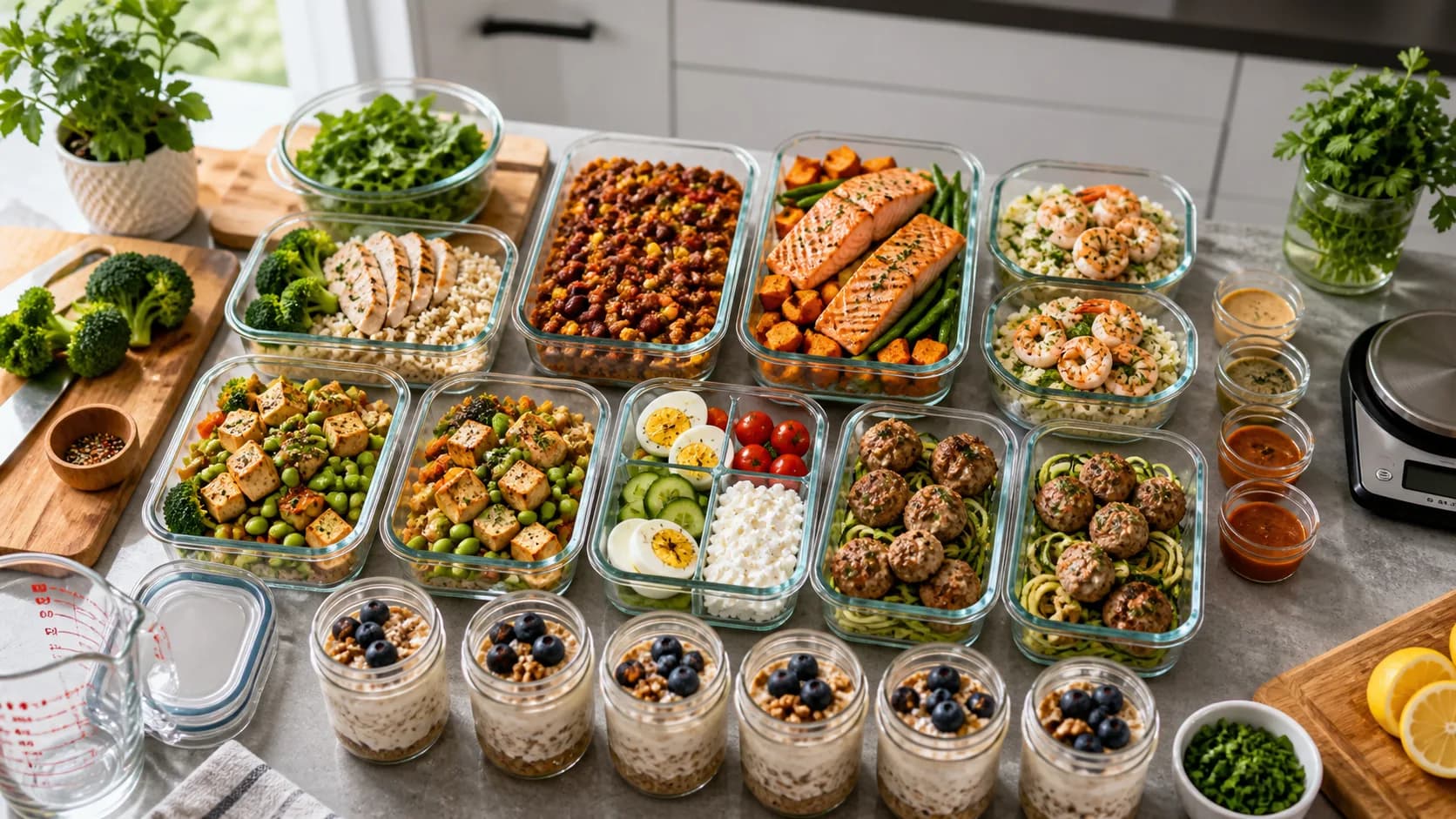
High protein meal prep works best when every container has a clear protein anchor, a realistic storage plan, and a calorie dial you can adjust for the week ahead. This complete guide gives you high protein meal prep recipes for beginners, weight loss, muscle gain, and under 400 calories, plus comparison tables, grocery planning, storage notes, and a batch-cooking workflow you can repeat without cooking 25 separate meals.
Key Takeaways
- A strong high protein meal prep recipe usually gives 30-55 g protein per serving; under-400-calorie prep meals often sit near 30-45 g and muscle-gain prep meals may reach 45-65 g.
- Beginners should prep components first: one or two proteins, one starch, two vegetables, one sauce, and one backup snack.
- For weight loss, keep lean protein steady and measure oil, cheese, nuts, avocado, rice, pasta, tortillas, sauces, and dressings.
- For muscle gain, keep the protein anchor and add planned calories from rice, pasta, potatoes, oats, tortillas, beans, olive oil, avocado, or full-fat dairy.
- Meal prep food safety matters: cool food promptly, store in shallow containers, keep cold foods cold, and freeze portions that will not be eaten soon.
Article Structure
- 1. High Protein Meal Prep Recipes: Comparison Table
- 2. High Protein Meal Prep Recipes for Beginners
- 3. High Protein Meal Prep Recipes for Weight Loss
- 4. High Protein Meal Prep Recipes for Muscle Gain
- 5. High Protein Meal Prep Recipes Under 400 Calories
- 6. Batch Cooking Workflow and Grocery List
- 7. Storage, Reheating, and Food Safety
- 8. Full High Protein Meal Prep Recipes
- 9. Common Meal Prep Mistakes
Use This as Decision Support, Not a Treatment Plan
This page can help organize meals and questions, but it cannot set a personal medical nutrition target. Bring these points to the clinician managing the medication, diabetes care, kidney health, pregnancy planning, or side effects.
- What protein and calorie range fits my medication, weight-loss pace, kidney function, labs, and activity?
- Which symptoms should trigger a medication or clinical check-in rather than another food swap?
- Do I need body-composition monitoring, hydration guidance, constipation support, or referral to a registered dietitian?
High Protein Meal Prep Recipes: Comparison Table
High protein meal prep recipes have to do more than look good on Sunday. A useful prep meal has to reheat well, store safely, taste good on day three, and still match your protein target when the week gets busy. The recipe also needs a clear calorie role: under-400-calorie lunch, balanced dinner, training-day meal, muscle-gain bowl, vegetarian prep, freezer backup, or breakfast jar.
Use this table before cooking. If your goal is weight loss, start with the under-400 and lean bowl options. If your goal is muscle gain, choose higher-calorie bowls and add rice, pasta, potatoes, beans, tortillas, oats, or olive oil deliberately. If you are a beginner, choose recipes with simple ingredients, one pan or one pot, and forgiving reheating.
| Meal prep recipe | Protein | Calories | Prep style | Best use | Storage note |
|---|---|---|---|---|---|
| Chicken Rice Power Bowls | 52 g | 560 | Sheet pan + rice | Beginner, muscle gain, balanced lunch | Store sauce separately. |
| Turkey Bean Chili Containers | 45 g | 500 | One pot | Beginner, freezer prep | Freezes well in single portions. |
| Salmon Sweet Potato Prep Boxes | 42 g | 590 | Tray bake | Dinner prep, omega-3 rich | Best eaten within a shorter window. |
| Shrimp Cauliflower Rice Boxes | 39 g | 330 | Skillet | Weight loss, under 400 calories | Reheat gently and eat earlier in the week. |
| Turkey Zucchini Meatball Boxes | 44 g | 390 | Oven baked | Weight loss, under 400 calories | Freeze extra meatballs. |
| Tofu Edamame Curry Boxes | 38 g | 540 | One pan curry | Vegetarian, plant protein | Store rice separately. |
| Egg Cottage Cheese Breakfast Bento | 35 g | 360 | No reheat | Breakfast prep, under 400 calories | Keep chilled with an ice pack when traveling. |
| Greek Yogurt Overnight Oats Jars | 35 g | 390 | No cook | Breakfast prep, under 400 calories | Make 3-5 jars depending on texture preference. |
| Lean Beef Noodle Prep Bowls | 48 g | 620 | Skillet | Muscle gain, training day | Reheat with a splash of water. |
| Chicken Cottage Cheese Pasta Bake | 55 g | 650 | Bake | Muscle gain, comfort meal | Reheat gently so sauce stays creamy. |
| Tuna White Bean Salad Jars | 40 g | 390 | No cook | Weight loss, under 400 calories | Keep greens and dressing separate. |
| Pork Tenderloin Potato Boxes | 44 g | 470 | Skillet + roast | Lean dinner prep | Slice pork after resting. |
| Paneer Chickpea Curry Boxes | 42 g | 620 | Curry | Vegetarian muscle gain | Use reduced-fat paneer for lower calories. |
| Chicken Fajita Prep Boxes | 52 g | 580 | Skillet | Family prep, muscle gain | Pack tortillas separately. |
| Tempeh Lentil Bolognese Containers | 36 g | 520 | Sauce + pasta | Vegan, high fiber | Sauce improves after a day. |
| Cod Green Bean Potato Boxes | 42 g | 430 | Sheet pan | Light dinner prep | Reduce potato for a sub-400 version. |
Quick answer
The best high protein meal prep recipes start with a 30-55 g protein anchor, then add vegetables, starch, sauce, and fat based on the goal. Beginners should prep chicken bowls, turkey chili, overnight oats, egg bento boxes, or fajita boxes first. Weight-loss prep should use lean proteins and measured calorie-dense extras. Muscle-gain prep should add planned calories from rice, pasta, potatoes, oats, tortillas, beans, oils, or full-fat dairy. Under-400-calorie prep works best with shrimp, tuna, turkey, chicken breast, egg whites, Greek yogurt, tofu, vegetables, and measured starches.
High Protein Meal Prep Recipes for Beginners
High protein meal prep recipes for beginners should be boring in the right way. The first goal is not novelty; it is a full refrigerator of meals you will actually eat. Start with recipes that use familiar ingredients, clear portions, and simple cooking methods. Chicken rice bowls, turkey bean chili, overnight oats, egg cottage cheese bento boxes, and chicken fajita boxes are better first projects than a complicated week of different sauces and timing-sensitive proteins.
The easiest beginner system is component prep. Cook one or two protein anchors, one carbohydrate base, two vegetables, and one sauce. Then combine them differently through the week. For example, baked chicken can become a rice bowl, salad bowl, wrap filling, pasta add-in, or fajita box. Turkey chili can be lunch, dinner, freezer backup, or a topping over potato. Overnight oats can cover breakfast without using the stove again.
| Beginner prep | Why it works | Protein | Calories | Beginner mistake to avoid |
|---|---|---|---|---|
| Chicken Rice Power Bowls | Simple protein, rice, vegetables, sauce | 52 g | 560 | Adding sauce before storage so the bowl gets soggy. |
| Turkey Bean Chili Containers | One pot and freezer friendly | 45 g | 500 | Not portioning before refrigerating. |
| Egg Cottage Cheese Breakfast Bento | No reheat and easy to assemble | 35 g | 360 | Leaving cold foods unrefrigerated. |
| Greek Yogurt Overnight Oats Jars | No cooking and easy to scale | 35 g | 390 | Overfilling jars with toppings and losing calorie control. |
| Chicken Fajita Prep Boxes | One skillet and flexible sides | 52 g | 580 | Packing tortillas with wet filling too early. |
- Best first lunch prep: Chicken Rice Power Bowls.
- Best first dinner prep: Turkey Bean Chili Containers.
- Best first breakfast prep: Greek Yogurt Overnight Oats Jars.
- Best no-reheat prep: Egg Cottage Cheese Breakfast Bento.
- Best family-style prep: Chicken Fajita Prep Boxes.
High Protein Meal Prep Recipes for Weight Loss
High protein meal prep recipes for weight loss should protect protein while controlling the quiet calorie sources that usually sneak into prepared meals. A chicken bowl can be a lean 450-calorie meal or an 850-calorie meal depending on oil, rice, avocado, cheese, nuts, dressing, and sauce. Meal prep helps because you decide those portions once, when you are calm, instead of rebuilding the decision every day when hungry.
Start with lean protein, vegetables, and measured starches. Chicken breast, turkey breast, lean ground turkey, shrimp, tuna, cod, egg whites, low-fat Greek yogurt, low-fat cottage cheese, tofu, and edamame are useful because they make protein easier without forcing calories high. Vegetables such as broccoli, zucchini, cauliflower rice, cabbage, green beans, peppers, mushrooms, cucumber, spinach, and salad greens add volume. Keep rice, pasta, potatoes, tortillas, oil, hummus, pesto, avocado, nuts, cheese, and creamy dressings measured.
| Weight-loss prep recipe | Protein | Calories | Why it helps | Best low-calorie add-on |
|---|---|---|---|---|
| Shrimp Cauliflower Rice Boxes | 39 g | 330 | Shrimp is lean and cauliflower rice creates volume. | Extra zucchini or broth-based soup |
| Turkey Zucchini Meatball Boxes | 44 g | 390 | Lean turkey plus grated zucchini keeps meatballs moist. | Side salad or cucumber |
| Tuna White Bean Salad Jars | 40 g | 390 | Tuna carries protein and beans are measured. | Extra greens, tomato, or cucumber |
| Egg Cottage Cheese Breakfast Bento | 35 g | 360 | Eggs and cottage cheese are filling in a compact box. | Berries or raw vegetables |
| Greek Yogurt Overnight Oats Jars | 35 g | 390 | High-protein dairy with measured oats. | More berries before more granola |
| Cod Green Bean Potato Boxes | 42 g | 430 | Lean fish with measured potatoes. | Reduce potato and add green beans for under 400 |
Do not make every weight-loss container tiny. A meal that is too small can cause grazing later. Keep protein high, add vegetables, and use sharp flavors: salsa, mustard, vinegar, lemon, herbs, hot sauce, pickles, tomato sauce, spices, and Greek yogurt sauces. If you need more food, add low-calorie volume before adding calorie-dense toppings.
High Protein Meal Prep Recipes for Muscle Gain
High protein meal prep recipes for muscle gain need protein and enough total energy. A very lean meal prep plan can be useful during a cut, but it can leave a lifter short on calories and carbohydrates during a gaining phase. Muscle-gain prep should make it easier to eat enough food consistently, not force every container to be as low calorie as possible.
Start with 40-65 g protein per larger meal from chicken, turkey, lean beef, pork tenderloin, salmon, cod, shrimp, eggs, egg whites, tofu, tempeh, paneer, lentils, beans, Greek yogurt, cottage cheese, or protein powder. Then add planned calories from rice, pasta, noodles, potatoes, oats, tortillas, bread, beans, olive oil, avocado, nuts, seeds, pesto, or full-fat dairy. The plan should still be trackable: add calories deliberately, not by guessing.
| Muscle-gain prep recipe | Protein | Calories | Why it works | Easy calorie booster |
|---|---|---|---|---|
| Lean Beef Noodle Prep Bowls | 48 g | 620 | Protein plus noodles for training-day carbohydrates. | Add extra noodles or sesame oil. |
| Chicken Cottage Cheese Pasta Bake | 55 g | 650 | Creamy high-protein pasta reheats well. | Add olive oil or more pasta. |
| Paneer Chickpea Curry Boxes | 42 g | 620 | Vegetarian protein plus beans and sauce. | Add rice, roti, or full-fat yogurt. |
| Chicken Fajita Prep Boxes | 52 g | 580 | Flexible family-style protein and carbs. | Add tortillas, rice, beans, or avocado. |
| Salmon Sweet Potato Prep Boxes | 42 g | 590 | Protein, fats, and carbs in one tray. | Add rice or extra sweet potato. |
| Greek Yogurt Overnight Oats Jars | 35 g | 390 | Easy breakfast base with room to scale. | Add banana, granola, nuts, or milk. |
Muscle-gain meal prep also has to be easy to finish. If dry chicken and plain rice make you stop eating the plan by Wednesday, use saucier meals like chili, curry, pasta bake, fajita bowls, noodle bowls, or bolognese. A slightly higher-calorie meal you finish consistently is more useful than a perfect macro plan you abandon.
High Protein Meal Prep Recipes Under 400 Calories
High protein meal prep recipes under 400 calories are most useful for fat loss, smaller appetites, GLP-1 low-appetite days, or people who want more calories available for dinner. The meal still needs enough protein and volume to feel like real food. The easiest path is a lean protein anchor plus vegetables, a measured starch or bean portion, and a lower-calorie sauce.
The under-400 version usually changes the base and sauce. Cauliflower rice replaces most rice. Zucchini noodles replace pasta. Greek yogurt replaces heavy mayo. Salsa replaces oil-heavy dressing. Egg whites increase protein without much fat. A small portion of beans, oats, potatoes, or rice can still fit, but free-poured oils, large wraps, creamy sauces, cheese-heavy toppings, and nut-heavy garnishes usually cannot.
| Under-400 prep recipe | Protein | Calories | Why it stays under 400 | If you need more volume |
|---|---|---|---|---|
| Shrimp Cauliflower Rice Boxes | 39 g | 330 | Lean seafood and cauliflower rice dominate the container. | Add zucchini, cabbage, or broth. |
| Turkey Zucchini Meatball Boxes | 44 g | 390 | Lean turkey and zucchini replace higher-fat fillers. | Add salad or cucumber. |
| Tuna White Bean Salad Jars | 40 g | 390 | Beans are measured and tuna carries protein. | Add greens, tomato, or cucumber. |
| Egg Cottage Cheese Breakfast Bento | 35 g | 360 | Egg whites and cottage cheese lift protein efficiently. | Add berries or raw vegetables. |
| Greek Yogurt Overnight Oats Jars | 35 g | 390 | Oats and toppings are measured. | Add berries before adding granola. |
| Cod Green Bean Potato Boxes | 42 g | 430 | Not under 400 as written; reduce potato to make a 390-calorie version. | Add green beans or salad. |
Batch Cooking Workflow and Grocery List
A good high protein meal prep week starts with a cooking workflow, not a pile of recipes. Decide which meals need to be cooked, which can be assembled cold, and which should be frozen. Most people do best with two cooked proteins, one no-cook breakfast, one freezer-friendly backup, and one fresh sauce or topping that keeps food from tasting flat.
| Time | Task | Why it matters | Recipes supported |
|---|---|---|---|
| 0-10 min | Start rice, potatoes, oats, or pasta; preheat oven. | Starches take time but need little attention. | Chicken bowls, salmon boxes, pasta bake |
| 10-25 min | Season proteins and load sheet pans. | Chicken, salmon, cod, and meatballs can cook while you prep other items. | Chicken bowls, salmon boxes, turkey meatballs, cod boxes |
| 25-45 min | Simmer chili, curry, or bolognese. | Saucy recipes reheat better and freeze well. | Turkey chili, tofu curry, tempeh bolognese |
| 45-60 min | Assemble cold recipes and jars. | No-cook meals reduce stove pressure. | Overnight oats, egg bento, tuna salad jars |
| 60-80 min | Cool food in shallow containers and portion sauces separately. | Cooling and separation protect safety and texture. | All recipes |
| 80-100 min | Label containers and freeze anything for later in the week. | Labels reduce guesswork and food waste. | Chili, meatballs, curry, bolognese |
| Grocery category | Buy | Meal prep role | Useful swaps |
|---|---|---|---|
| Lean proteins | Chicken breast, turkey, shrimp, cod, tuna, egg whites | Weight-loss and under-400 containers | Turkey breast, tilapia, lean beef, low-fat cottage cheese |
| Higher-calorie proteins | Salmon, lean beef, paneer, whole eggs, pork tenderloin | Muscle gain and dinner prep | Chicken thigh, tempeh, Greek yogurt, full-fat dairy |
| Plant proteins | Tofu, tempeh, edamame, lentils, chickpeas, beans | Vegetarian and vegan meal prep | Seitan, soy mince, black beans, paneer if vegetarian |
| Carb bases | Rice, pasta, potatoes, oats, tortillas, noodles | Training fuel and satiety | Quinoa, farro, bread, sweet potato, cauliflower rice |
| Vegetables | Broccoli, peppers, zucchini, green beans, spinach, cabbage | Volume, fiber, color, micronutrients | Frozen mixed vegetables, salad kits, mushrooms, cucumber |
| Sauces and flavor | Salsa, Greek yogurt, tomato sauce, curry paste, mustard, lemon, herbs | Keeps repeated meals edible | Hot sauce, vinegar, soy sauce, chutney, tahini in measured amounts |
- Cook sauces and proteins with moderate seasoning, then add strong flavors at serving.
- Store crunchy toppings, herbs, salad greens, yogurt sauce, salsa, and tortillas separately.
- Freeze chili, meatballs, curry, bolognese, and some cooked grains if prepping beyond a short refrigerated window.
- Use the food protein chart for substitutions when a protein source is expensive or unavailable.
Storage, Reheating, and Food Safety
Meal prep only works if the food is safe and still pleasant to eat. Cooked foods should be cooled promptly, stored in shallow containers, kept cold, and reheated thoroughly. Texture matters too. Rice can dry out, chicken can become rubbery, fish can smell strong, wraps can get soggy, and salads can wilt. Most of these problems are solved by separating sauces, reheating gently, and freezing portions that will not be eaten soon.
| Food type | Best storage method | Reheat note | Best use |
|---|---|---|---|
| Chicken, turkey, beef, pork | Shallow airtight containers | Reheat with sauce, broth, or a splash of water. | 2-4 day meal prep or freezer portions |
| Fish and shrimp | Airtight containers; eat earlier in the week | Reheat gently or eat chilled if the recipe fits. | 1-3 day prep for best texture |
| Rice, pasta, potatoes, oats | Separate from wet sauces when possible | Add water before reheating rice or pasta. | Batch bases for bowls and breakfast jars |
| Salads and cold jars | Keep greens and dressing separate | Usually eat cold. | Same-day or next-day lunch |
| Chili, curry, bolognese | Single-serving containers | Reheat until steaming hot. | Freezer-friendly batch prep |
| Eggs, yogurt, cottage cheese | Keep chilled and sealed | Usually no reheat; use ice pack when packed. | Breakfast, snacks, bento boxes |
FoodSafety.gov storage charts are useful for checking leftover windows, and USDA food safety guidance is useful for safe cooking temperatures. When in doubt, use a food thermometer, cool food quickly, refrigerate promptly, and freeze anything you will not eat soon. Do not rely on smell alone to decide whether a container is safe.
Full High Protein Meal Prep Recipes
The recipes below are written as one-serving macro estimates so you can scale them to four, five, or six containers. For best tracking, weigh the cooked batch, divide by the number of portions, and log sauces, oils, cheese, toppings, and starches separately when they vary. Pack sauces and delicate toppings separately whenever texture matters.
Chicken Rice Power Bowls
About 560 calories per container. A beginner-friendly bowl with chicken breast, rice, vegetables, salsa, and Greek yogurt sauce.
Ingredients
- 180 g cooked chicken breast
- 200 g cooked rice
- 150 g broccoli and peppers
- 60 g salsa
- 40 g plain Greek yogurt
- Lime, cumin, garlic, and coriander
Method
- 1. Cook rice and spread it on a tray to cool before portioning.
- 2. Season and bake or grill chicken breast, then slice it after resting.
- 3. Steam or roast broccoli and peppers.
- 4. Portion rice, chicken, and vegetables into containers.
- 5. Pack salsa and yogurt sauce separately; reduce rice for weight loss or add beans and avocado for muscle gain.
Turkey Bean Chili Containers
About 500 calories per container. A freezer-friendly one-pot meal with lean turkey, beans, tomato, and chili spices.
Ingredients
- 170 g cooked lean ground turkey per serving
- 120 g cooked black or kidney beans
- 200 g crushed tomatoes
- 100 g peppers and onions
- Chili powder, cumin, smoked paprika, garlic
- Optional Greek yogurt topping
Method
- 1. Brown turkey in a large pot with garlic and spices.
- 2. Add peppers and onions and cook until softened.
- 3. Stir in beans and crushed tomatoes.
- 4. Simmer until thick enough for meal prep containers.
- 5. Cool in shallow containers and freeze portions that will not be eaten within a short refrigerated window.
Salmon Sweet Potato Prep Boxes
About 590 calories per container. A tray-bake prep meal with salmon, sweet potato, green beans, and lemon herbs.
Ingredients
- 180 g salmon fillet per serving
- 250 g sweet potato cubes
- 150 g green beans or broccoli
- 1 tsp olive oil
- Lemon juice, dill, garlic, salt, and pepper
Method
- 1. Roast sweet potato cubes with olive oil and seasoning for 10 minutes.
- 2. Add salmon and green beans to the tray.
- 3. Season salmon with lemon, dill, garlic, salt, and pepper.
- 4. Bake until salmon flakes and vegetables are tender.
- 5. Store fish portions for earlier in the week and reheat gently.
Shrimp Cauliflower Rice Boxes
About 330 calories per container. A lean under-400-calorie skillet meal with shrimp, cauliflower rice, peppers, peas, and lemon.
Ingredients
- 200 g shrimp
- 250 g cauliflower rice
- 80 g peas or edamame
- 100 g bell peppers
- 1 tsp olive oil
- Lemon, garlic, paprika, parsley, and black pepper
Method
- 1. Pat shrimp dry and season with paprika, garlic, and pepper.
- 2. Cook peppers in olive oil, then add cauliflower rice.
- 3. Stir in peas or edamame until hot.
- 4. Add shrimp and cook until opaque.
- 5. Finish with lemon and parsley; add cooked rice if you need a muscle-gain version.
Turkey Zucchini Meatball Boxes
About 390 calories per container. Lean turkey meatballs with zucchini, marinara, and zucchini noodles or salad.
Ingredients
- 180 g lean ground turkey
- 100 g grated zucchini, squeezed dry
- 20 g oats or breadcrumbs
- 150 g marinara sauce
- Zucchini noodles or salad greens
- Italian herbs, garlic, salt, and pepper
Method
- 1. Mix turkey, squeezed zucchini, oats, herbs, garlic, salt, and pepper.
- 2. Shape into meatballs and bake on a lined tray.
- 3. Warm marinara sauce separately.
- 4. Pack meatballs with zucchini noodles or salad greens.
- 5. Freeze extra meatballs and add pasta when calories need to be higher.
Tofu Edamame Curry Boxes
About 540 calories per container. A vegetarian prep curry with tofu, edamame, vegetables, curry paste, and light coconut milk.
Ingredients
- 200 g firm tofu, cubed
- 100 g shelled edamame
- 150 ml light coconut milk
- 200 g mixed vegetables
- 1-2 tbsp curry paste
- Lime, coriander, and optional cooked rice
Method
- 1. Press tofu and brown it in a nonstick pan.
- 2. Add vegetables and curry paste.
- 3. Pour in light coconut milk and simmer until vegetables are tender.
- 4. Stir in edamame for the final few minutes.
- 5. Store curry and rice separately so portions can be scaled for weight loss or muscle gain.
Egg Cottage Cheese Breakfast Bento
About 360 calories per box. A no-reheat breakfast prep with boiled eggs, cottage cheese, vegetables, and fruit.
Ingredients
- 2 hard-boiled eggs
- 180 g low-fat cottage cheese
- 150 g cucumber, tomato, or peppers
- 80 g berries
- Everything seasoning, black pepper, or hot sauce
Method
- 1. Boil eggs, cool quickly, and refrigerate.
- 2. Portion cottage cheese into sealed cups.
- 3. Pack vegetables and berries in separate compartments.
- 4. Season eggs and cottage cheese right before eating.
- 5. Use one whole egg plus egg whites for lower calories or add toast for muscle gain.
Greek Yogurt Overnight Oats Jars
About 390 calories per jar. A no-cook breakfast meal prep with oats, Greek yogurt, protein powder, milk, and berries.
Ingredients
- 45 g rolled oats
- 150 g plain Greek yogurt
- 15 g protein powder
- 120 ml low-fat milk or soy milk
- 100 g berries
- Cinnamon and pinch of salt
Method
- 1. Stir oats, Greek yogurt, protein powder, milk, cinnamon, and salt in a jar.
- 2. Add berries on top or pack them separately.
- 3. Refrigerate at least 4 hours, ideally overnight.
- 4. Stir before eating and add a splash of milk if thick.
- 5. Add banana or granola for muscle gain; keep toppings measured for weight loss.
Lean Beef Noodle Prep Bowls
About 620 calories per bowl. A training-day prep meal with lean beef, noodles, vegetables, soy, ginger, and garlic.
Ingredients
- 180 g lean beef strips
- 150 g cooked noodles
- 200 g broccoli, peppers, and snap peas
- 1 tsp sesame oil
- Soy sauce, ginger, garlic, chili flakes
- Spring onion and lime
Method
- 1. Sear thin beef strips in a hot pan and remove them.
- 2. Cook vegetables with ginger and garlic.
- 3. Add noodles, soy sauce, and chili flakes.
- 4. Return beef to the pan and toss until hot.
- 5. Reheat with a splash of water so noodles do not dry out.
Chicken Cottage Cheese Pasta Bake
About 650 calories per serving. A creamy meal-prep pasta with chicken, blended cottage cheese, spinach, and pasta.
Ingredients
- 160 g cooked chicken breast
- 80 g dry pasta
- 150 g low-fat cottage cheese
- 100 g spinach
- 1 tbsp grated parmesan
- Garlic, black pepper, lemon zest, and pasta water
Method
- 1. Cook pasta and reserve pasta water.
- 2. Blend cottage cheese with garlic, pepper, lemon zest, and pasta water.
- 3. Combine pasta, chicken, spinach, and sauce.
- 4. Bake briefly or portion directly into containers.
- 5. Reheat gently; add extra pasta and olive oil for muscle gain.
Tuna White Bean Salad Jars
About 390 calories per jar. A no-cook under-400 prep with tuna, white beans, greens, cucumber, tomatoes, and lemon mustard dressing.
Ingredients
- 140 g drained tuna in water
- 100 g cooked white beans
- 2 cups greens
- 150 g cucumber and tomatoes
- 1 tsp olive oil
- Lemon juice, mustard, parsley, capers, and pepper
Method
- 1. Drain tuna and beans well.
- 2. Whisk olive oil, lemon juice, mustard, parsley, capers, and pepper.
- 3. Layer beans and tuna in the jar below vegetables.
- 4. Keep greens and dressing separate if storing more than one day.
- 5. Serve cold and add bread or potatoes if calories need to be higher.
Pork Tenderloin Potato Boxes
About 470 calories per container. Lean pork tenderloin with potatoes, cabbage, apple, mustard, and herbs.
Ingredients
- 180 g pork tenderloin medallions
- 150 g cooked baby potatoes
- 150 g cabbage
- 80 g apple slices
- 1 tsp olive oil
- Dijon mustard, broth, thyme, salt, and pepper
Method
- 1. Season pork with salt, pepper, and thyme.
- 2. Sear pork until browned and remove it.
- 3. Cook cabbage and apple in the same pan.
- 4. Add broth and mustard, then return pork until cooked through.
- 5. Rest and slice pork before packing with potatoes and cabbage.
Paneer Chickpea Curry Boxes
About 620 calories per box. A vegetarian muscle-gain prep with paneer, chickpeas, tomato sauce, spinach, and spices.
Ingredients
- 130 g paneer, cubed
- 120 g cooked chickpeas
- 200 g tomato passata
- 100 g spinach
- 50 g Greek yogurt or curd
- Garam masala, cumin, turmeric, ginger, garlic, and chili
Method
- 1. Brown paneer cubes if you want a firmer texture.
- 2. Cook spices, ginger, and garlic, then add tomato.
- 3. Add chickpeas and simmer until thick.
- 4. Fold in paneer, spinach, and yogurt over low heat.
- 5. Serve with rice or roti for muscle gain, or use reduced-fat paneer for lower calories.
Chicken Fajita Prep Boxes
About 580 calories per box. A family-style prep with chicken breast, peppers, onions, beans, tortillas, salsa, and Greek yogurt.
Ingredients
- 190 g chicken breast, sliced
- 200 g peppers and onions
- 2 small corn tortillas
- 80 g black beans
- 50 g Greek yogurt
- Fajita seasoning, lime, salsa, and coriander
Method
- 1. Season chicken with fajita spices and lime.
- 2. Cook chicken strips until browned and cooked through.
- 3. Cook peppers and onions in the same pan.
- 4. Pack beans, chicken, and vegetables together.
- 5. Pack tortillas, salsa, and yogurt separately so they do not make the container soggy.
Tempeh Lentil Bolognese Containers
About 520 calories per container. A vegan prep sauce with tempeh, lentils, tomato, vegetables, and pasta.
Ingredients
- 120 g tempeh, crumbled
- 120 g cooked lentils
- 70 g dry high-protein or whole-grain pasta
- 200 g crushed tomatoes
- 100 g mushrooms, carrot, and onion
- Italian herbs, garlic, balsamic vinegar, and pepper
Method
- 1. Cook pasta and reserve a splash of pasta water.
- 2. Brown crumbled tempeh with vegetables and garlic.
- 3. Add lentils, crushed tomatoes, herbs, and balsamic vinegar.
- 4. Simmer until thick.
- 5. Pack sauce with pasta or keep separate for better texture.
Cod Green Bean Potato Boxes
About 430 calories per box. A light fish prep with cod, baby potatoes, green beans, and Greek yogurt tartar sauce.
Ingredients
- 200 g cod fillet
- 180 g baby potatoes
- 180 g green beans
- 80 g plain Greek yogurt
- Pickles, lemon juice, mustard, and dill
- Salt, pepper, and garlic powder
Method
- 1. Cook baby potatoes until tender.
- 2. Season cod with salt, pepper, garlic, and lemon.
- 3. Bake cod until it flakes easily.
- 4. Steam green beans and mix yogurt with pickles, mustard, lemon, and dill.
- 5. Reduce potatoes for a sub-400-calorie box or add more potato for training days.
Common Meal Prep Mistakes
The first mistake is meal prepping meals that are high protein only on paper. A container with a small amount of chicken, a large amount of rice, and a heavy sauce may not match the target. Decide the protein portion first, then add the base and sauce around it.
The second mistake is ignoring texture. If the food is dry, soggy, or bland by Wednesday, the plan fails even if the macros are correct. Keep sauces separate, add fresh herbs or lemon at serving, reheat with a splash of water, and use saucy recipes like chili, curry, pasta bake, or bolognese when you need better leftovers.
The third mistake is trying to prep too many unique meals. Beginners often cook five recipes, five sauces, and five sides, then burn out. Start with fewer components and more flexible combinations. Once the system is easy, rotate proteins, sauces, and vegetables week by week.
- Do not prep five days of wet wraps; prep filling and wraps separately.
- Do not count raw and cooked weights interchangeably unless your tracker entry matches.
- Do not leave cooked food cooling for hours before refrigeration.
- Do not make every meal low calorie if the goal is muscle gain.
- Do not rely on one protein source every week if boredom makes you abandon the plan.
Common Questions
Related Guides and Tools
Sources reviewed
- USDA FoodData Central - U.S. Department of Agriculture
- Dietary Guidelines for Americans, 2025-2030 - U.S. Department of Agriculture and U.S. Department of Health and Human Services
- Current Dietary Guidelines - Office of Disease Prevention and Health Promotion
- Dietary Reference Intakes summary tables - National Academies Press / NCBI Bookshelf
- International Society of Sports Nutrition Position Stand: protein and exercise - Journal of the International Society of Sports Nutrition
- How to Understand and Use the Nutrition Facts Label - U.S. Food and Drug Administration
- Cold Food Storage Chart - FoodSafety.gov