
Protein for Women: General Planning by Goal and Life Stage
Protein for women is chronically under-discussed and under-consumed. While fitness culture has recently embraced higher protein intake, much of the research and popular advice is framed through a male lens. Women have unique physiological needs that change across the lifespan — from the hormonal fluctuations of the menstrual cycle to the increased demands of pregnancy and breastfeeding to the accelerated muscle and bone loss that accompanies menopause.
This guide covers general protein planning for adult goals, training, menopause, pregnancy, postpartum, breastfeeding, and PCOS. It is not a medical plan; use it to prepare better questions when pregnancy, lactation, hormones, kidney function, medications, or symptoms affect protein advice.
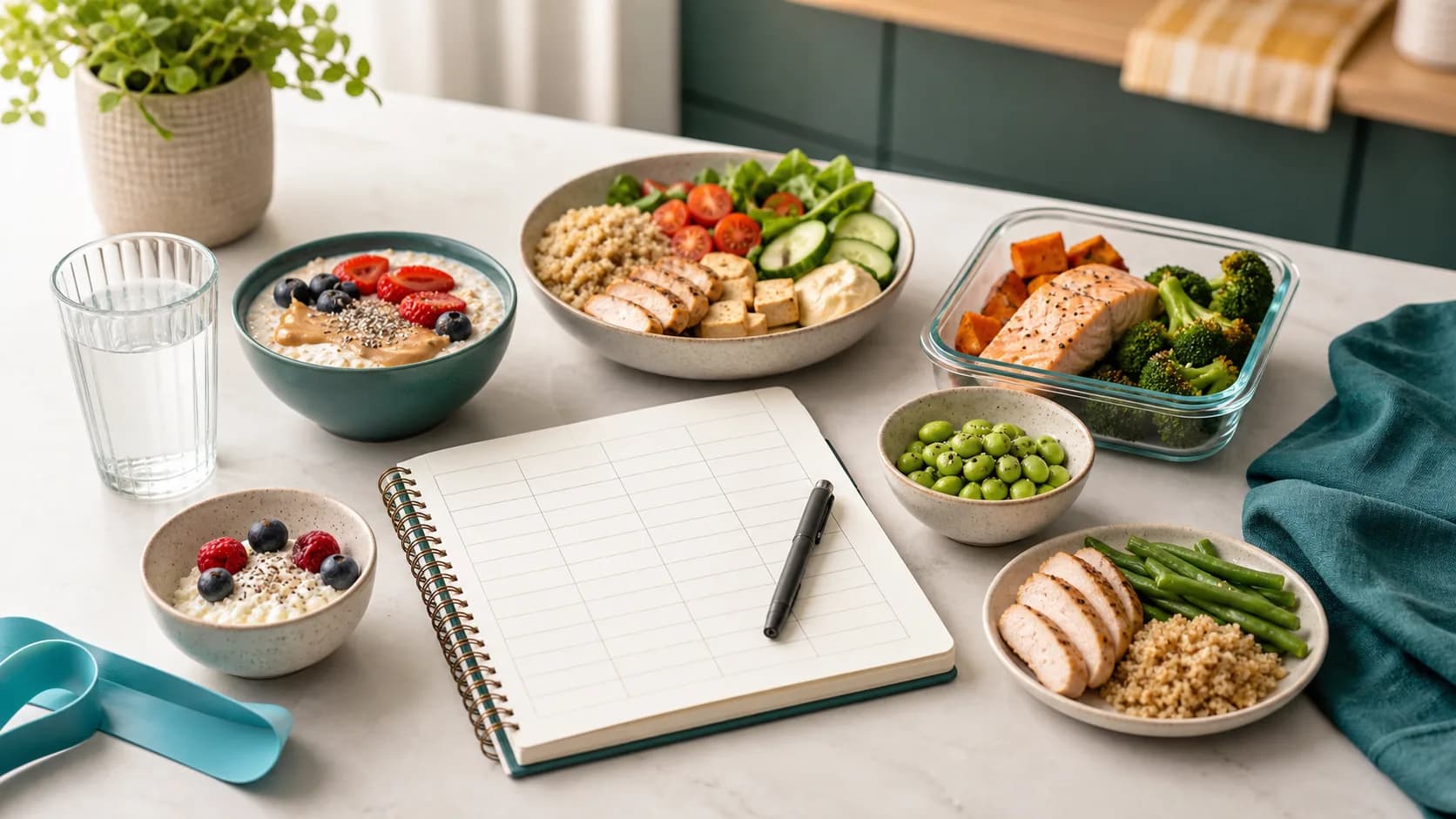
Use the calculator carefully: Use the Women’s Protein Calculator for general adult planning ranges. Pregnancy and breastfeeding selections show a care-team guidance warning instead of a personal target.
What This Guide Covers
1. Why Women Need to Pay Closer Attention to Protein
The Protein Gap in Women’s Diets
Population-level dietary surveys consistently reveal that women consume significantly less protein than men, both in absolute terms and as a percentage of total calories. Data from the National Health and Nutrition Examination Survey (NHANES) shows that the average American woman consumes approximately 65–70 g of protein per day, which for a 65–70 kg woman represents roughly 1.0 g/kg — well below the 1.2–2.0 g/kg range that research shows is optimal for most goals beyond basic survival.
This protein gap has real consequences. Women who eat at or near the RDA of 0.8 g/kg are more likely to experience gradual lean mass loss as they age, slower recovery from exercise, increased hunger and difficulty maintaining a healthy weight, and reduced bone mineral density. These effects are compounded by the hormonal shifts of menopause, which further accelerate muscle and bone loss.
Several factors contribute to this gap. Women tend to eat smaller portions overall, which naturally reduces protein quantity. Cultural messaging has historically discouraged women from eating “heavy” or “masculine” foods like red meat and protein shakes. Many popular diets marketed to women emphasize low calories and high carbohydrate foods (salads, fruit, smoothies) while de-emphasizing protein-rich foods. And the persistent fear that protein or weights will make women “bulky” has discouraged many from prioritizing this crucial macronutrient.
What Protein Does for Women’s Bodies
Body Composition
Preserves lean mass during weight loss, supports a toned physique, and prevents the “skinny fat” pattern. Higher protein combined with resistance training produces the defined look most women want.
Bone Health
Protein makes up approximately 50% of bone volume and one-third of bone mass. Adequate protein supports calcium absorption, stimulates IGF-1 production, and reduces fracture risk — critical as estrogen declines with age.
Satiety & Weight Control
Protein is the most satiating macronutrient. Women who increase protein to 25–30% of total calories report reduced hunger, fewer cravings, less nighttime snacking, and easier adherence to calorie goals.
Hormonal Support
Amino acids from protein are precursors for thyroid hormones, neurotransmitters (serotonin, dopamine), and reproductive hormones. Adequate protein supports menstrual regularity and metabolic function.
Hair, Skin & Nails
Hair is made of keratin, skin contains collagen, and nails require protein for growth. Low protein intake is a common contributor to hair thinning, brittle nails, and premature skin aging.
Immune Function
Antibodies and immune cells are built from amino acids. Insufficient protein weakens immune defense, increasing susceptibility to infections. This is especially relevant during pregnancy and postpartum recovery.
2. The RDA vs. Optimal Protein Intake for Women
Understanding the RDA
The Recommended Dietary Allowance (RDA) for protein is 0.8 g/kg of body weight per day for all adults, regardless of sex. This value was established to prevent deficiency in 97.5% of the population, not to optimize body composition, athletic performance, satiety, or long-term health outcomes. For a 65 kg woman, the RDA translates to just 52 g of protein per day — an amount that many nutrition researchers now consider suboptimal for most goals.
The RDA was derived primarily from nitrogen balance studies conducted in young men, with limited data from women and none from pregnant, lactating, or postmenopausal women. These nitrogen balance studies measure the minimum protein needed to prevent net protein loss from the body, not the amount needed to build or maintain optimal lean mass, support bone health, maximize satiety, or ensure adequate hormone production.
Why “Optimal” Is Higher Than the RDA
Multiple lines of evidence now demonstrate that protein intakes above the RDA provide meaningful benefits for women. Studies using more modern methodologies (the indicator amino acid oxidation technique) suggest that the true minimum requirement is closer to 1.0–1.2 g/kg rather than 0.8 g/kg. When the goal extends beyond mere survival to include body composition, bone health, satiety, and performance, the optimal range rises to 1.2–2.2 g/kg depending on individual factors.
What the Research Actually Says About Women and Protein
A growing body of research specifically examining protein intake in women reinforces the case for higher targets. A 2019 study by Bandegan et al. using the indicator amino acid oxidation (IAAO) technique found that protein requirements for healthy young women were approximately 1.0 g/kg — 25% higher than the current RDA. For active women, the requirement was even higher. Studies on postmenopausal women by the PROT-AGE group recommend 1.0–1.5 g/kg to preserve muscle mass and bone density. Research on pregnant women by Stephens et al. suggests that third-trimester requirements may be as high as 1.5 g/kg using IAAO methodology, which is substantially above the current DRI addition of just 25 g/day.
The consistent message across all these studies is that the current RDA underestimates women’s true protein needs, and that higher intakes provide measurable benefits for body composition, bone health, satiety, and metabolic function. For more details on the science behind protein requirements and the RDA, see our comprehensive guide on How Much Protein Per Day.
3. Protein Ranges by Goal for Women
The optimal protein range for women depends on current goals, activity level, and life stage. Importantly, per-kilogram protein requirements do not differ meaningfully between sexes — women need the same relative amount as men. The absolute numbers are typically lower simply because women tend to weigh less.
| Goal / Situation | Range (g/kg/day) | 55 kg | 65 kg | 80 kg |
|---|---|---|---|---|
| General health (sedentary) | 0.8–1.2 g/kg | 44–66 g | 52–78 g | 64–96 g |
| Weight loss (deficit + training) | 1.6–2.0 g/kg | 88–110 g | 104–130 g | 128–160 g |
| Muscle gain / toning | 1.6–2.2 g/kg | 88–121 g | 104–143 g | 128–176 g |
| Endurance athletes | 1.2–1.6 g/kg | 66–88 g | 78–104 g | 96–128 g |
| Pregnancy (2nd/3rd trimester) | 1.2–1.5 g/kg | 66–83 g | 78–98 g | 96–120 g |
| Breastfeeding | 1.3–1.5 g/kg | 72–83 g | 85–98 g | 104–120 g |
| Menopause & post-menopause | 1.2–1.6 g/kg | 66–88 g | 78–104 g | 96–128 g |
Use our Women’s Protein Calculator for general adult planning ranges. Use care-team guidance for pregnancy, breastfeeding, kidney concerns, PCOS medication context, thyroid disease, or eating disorder history.
4. Protein for Women’s Weight Loss
Why Protein Matters More During a Deficit
When you eat fewer calories than you burn, your body draws on stored energy. Without adequate protein and resistance training, a significant portion of the weight you lose comes from lean muscle tissue rather than fat. This is especially problematic for women, who already have less muscle mass relative to body weight than men and whose metabolic rate is more affected by lean tissue loss.
Higher protein during a deficit provides three powerful advantages: it preserves lean muscle mass (so the weight you lose is predominantly fat), it increases satiety so the deficit feels manageable, and its higher thermic effect means your body burns more calories processing protein than it would processing carbs or fats. Together, these mechanisms make protein the single most important macronutrient for women who want to lose weight sustainably.
Practical Weight Loss Protein Targets for Women
For women in a moderate calorie deficit (300–500 calories below maintenance) who are also doing some form of resistance training, a protein target of 1.6–2.0 g/kg is recommended. For women in a mild deficit without structured training, 1.2–1.4 g/kg provides meaningful muscle protection and improved satiety.
A common challenge for women is fitting adequate protein into a lower calorie budget. A woman targeting 1,400–1,600 calories per day needs to be strategic about food choices. Lean protein sources — chicken breast, white fish, egg whites, non-fat Greek yogurt, and whey protein powder — maximize protein per calorie. Building each meal around a protein anchor (30–40 g) and filling the rest with vegetables and small amounts of healthy fats is an effective framework.
For the complete guide to protein and fat loss, including meal plans, food swaps, and advanced strategies, see our dedicated Protein for Weight Loss guide.
5. Building Lean Muscle as a Woman
The Bulky Myth: Debunked
One of the most persistent myths in women’s fitness is that eating high protein and lifting weights will make you “bulky.” This fear has kept countless women from optimal protein intake and effective training for decades. The physiological reality is straightforward: women produce approximately one-tenth the testosterone of men. Testosterone is the primary anabolic hormone responsible for significant muscle hypertrophy. Without male-level testosterone (or pharmaceutical enhancement), developing large, “bulky” muscles is physiologically extremely difficult for women.
What higher protein and resistance training actually do for women is build a lean, defined, toned physique. They improve metabolic rate (muscle burns more calories at rest than fat), strengthen bones, enhance functional capacity, improve posture, and reduce injury risk. The women you see in professional bodybuilding with extremely muscular physiques have trained with extreme specificity for many years, eat in very large calorie surpluses, and often use anabolic substances. That level of muscularity simply does not happen accidentally.
Protein for Muscle Building in Women
The protein requirements for muscle building are the same for women as for men on a per-kilogram basis: 1.6–2.2 g/kg per day. Research by Morton et al. (2018) included both male and female participants and found that the point of diminishing returns for muscle gain was approximately 1.6 g/kg, regardless of sex. Women who want to build muscle should aim for this range, combined with progressive resistance training 3–5 days per week.
Women may have slightly different muscle-building timelines compared to men due to hormonal differences. While beginners of both sexes experience rapid initial gains (“newbie gains”), the overall rate of muscle gain is typically slower for women — approximately 0.25–0.5 kg of lean mass per month compared to 0.5–1.0 kg for men in the first year. This makes consistency with both protein intake and training even more important for women, as the margin for error is smaller.
For the complete science on protein and muscle growth, including MPS, leucine thresholds, timing, and supplements, see our Protein for Muscle Gain guide.
6. Protein and Female Hormones
Amino Acids as Hormonal Building Blocks
Protein provides the amino acid building blocks for many critical hormones and neurotransmitters. Tryptophan (from protein) is the precursor to serotonin, which regulates mood, sleep, and appetite. Tyrosine is the precursor to dopamine and thyroid hormones (T3, T4). Glycine and proline are essential for collagen production. Without adequate dietary protein, the body cannot produce these signaling molecules optimally.
For women specifically, chronically low protein intake can disrupt the hypothalamic-pituitary-ovarian (HPO) axis, leading to irregular or absent menstrual cycles (amenorrhea), reduced progesterone production, and impaired fertility. This is particularly common in women who combine very low calorie diets with high exercise volumes — a pattern known as Relative Energy Deficiency in Sport (RED-S) or the female athlete triad.
Protein, Thyroid Function, and Metabolic Rate
The thyroid gland requires amino acids (particularly tyrosine and iodine) to produce thyroid hormones, which regulate metabolic rate, body temperature, and energy production. Women are 5–8 times more likely than men to develop thyroid disorders. While protein alone is not a treatment for thyroid disease, ensuring adequate protein intake supports the raw materials needed for thyroid hormone production and may help maintain metabolic rate during dieting.
Protein and PCOS
Polycystic ovary syndrome (PCOS) affects an estimated 8–13% of women of reproductive age and is frequently associated with insulin resistance, weight gain, and difficulty losing weight. Higher protein intake may benefit women with PCOS in several ways: protein improves insulin sensitivity compared to high-carbohydrate diets, it supports weight management through increased satiety and thermic effect, and it helps preserve lean mass during the calorie deficits often recommended for PCOS management.
A reasonable protein target for women with PCOS is 1.4–1.8 g/kg, combined with a moderate reduction in refined carbohydrates and an emphasis on fiber-rich whole foods. This is not a replacement for medical treatment, but a supportive nutritional strategy that can complement other interventions.
7. The Menstrual Cycle and Protein Metabolism
Follicular Phase (Days 1–14)
The follicular phase begins on the first day of menstruation and lasts until ovulation. Estrogen levels rise progressively during this phase, reaching their peak just before ovulation. Research suggests that estrogen has a mild anabolic effect on muscle, meaning that muscle protein synthesis (MPS) response to training and protein intake may be slightly enhanced during the mid-to-late follicular phase. Some coaches recommend scheduling higher-intensity training sessions during this phase to take advantage of the more favorable hormonal environment.
Luteal Phase (Days 15–28)
After ovulation, the luteal phase is characterized by elevated progesterone and a secondary rise in estrogen. Basal metabolic rate increases by approximately 5–10% during this phase (an extra 100–300 calories/day), and protein oxidation (the use of amino acids for energy) also increases slightly. This means that protein needs may be marginally higher during the luteal phase.
Practically, the differences across the cycle are small and do not require dramatically different protein intakes. The most actionable strategy is to keep protein consistent throughout the cycle (at your goal-based target) and, if you experience increased hunger during the luteal phase, accommodate it by adding a protein-rich snack rather than reaching for high-sugar comfort foods. Greek yogurt, cottage cheese, or a protein shake can satisfy the increased appetite without derailing your nutrition plan.
Premenstrual Cravings and Protein
Many women experience increased cravings for carbohydrate-rich and sweet foods in the days leading up to menstruation. This is driven by hormonal fluctuations and changes in serotonin levels. A high-protein approach can help manage these cravings: protein stabilizes blood sugar, provides tryptophan for serotonin production, and increases satiety. Starting the day with a high-protein breakfast (30+ g) during the premenstrual period is particularly effective at reducing sugar cravings and impulsive snacking later in the day.
8. Protein During Pregnancy and Postpartum
Protein Questions by Trimester
First Trimester
Ask whether your usual intake is enough while nausea, food aversions, folate, iron, choline, and medical history are reviewed by your care team.
Second Trimester
Ask whether fetal growth, labs, weight history, nausea, and appetite mean your protein range should change. Avoid setting a personal target from a general article.
Third Trimester
Ask how fetal growth, swelling, blood pressure, glucose screening, appetite, food safety, and postpartum plans should shape your protein range.
Protein Quality During Pregnancy
During pregnancy, the quality and safety of protein sources matter. Ask your care team about low-mercury fish, pasteurized dairy, eggs, poultry, legumes, tofu, and whether any supplement product is appropriate. Avoid mass gainers, stimulant blends, pre-workouts, and multi-ingredient powders unless your clinician has cleared them.
Postpartum and Breastfeeding
Lactation increases nutrition demands, but personal protein guidance depends on milk supply, total calories, fluids, postpartum recovery, infant tolerance, medical history, and weight-change goals.
Many new mothers struggle to eat adequately due to the demands of caring for a newborn, sleep deprivation, and time constraints. Easy, high-protein options that require minimal preparation include: hard-boiled eggs (prepared in advance), Greek yogurt, cottage cheese, string cheese, deli turkey or chicken, protein shakes, and nut butter with whole-grain bread. Having these foods readily available can make a significant difference in meeting protein needs during this challenging period.
If you are trying to lose weight while breastfeeding, discuss rate of loss, milk supply, calories, hydration, and protein with a clinician, midwife, lactation-informed dietitian, or OB-GYN. Aggressive dieting is not recommended while breastfeeding because it can affect supply, recovery, and nutrient intake.
9. Protein During and After Menopause
The Estrogen-Muscle-Bone Connection
The decline in estrogen during perimenopause and menopause has far-reaching effects on body composition. Estrogen has a protective effect on muscle tissue, supporting protein synthesis and reducing muscle protein breakdown. As estrogen levels drop, women experience accelerated loss of lean muscle mass (sarcopenia) and a redistribution of body fat toward the abdominal area. Simultaneously, bone density decreases due to reduced estrogen’s protective effect on bone remodeling.
Research by the European Society for Clinical Nutrition and Metabolism (ESPEN) and the PROT-AGE study group recommends that older adults (including postmenopausal women) consume 1.0–1.5 g/kg of protein per day, with some experts recommending up to 1.6 g/kg for women who are also exercising. This is significantly above the RDA of 0.8 g/kg and reflects the increased protein needs caused by anabolic resistance — the age-related reduction in the muscle’s ability to respond to protein and exercise stimuli.
Key Strategies for Menopausal and Postmenopausal Women
- 1.Increase protein to 1.2–1.6 g/kg: This helps offset anabolic resistance and supports both muscle and bone maintenance. Every meal should contain 30–40 g of protein to overcome the higher stimulation threshold in older muscle.
- 2.Prioritize leucine-rich sources: Older adults need approximately 3–3.5 g of leucine per meal (vs. 2.5 g for younger women) to trigger a full MPS response. Dairy, poultry, eggs, and whey protein are excellent leucine sources.
- 3.Combine with resistance training: Exercise remains the single most powerful stimulus for maintaining muscle and bone. Protein without training is significantly less effective. Aim for 2–4 resistance sessions per week.
- 4.Distribute protein evenly: The common pattern of low-protein meals during the day and a large protein-heavy dinner is particularly counterproductive for older women. Every meal must hit the 30+ g threshold.
- 5.Pair with calcium and vitamin D: These nutrients work synergistically with protein for bone health. Aim for 1,200 mg calcium and 800–1,000 IU vitamin D daily from food and supplements.
- 6.Consider collagen supplementation: While collagen is not effective for MPS (it lacks leucine), emerging research suggests it may support joint, tendon, and skin health. 10–15 g daily with vitamin C is a common protocol.
Learn more with our Senior Protein Calculator.
10. Protein and Bone Health in Women
How Protein Supports Bones
Bone is not the static, inert structure many people imagine. It is a living tissue in constant remodeling, with old bone being broken down (resorption) and new bone being built (formation) throughout life. Protein plays several critical roles in this process: it provides the structural framework of bone (collagen matrix, which is a protein), it stimulates the production of insulin-like growth factor 1 (IGF-1, which promotes bone formation), and it supports calcium absorption and utilization.
For women, bone health is a lifelong concern. Peak bone mass is typically reached in the late 20s to early 30s, and from there, bone density gradually declines. The rate of decline accelerates dramatically during the 5–7 years surrounding menopause due to estrogen loss. Women who arrive at menopause with higher peak bone mass and who maintain adequate protein, calcium, vitamin D, and weight-bearing exercise throughout their lives have significantly lower fracture risk.
The Protein-Calcium Myth
An outdated concern is that high protein intake causes calcium loss from bones through increased urinary calcium excretion. This hypothesis, known as the “acid-ash” hypothesis, suggested that protein creates an acidic metabolic environment that leaches calcium from bones. However, modern research has thoroughly debunked this theory. The increased urinary calcium seen with higher protein intake is due to increased calcium absorption from the gut, not increased bone resorption. In fact, multiple meta-analyses have shown that higher protein intake is associated with better bone mineral density and lower fracture risk.
The key is to consume adequate calcium (1,000–1,200 mg/day) alongside adequate protein. When both are sufficient, they work synergistically to support bone health. It is only in the context of very low calcium intake combined with very high protein that any theoretical concern might arise — and even that scenario is not well-supported by evidence in humans.
11. Best Protein Sources for Women
Top Protein-Rich Foods
| Food | Protein per Serving | Calories | Bonus Nutrients |
|---|---|---|---|
| Chicken breast (120 g) | 37 g | 198 cal | B6, niacin, selenium |
| Salmon (120 g) | 25 g | 236 cal | Omega-3s, vitamin D |
| Greek yogurt, non-fat (200 g) | 20 g | 118 cal | Calcium, probiotics |
| Eggs (2 large) | 12 g | 144 cal | Choline, B12, vitamin D |
| Cottage cheese, low-fat (150 g) | 18 g | 108 cal | Casein protein, calcium |
| Lentils, cooked (200 g) | 18 g | 232 cal | Iron, folate, fiber |
| Tofu, extra firm (150 g) | 26 g | 216 cal | Calcium, iron, isoflavones |
| Whey protein (1 scoop, ~30 g) | 25 g | 120 cal | Leucine-rich, fast-digesting |
Explore hundreds more foods in our Food Protein Charts.
A Note on Soy and Women’s Health
Soy foods (tofu, tempeh, edamame, soy milk) contain phytoestrogens (isoflavones) that have a chemical structure similar to estrogen. This has led to concerns about soy affecting hormone levels. However, extensive research — including meta-analyses and population studies in Asian countries where soy consumption is high — has consistently found no adverse effects of moderate soy intake on breast cancer risk, thyroid function, or reproductive hormones in women.
In fact, soy may offer protective benefits: soy isoflavones have been associated with modest reductions in menopausal hot flashes, improved bone mineral density, and cardiovascular benefits. Soy is also one of the highest-quality plant proteins, with a complete amino acid profile and high digestibility. Including 1–3 servings of whole soy foods per day is considered safe and potentially beneficial for most women.
Protein Supplements for Women: Navigating the Market
Choosing the Right Protein Powder
The protein supplement market is saturated with products marketed specifically to women, often in pastel packaging with lower protein per serving, added collagen, added vitamins, and a premium price. In most cases, these products offer less protein per dollar than standard options. A better approach is to choose a high-quality protein powder based on three criteria: protein per serving (aim for 25+ g), minimal added sugar (<3 g), and a reputable brand with third-party testing.
Whey protein isolate is the gold standard for most women: it provides the highest protein per calorie, has the highest leucine content for triggering muscle protein synthesis, is fast-digesting, and has minimal lactose. For women who are dairy-free, pea protein and soy protein isolate are the best plant-based alternatives, with comparable amino acid profiles and extensive safety data.
Casein protein is a slow-digesting dairy protein ideal for evening use. It provides sustained amino acid release over 6–7 hours, reducing overnight muscle protein breakdown and providing excellent satiety. Cottage cheese is a whole-food alternative rich in casein.
Collagen Protein: Useful but Limited
Collagen supplements have surged in popularity among women for their potential benefits for skin elasticity, joint health, and hair quality. Collagen peptides (hydrolyzed collagen) do appear to have modest benefits for skin hydration and wrinkle reduction in some studies, and may support joint and tendon health when taken with vitamin C before exercise.
However, collagen is not a substitute for regular protein powder. It is an incomplete protein, lacking the essential amino acid tryptophan and containing very little leucine. It does not effectively stimulate muscle protein synthesis. If you take collagen for skin or joint benefits (10–15 g/day), treat it as an additional supplement — do not count it toward your daily protein target for muscle and body composition goals.
Protein for Female Athletes
Female athletes — whether in endurance sports, team sports, strength sports, or CrossFit — have higher protein demands than sedentary women. The ISSN recommends 1.4–2.0 g/kg for exercising individuals, with the upper end appropriate for those in intense training phases or during a calorie deficit for weight class management. Female athletes should also be vigilant about overall energy availability to avoid Relative Energy Deficiency in Sport (RED-S), which can cause menstrual irregularity, bone stress injuries, and impaired performance.
Recovery protein is especially important for female athletes training multiple times per day or performing back-to-back high-intensity sessions. Consuming 20–30 g of protein within 1–2 hours after training, combined with carbohydrates for glycogen replenishment, accelerates recovery and prepares the body for the next session. Pre-sleep protein (30–40 g casein) is also valuable for athletes with high daily training loads to support overnight recovery.
12. Myths About Women and Protein
Myth: “Women will get bulky from eating high protein”
Reality: Women lack the testosterone levels needed for significant muscle hypertrophy. Higher protein with resistance training produces a lean, defined physique — not a bulky one. It would take years of extreme training, massive calorie surpluses, and often pharmaceutical support to develop a “bulky” physique.
Myth: “Protein powder is a steroid or testosterone booster”
Reality: Protein powder (whey, casein, plant-based) is simply a filtered food product, no different from eating chicken or Greek yogurt. It contains no steroids, hormones, or testosterone-boosting compounds. It is safe for women of all ages and life stages.
Myth: “Women only need 50–60 g of protein per day”
Reality: The RDA of 0.8 g/kg is the minimum to prevent deficiency, not the optimal intake. Active women, women in a calorie deficit, pregnant or breastfeeding women, and postmenopausal women all benefit from significantly higher intakes (1.2–2.0+ g/kg).
Myth: “High protein damages kidneys”
Reality: No published study has shown kidney damage from high protein in healthy women. Studies at intakes up to 2.0–4.4 g/kg for periods up to one year found no adverse effects on kidney function. See our Protein Safety guide.
Myth: “Soy protein disrupts female hormones and causes breast cancer”
Reality: Multiple meta-analyses and large population studies have found no link between moderate soy intake and breast cancer risk or hormone disruption in women. Soy isoflavones are not the same as estrogen. Moderate soy consumption (1–3 servings/day) is safe and may offer protective health benefits.
Myth: “Women should eat differently than men for protein”
Reality: Per-kilogram protein recommendations are the same for both sexes. Women need fewer total grams because they weigh less, but the relative amount is identical. Women-specific products marketed with lower protein and added vitamins are often overpriced and less effective than standard options.
13. Common Mistakes Women Make With Protein
Mistake 1: Eating Too Little Protein Out of Fear of Getting Bulky
This is the #1 protein mistake among women. The fear of “getting big” causes many women to avoid protein-rich foods and resistance training, which paradoxically leads to a softer, less toned physique with less metabolic activity. Eating more protein and lifting weights produces the lean, defined look most women desire.
Mistake 2: Relying on Low-Protein “Healthy” Foods
Many foods marketed as “healthy” are actually low in protein: acai bowls, smoothie bowls, salads without a protein source, oatmeal without protein additions, avocado toast alone, and fruit plates. These are fine foods, but they need a protein anchor (eggs, chicken, Greek yogurt, protein powder) to be a complete meal.
Mistake 3: Skipping Breakfast or Having a Carb-Heavy Breakfast
Starting the day with a low-protein meal (cereal, toast with jam, fruit juice) or no breakfast at all sets up a cascade of hunger throughout the day. Research by Leidy et al. found that a breakfast with 30–35 g of protein reduces hunger, cravings, and evening snacking compared to a low-protein or skipped breakfast.
Mistake 4: Buying “Women’s” Protein Products
Products marketed specifically as “protein for women” often contain less protein per serving (15–18 g vs. 25–30 g), added vitamins that are available cheaply in a standard multivitamin, and pink packaging at a premium price. Standard whey or plant protein with 25+ g per serving is more cost-effective and provides more protein per dollar.
Mistake 5: Not Adjusting Protein for Life Stage Changes
Women’s protein needs are not static. They increase during pregnancy, remain elevated during breastfeeding, and rise again after menopause. Many women maintain the same eating habits across decades without adjusting for these changing demands, leading to suboptimal outcomes at critical life stages.
Mistake 6: Drastically Cutting Calories Without Increasing Protein
A very common pattern: a woman decides to “eat healthy” by reducing calories to 1,200–1,400, but the remaining calories are dominated by salads, fruit, and grains with very little protein. This leads to significant muscle loss, metabolic slowdown, and the “skinny fat” appearance. Always increase protein percentage when reducing calories.
Mistake 7: Ignoring Protein After Age 40
Anabolic resistance begins to emerge after 40 and accelerates through menopause. Many women do not increase their protein intake to compensate, leading to accelerated sarcopenia and bone loss. Proactively increasing protein to 1.2–1.6 g/kg after 40 is one of the most protective nutritional strategies available.
14. Advanced Tips for Women
Sync Nutrition With Your Cycle
Consider slightly higher calories and carbs during the luteal phase (when BMR is elevated) and higher training intensity during the follicular phase (when estrogen enhances performance). Keep protein consistent throughout. This is not necessary for results but may improve comfort and adherence.
Use Protein Strategically for Cravings
When premenstrual cravings hit, reach for a high-protein snack before deciding on sweets. Greek yogurt with berries, a protein shake blended with cocoa powder and banana, or cottage cheese with cinnamon can satisfy the craving while supporting your targets. Protein stabilizes blood sugar and provides tryptophan for serotonin production.
Combine Protein With Iron-Rich Foods
Women are at higher risk of iron deficiency due to menstrual blood loss. Animal proteins (red meat, poultry, fish) contain heme iron, which is 2–3 times more bioavailable than non-heme iron from plants. Pairing plant-based iron sources with vitamin C and protein enhances absorption. Consider iron status when choosing protein sources.
Prepare for Menopause Early
Start building your “protein habit” and resistance training practice in your 30s and 40s. Women who enter menopause with higher muscle mass, stronger bones, and established high-protein eating patterns experience less dramatic declines. Prevention is far easier than intervention.
Track for Calibration, Not Obsession
Many women have complicated relationships with food tracking. The goal is not perpetual calorie counting but rather a 1–2 week calibration period to learn what hitting your protein target actually looks like in practice. Once you know which meals reliably deliver 30–40 g of protein, you can stop tracking and eat intuitively from those templates.
15. Your Protein Plan: Step-by-Step
Review a planning range
Use our Women’s Protein Calculator for general adult planning. Pregnancy and breastfeeding selections show a care-team warning instead of a personal recommendation.
Audit your current intake
Track your food for 3 days to see how much protein you actually eat. Most women are surprised to find they are below 1.0 g/kg. Knowing the gap tells you how much to add.
Add a protein anchor to every meal
Each meal should be built around a protein source delivering 25–35 g. Example anchors: chicken breast, fish, eggs + egg whites, Greek yogurt, tofu, lentils, or a protein shake.
Upgrade your breakfast
If your current breakfast is low-protein (cereal, toast, fruit), swap to a high-protein option: eggs, Greek yogurt with granola, a protein shake, or overnight oats made with protein powder and milk.
Add a high-protein snack
Bridge the gap between meals with a protein-rich snack: cottage cheese, string cheese, hard-boiled eggs, a protein bar, Greek yogurt, or turkey slices. This provides an extra 15–25 g per day.
Start or maintain resistance training
Protein without exercise is far less effective for body composition. Aim for 2–4 resistance training sessions per week focusing on compound movements. This is the single best complement to adequate protein for health and aesthetics.
Reassess at life stage changes
Revisit your protein target when you become pregnant, start breastfeeding, enter perimenopause, or change your training goals. Your needs will shift at each transition.
Sample Day: ~120 g Protein (Active Woman, ~1,700 cal)
Sample Day: Plant-Based ~110 g Protein (~1,650 cal)
Find more protein-rich food ideas in our Food Protein Charts.
Recognizing Signs of Insufficient Protein Intake
Many women unknowingly consume insufficient protein for years without realizing that their symptoms are nutrition-related. Recognizing the signs early allows you to make dietary adjustments before long-term consequences develop.
Physical Signs
- • Hair thinning, hair loss, or slow hair growth
- • Brittle, ridged, or peeling nails
- • Skin that looks dull, dry, or ages prematurely
- • Slow wound healing and frequent bruising
- • Loss of muscle tone despite regular exercise
- • Persistent fatigue and low energy levels
Behavioral & Metabolic Signs
- • Constant hunger despite eating adequate calories
- • Strong sugar and carbohydrate cravings
- • Slow recovery from workouts (soreness lasting 3+ days)
- • Frequent colds, infections, or slow immune recovery
- • Mood instability, irritability, or brain fog
- • Difficulty losing weight despite calorie restriction
If you experience several of these signs, the first step is to track your protein intake for one week to see if you are hitting at least 1.0 g/kg per day. Many women discover they are well below this mark, particularly those who eat light breakfasts, snack on carb-heavy foods, or follow restrictive diets. Increasing protein is one of the simplest and most impactful dietary changes you can make.
It is important to note that these symptoms can have other causes beyond protein deficiency, including thyroid dysfunction, iron deficiency, vitamin D deficiency, and chronic stress. If symptoms persist after increasing protein for 4–6 weeks, consult a healthcare provider for a comprehensive evaluation.
16. Conclusion and Next Steps
Protein is not a “men’s supplement” or a shortcut to unwanted bulk. It is a fundamental macronutrient that supports every aspect of women’s health: body composition, bone density, hormonal function, satiety, immune strength, hair, skin, and energy. From your first fitness goal through pregnancy, breastfeeding, and menopause, protein remains a constant pillar of optimal nutrition.
The evidence is clear: most women benefit from eating more protein than the RDA suggests. Whether your target is 1.2 g/kg for general health or 2.0 g/kg for an ambitious fitness goal, the principles are the same: build each meal around a protein anchor, distribute intake evenly across the day, choose high-quality sources, combine with resistance training, and adjust for your current life stage.
Your next steps:
- 1.Review a general planning range using our Women’s Calculator.
- 2.Track your current intake for 3 days to identify the gap.
- 3.Add a protein anchor to every meal, starting with breakfast.
- 4.Begin or maintain a resistance training program (2–4 days/week).
- 5.Use care-team guidance whenever pregnancy, breastfeeding, PCOS, thyroid disease, kidney concerns, medications, or symptoms change the context.
Calculate Your Protein Target
Personalized for your weight, goals, and life stage. Free and instant.
Open the Women’s CalculatorFrequently Asked Questions
Sources and References
- Morton RW, et al. (2018) — A systematic review, meta-analysis and meta-regression of the effect of protein supplementation on resistance training-induced gains in muscle mass and strength. British Journal of Sports Medicine. PubMed 28698222
- Jäger R, et al. (2017) — ISSN Position Stand: Protein and exercise. Journal of the International Society of Sports Nutrition. PubMed 26797090
- Bauer J, et al. (2013) — Evidence-based recommendations for optimal dietary protein intake in older people: a position paper from the PROT-AGE Study Group. Journal of the American Medical Directors Association. PubMed 23867520
- Elango R, et al. (2010) — Evidence that protein requirements have been significantly underestimated. Current Opinion in Clinical Nutrition & Metabolic Care. PubMed 19841581
- Leidy HJ, et al. (2015) — The role of protein in weight loss and maintenance. American Journal of Clinical Nutrition. PubMed 25926512
- Dietary Reference Intakes for Protein — National Academies Press. ncbi.nlm.nih.gov/books/NBK56068/
- WHO (2007) — Protein and amino acid requirements in human nutrition. WHO Technical Report Series 935. WHO TRS 935
- Messina M (2016) — Soy and health update: evaluation of the clinical and epidemiologic literature. Nutrients. PubMed 27886135
Related Guides
Protein for Weight Loss
How higher protein preserves muscle and reduces hunger during a calorie deficit.
Protein for Muscle Gain
The 1.6–2.2 g/kg range for maximizing hypertrophy and strength.
Protein Safety & Kidney Health
Evidence-based review of high protein safety, kidney function, and upper limits.
How Much Protein Per Day?
Complete overview of daily protein needs across all goals and life stages.