
Postpartum
Protein While Breastfeeding: General Nutrition Planning
Breastfeeding increases protein and energy needs because milk production adds a real daily nutrient demand. The goal is not an extreme high-protein diet; it is a steady intake that supports milk production, postpartum recovery, and maternal energy.
Key Takeaways
- The DRI range for lactation is commonly expressed around 1.3 g/kg/day, or about 25 g/day above the non-lactating baseline.
- Calories, fluids, sleep, and feeding frequency matter for milk supply too; protein is only one part of postpartum nutrition.
- Use easy, one-hand foods when appetite and time are limited.
Use the Tool Carefully
Use this guide for context. In medical or medication-related situations, the matching tool is only a planning aid; clinician guidance should set personal ranges.
Use the Pregnancy & Postpartum CalculatorUse This as Decision Support, Not a Treatment Plan
General adult protein ranges may not apply cleanly here. Use the points below to prepare for a clinician, dietitian, pharmacist, or prescribing-clinician conversation rather than treating a range as personal medical guidance.
- What protein, calorie, fluid, iron, iodine, vitamin D, and calcium targets fit my postpartum situation?
- Is my weight-loss pace compatible with milk supply and recovery?
- Are protein powders, supplements, or allergy-related food restrictions appropriate for me and my infant?
Protein Ranges to Discuss by Situation
| Situation | Discussion range | How to use it |
|---|---|---|
| Exclusive breastfeeding | about 1.3 g/kg/day | Common DRI-based discussion range during lactation. |
| Postpartum recovery + training | 1.3-1.6 g/kg/day | May fit active parents returning to exercise. |
| Low appetite or missed meals | 20-35 g per eating occasion | Use snacks or shakes to close gaps. |
| Medical or infant allergy context | individualized | Work with a clinician or lactation dietitian. |
Scenario-Based Recommendations
| Scenario | Recommended approach | How to apply it |
|---|---|---|
| Exclusive breastfeeding | about 1.3 g/kg/day | Common DRI-based discussion range during lactation. |
| Postpartum recovery + training | 1.3-1.6 g/kg/day | May fit active parents returning to exercise. |
| Low appetite or missed meals | 20-35 g per eating occasion | Use snacks or shakes to close gaps. |
| Medical or infant allergy context | individualized | Work with a clinician or lactation dietitian. |
| Low appetite or missed meals | Use smaller protein doses more often | Split protein across breakfast, lunch, dinner, and one easy snack instead of forcing one large meal. |
| Symptoms, medication changes, or medical complexity | Use clinician guidance first | Keep the range conservative until hydration, digestion, medication safety, and medical instructions are clear. |
Nutrition Context
Breastfeeding raises the importance of total energy, fluids, micronutrients, and meal regularity. Protein matters, but aggressive dieting or relying heavily on supplements can backfire if it reduces milk-supportive calories, hydration, or overall dietary variety.
The rows above are best used as ranges, not commands. A useful protein range should make the day easier to structure: enough protein at breakfast, a clear lunch anchor, a dinner that does not have to carry the entire day, and one simple backup snack for busy or low-appetite days. If a range only works on perfect days, it is too fragile for real life.
Protein quality also matters. Animal proteins, dairy proteins, soy foods, and many protein powders tend to provide complete amino acid profiles. Beans, grains, nuts, seeds, and vegetables can still be valuable, but they often need larger portions or complementary foods across the day. That does not make plant-based meals inferior; it means the meal plan needs enough total protein, calories, and variety.
What Changes During Lactation
Milk production adds protein output and increases total nutrient demands. The practical range is usually higher than the standard adult RDA, but it should still be realistic enough to sustain with disrupted sleep and irregular meals.
If you are losing weight quickly, feeling depleted, or struggling with supply, protein should be assessed alongside total calories, hydration, iron, iodine, vitamin D, and feeding support.
How to Build the Day
Use a simple structure: protein at breakfast, protein at lunch, protein at dinner, and one backup snack near the nursing or pumping station.
If dairy is not tolerated, use eggs, poultry, fish low in mercury, tofu, edamame, beans, lentils, nut butter, or a suitable protein powder cleared by your clinician.
Common Mistakes
Most protein mistakes in this topic come from treating a range as a medical instruction. The better approach is to pick a starting range, test whether it is realistic, and adjust based on appetite, symptoms, training, weight trend, and medical guidance.
- Using the highest range immediately instead of choosing the lowest effective range that can be repeated.
- Counting protein grams while ignoring calories, hydration, fiber, symptoms, digestion, and meal timing.
- Letting breakfast or lunch stay low protein, then trying to fix the whole day with a very large dinner.
- Using protein powder as a substitute for medical care, balanced meals, or symptom-specific guidance.
- Changing supplements, calories, training, and protein range all at once, which makes it hard to identify what helped or caused problems.
How to Put This Into a Day of Eating
Build the day around anchors
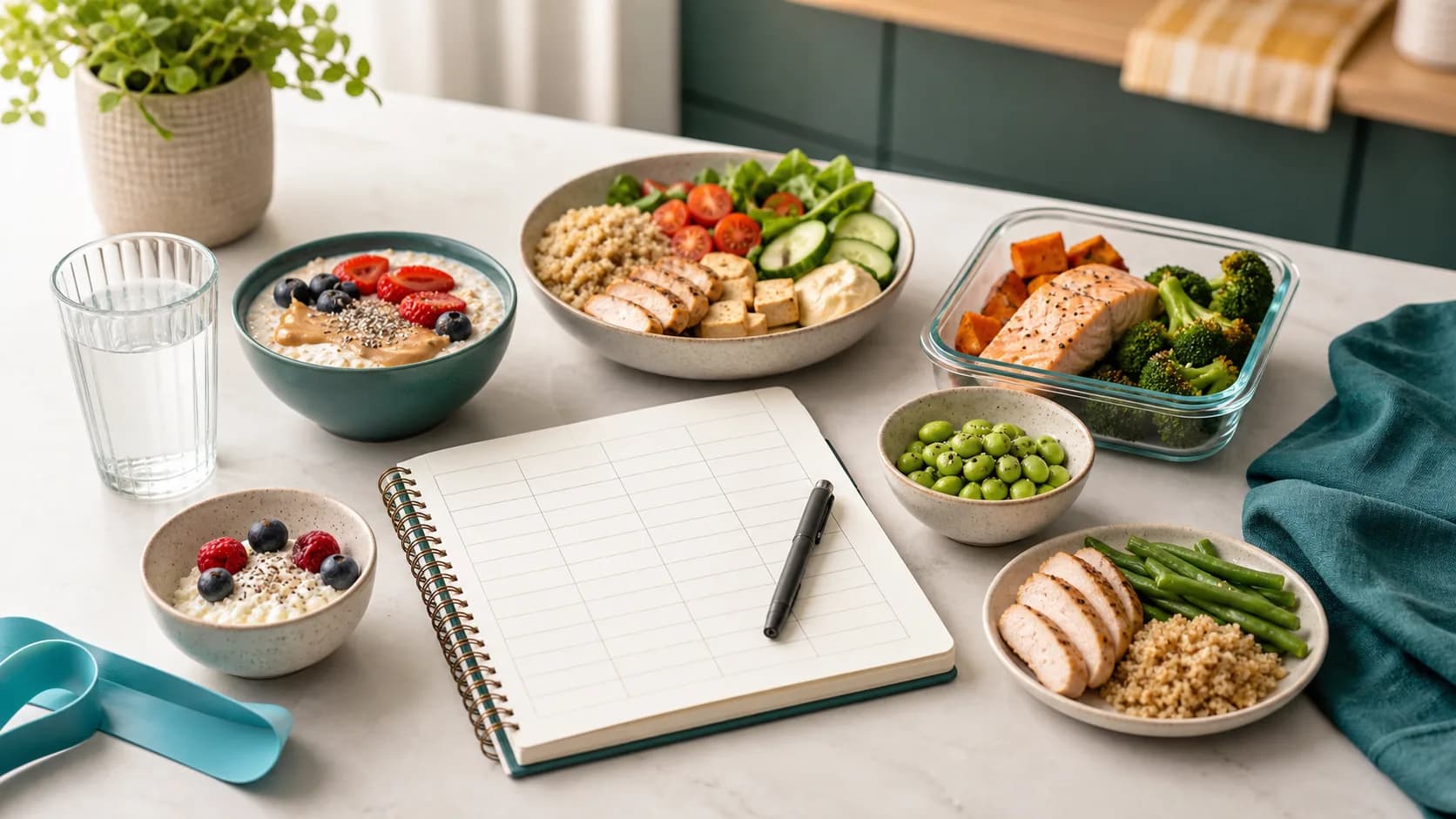
Choose two or three protein anchors you can repeat: a breakfast option, a lunch or dinner option, and a backup snack. The food ideas below are useful because they reduce decision fatigue and keep the range from depending on one huge meal.
Adjust texture and meal size
If appetite is low, use softer, smaller, or liquid options. If hunger is high, use higher-volume meals with vegetables, fruit, potatoes, beans, oats, or whole grains. The protein range should fit the person eating the meal, not force the same plate every day.
Review weekly
Review the plan after a week. If the range was easy and symptoms are stable, keep it. If meals felt forced, digestion worsened, or training energy dropped, lower the range temporarily or change food choices before assuming more protein is always better.
Monitoring and Adjustment Checklist
Treat the protein range as a starting point, then watch whether it is helping the full day work better. A good range should improve meal structure, reduce missed protein opportunities, and support the goal without making symptoms, stress, digestion, or food anxiety worse. If the plan only works with perfect appetite, perfect meal prep, or daily supplements, it needs a simpler backup.
Review the same signals each week: how many days you reached the range, which meal was hardest, whether breakfast or lunch stayed too low, whether fluids and fiber were adequate, and whether energy, training, strength, or daily function changed. In medical contexts, also watch symptoms closely. New dizziness, dehydration, vomiting, constipation, swallowing trouble, unexpected weight loss, blood-sugar changes, or medication side effects are not problems to solve with more protein alone.
Keep one simple fallback meal available for hard days. That might be yogurt, eggs, tofu, lentils, tuna, cottage cheese, a smoothie, or a ready-to-drink option depending on the person and the medical context. A fallback meal is not perfect nutrition; it is a safety net that prevents the day from becoming protein-free when appetite, symptoms, travel, or caregiving demands interrupt the normal plan.
- Keep the range if it is repeatable, meals feel manageable, and symptoms are stable.
- Lower the range temporarily if appetite, digestion, hydration, or total calories are suffering.
- Change the meal format before abandoning the goal: softer foods, smaller portions, liquid options, or an extra snack can be easier than forcing large meals.
- Contact a clinician when symptoms, medication changes, pregnancy or lactation, kidney disease, diabetes, or unintended weight loss make generic ranges unsafe to apply on your own.
Breastfeeding-Friendly Protein Ideas
Greek yogurt or soy yogurt bowl with oats and berries.
Egg salad, tuna salad, or hummus wrap prepared ahead.
Lentil soup, chili, or dal that reheats quickly.
Trail mix plus a protein shake for a no-cook backup.
Use This Guide With
When to Contact a Clinician
- Rapid postpartum weight loss, low intake, dizziness, or concern about milk supply.
- Infant allergy concerns, medication changes, kidney disease, diabetes, or a history of eating disorders.
- Using protein powders or supplements daily while nursing, especially with allergies or medical conditions.
Sources reviewed
- Macronutrient requirements during pregnancy and lactation - NCBI Bookshelf
- Breastfeeding nutrition: Tips for moms - Mayo Clinic
- Dietary Reference Intakes summary tables - National Academies Press