
GLP-1 FAQ
GLP-1 Protein FAQ: Low Appetite, Shakes, Meals, Muscle, and Safety
Use this FAQ when appetite is lower on GLP-1 medication and you need practical, safety-first answers about protein targets, small meals, shakes, and warning signs.
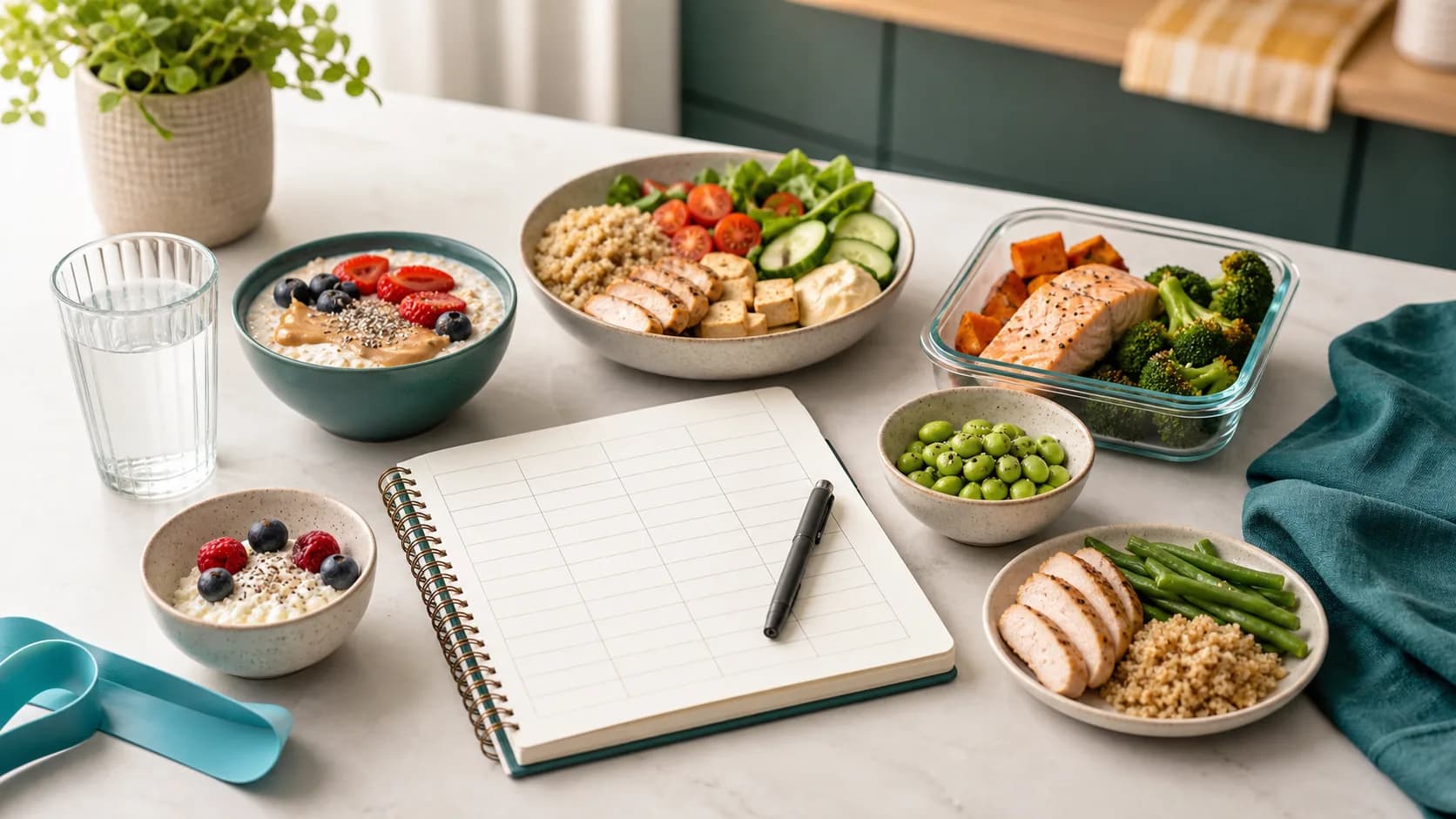
What This FAQ Covers
Answers to GLP-1 protein questions about low appetite, nausea, shakes, meal timing, lean mass, constipation, and when to contact a clinician.
Medical and Life-Stage Caution
GLP-1 medication users should not use generic internet targets to manage persistent vomiting, dehydration, severe constipation, diabetes medication changes, kidney disease, pancreatitis or gallbladder symptoms, eating disorder history, or very low intake.
GLP-1 Protein Basics
Start here if appetite suppression has made your normal meals harder to finish.
Do GLP-1 users need more protein?+
GLP-1 users often need more protein planning, not an extreme target. Lower appetite can make protein, fluids, fiber, and calories harder to reach, so the first goal is a realistic daily structure.
How much protein should I eat on a GLP-1?+
Many educational plans discuss a moderate-to-high protein range during weight loss, but your target should account for body size, kidney function, diabetes medication plan, symptoms, and clinician advice.
Should I use current weight or goal weight?+
Current, adjusted, or goal weight can all be reasonable depending on body size and clinical context. Use the GLP-1 calculator for education, then follow clinician guidance if it differs.
Why is protein harder on GLP-1 medication?+
Early fullness, nausea, constipation, reflux, food aversions, and smaller meals can reduce total intake. Even high-quality meals can miss protein if portions become very small.
Can protein prevent all muscle loss during GLP-1 weight loss?+
No. Protein can support lean mass, but resistance training, enough total calories, sleep, and medical monitoring also matter. Some lean mass change can still occur during weight loss.
Shakes and Small Meals
Liquid or soft options can help, but they need a clear job in the day.
Are protein shakes good on GLP-1s?+
They can help when solid food is difficult or a meal is missed. Choose shakes that are not overly large, greasy, or high in added sugar if those worsen symptoms.
What should a GLP-1 protein shake include?+
A simple shake can use whey, soy, or pea protein with water, milk, or soy milk. Add fruit, oats, or nut butter only if the extra volume and calories fit your appetite and plan.
Should I drink a shake before or after meals?+
Use the shake where the day has the largest protein gap. Some users do better with a small shake between meals instead of trying to drink it after they are already full.
Are meal replacement shakes better than protein shakes?+
Meal replacements can help when total intake is very low, but they should be chosen carefully and discussed with a clinician if intake problems persist.
Can I split one shake into two servings?+
Yes. Splitting a shake can reduce volume, nausea, or fullness while still helping protein intake across the day.
Symptoms and Tolerance
Protein planning should not worsen hydration, digestion, or medication-related symptoms.
What if protein makes nausea worse?+
Use smaller portions, softer foods, lower-fat options, and slower eating. If nausea is persistent or intake is very low, contact the clinician managing the medication.
Can high protein worsen constipation on GLP-1 medication?+
It can if protein rises while fluids, fiber, and total food volume fall. Discuss constipation, hydration, and fiber strategy with your clinician, especially if symptoms are severe.
What protein foods are easier with low appetite?+
Greek yogurt, cottage cheese, skyr, eggs, tofu, tuna, fish, chicken soup, lentil soup, soy milk, and thin shakes are often easier than large dense meals.
Should I avoid high-fat protein meals?+
High-fat meals can be harder to tolerate for some users. Leaner proteins, soups, yogurt, eggs, tofu, and measured fats may be easier during dose changes.
When should I contact a clinician?+
Contact a clinician for persistent vomiting, dehydration, severe constipation, severe abdominal pain, dizziness, inability to keep food down, or repeated days of very low intake.
Diabetes, Kidney, and Medication Context
GLP-1 protein planning becomes more personal when labs or medications are involved.
Can I use a generic protein target with kidney disease?+
No. Kidney disease targets depend on labs, diagnosis, dialysis status, diabetes, medications, and care plan. Use renal clinician or dietitian guidance.
Does diabetes change GLP-1 protein planning?+
It can. Protein choices, meal timing, carbohydrate intake, and medication changes should fit the diabetes care plan, especially if appetite or glucose patterns change.
Should I change my GLP-1 dose because I cannot hit protein?+
Do not change medication dose without your prescriber. If intake is too low, symptoms are persistent, or hydration is difficult, contact the prescribing clinician.
Are protein powders safe with GLP-1 medication?+
Many people can use protein powder, but ingredients, allergens, kidney context, diabetes plan, and supplement quality matter. Use it as a food tool, not medical treatment.
Can GLP-1 users follow very low-calorie diets?+
Very low-calorie dieting needs medical supervision. GLP-1 appetite suppression can already reduce intake, so aggressive restriction can increase nutrition risk.
Tools and Next Steps
Use these answers to choose the right next page or tool.
Which calculator should GLP-1 users use?+
Start with the GLP-1 protein calculator for education. Use the advanced calculator if body-fat context, meal splits, or health flags are important.
Which guide should I read after this FAQ?+
Read the GLP-1 protein guide for food structure, the GLP-1 meal plan for small meals, and the protein shakes on GLP-1 guide if liquids are your easiest option.
How do I know if my GLP-1 protein plan is working?+
Track whether you can repeat meals, stay hydrated, manage digestion, maintain strength, and avoid repeated very-low-intake days. Review concerns with your care team.
Should I prioritize protein or vegetables first?+
When fullness arrives quickly, many users start with protein, then add vegetables, fruit, or starch as tolerated. Do not let fiber and fluids disappear.
Can I use this FAQ instead of medical advice?+
No. This FAQ is education. GLP-1 medication, diabetes care, kidney function, severe symptoms, and prescribed diets need clinician guidance.
Sources reviewed
- DailyMed Wegovy prescribing information - U.S. National Library of Medicine
- A systematic review of the effect of semaglutide on lean mass - PubMed
- International Society of Sports Nutrition Position Stand: protein and exercise - Journal of the International Society of Sports Nutrition
- How to Understand and Use the Nutrition Facts Label - U.S. Food and Drug Administration