
Recipe guide
Protein Ice Cream Recipe: Creamy 30g+ Guide
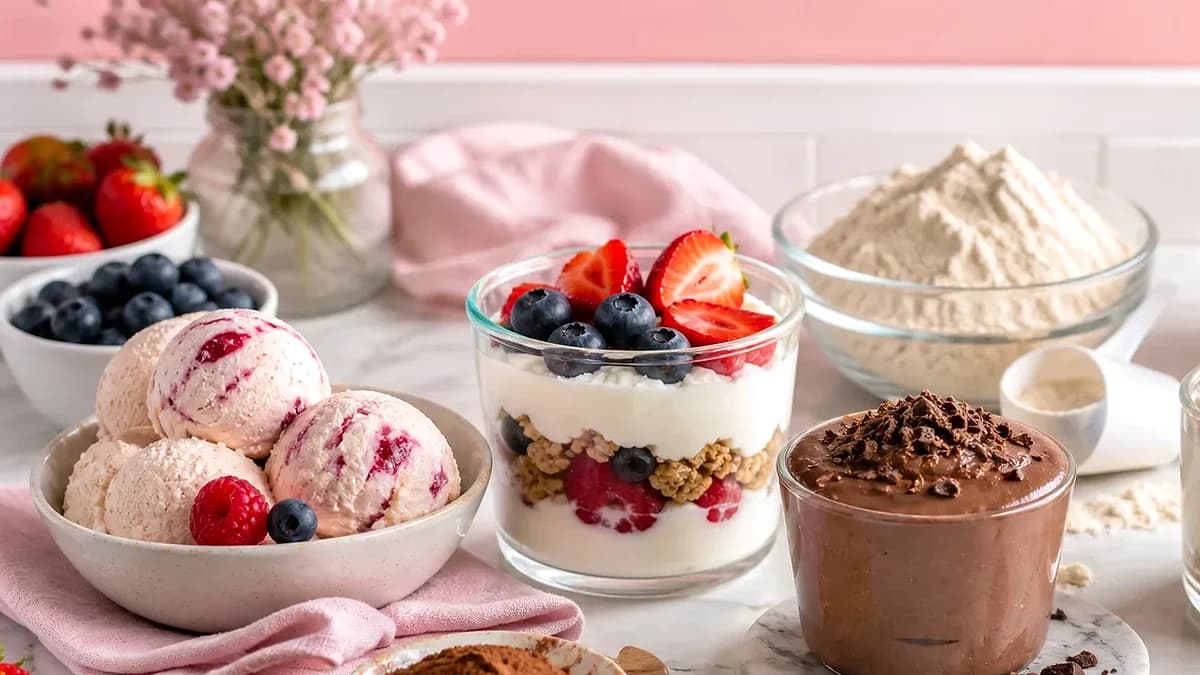
A protein ice cream recipe sounds simple until the first batch freezes into a hard, icy block. The problem is usually not the idea of high-protein ice cream; it is the formula. Protein powder plus water is not ice cream. A creamy protein ice cream recipe needs a protein anchor, enough liquid solids, controlled sweetness, a texture helper, the right freezing method, and toppings that match the goal. This complete guide covers protein ice cream recipe basics, protein ice cream recipe for beginners, protein ice cream recipe for weight loss, protein ice cream recipe for muscle gain, and protein ice cream recipe under 400 calories. You will get recipe comparison tables, protein and calorie estimates, blender and pint-processor methods, ingredient data, storage guidance, troubleshooting, visual summaries, FAQs, and recipe cards for frozen desserts that taste intentional instead of chalky or icy.
Key Takeaways
- A good protein ice cream recipe needs protein plus creaminess: milk, soy milk, Greek yogurt, skyr, blended cottage cheese, banana, or a small stabilizer usually works better than powder and water.
- Protein ice cream recipe for beginners should start with a vanilla or chocolate base, moderate protein powder, enough liquid, and a forgiving texture helper such as Greek yogurt, cottage cheese, banana, or pudding mix.
- Protein ice cream recipe for weight loss should keep protein high while measuring nut butter, chocolate chips, cereal, granola, syrups, cookie crumbs, and oversized servings.
- Protein ice cream recipe for muscle gain can use higher-calorie ingredients such as whole milk, banana, oats, cereal, peanut butter, dates, granola, or a larger serving while still keeping powder moderate.
- Protein ice cream recipe under 400 calories is easiest with nonfat Greek yogurt, low-fat cottage cheese, whey or casein, unsweetened cocoa, berries, almond milk, soy milk, and measured toppings.
Article Structure
- 1. What Is a Protein Ice Cream Recipe?
- 2. Protein Ice Cream Recipe Comparison Table
- 3. Protein Ice Cream Recipe for Beginners
- 4. Protein Ice Cream Recipe for Weight Loss
- 5. Protein Ice Cream Recipe for Muscle Gain
- 6. Protein Ice Cream Recipe Under 400 Calories
- 7. Full Protein Ice Cream Recipes
- 8. Ingredient, Stabilizer, and Equipment Data
- 9. Storage, Serving, and Troubleshooting
- 10. Store-Bought Protein Ice Cream and Label Checks
Use This as Decision Support, Not a Treatment Plan
This page can help organize meals and questions, but it cannot set a personal medical nutrition target. Bring these points to the clinician managing the medication, diabetes care, kidney health, pregnancy planning, or side effects.
- What protein and calorie range fits my medication, weight-loss pace, kidney function, labs, and activity?
- Which symptoms should trigger a medication or clinical check-in rather than another food swap?
- Do I need body-composition monitoring, hydration guidance, constipation support, or referral to a registered dietitian?
What Is a Protein Ice Cream Recipe?
A protein ice cream recipe is a frozen dessert formula built around a meaningful protein source instead of relying mostly on cream, sugar, and air. The protein can come from whey, casein, milk, Greek yogurt, skyr, cottage cheese, soy milk, soy yogurt, silken tofu, pea protein, soy protein, or a blend of those ingredients. The goal is not to make a frozen protein shake. The goal is a spoonable dessert that gives enough protein to help with a daily target while still tasting like ice cream.
Most homemade protein ice cream fails for one of four reasons. The base has too much water, too little dissolved solids, too much powder, or not enough fat, sugar, fiber, fruit, or stabilizer to interrupt large ice crystals. Regular ice cream gets creaminess from fat, sugar, emulsifiers, churning, and air. A high-protein version often removes fat and sugar, then adds protein powder, which absorbs water and can taste chalky. That is why a protein ice cream recipe needs balance, not just more protein.
A useful serving usually lands around 25-40 g protein. A protein ice cream recipe under 400 calories may be a full bowl with 30 g protein, berries, and a small topping. A protein ice cream recipe for muscle gain may be 500-700 calories after whole milk, banana, cereal, peanut butter, or granola. Both can be good recipes. The right one depends on whether the dessert is replacing a snack, closing a protein gap, supporting a calorie deficit, or helping a lifter eat enough total energy.
Creamy protein anchors
Greek yogurt, skyr, blended cottage cheese, milk, soy milk, whey, casein, and soy protein make the strongest high-protein bases.
Texture helpers
Banana, pudding mix, xanthan gum, guar gum, cottage cheese, yogurt, cocoa, nut butter, and a small amount of sugar can reduce iciness.
Best methods
A pint-style frozen dessert processor gives the smoothest texture, but a blender plus freeze-stir method can work for softer same-day bowls.
Main calorie dials
Control or increase calories with milk choice, yogurt fat level, banana, cereal, granola, nut butter, chocolate chips, cookie crumbs, and serving size.
Protein Ice Cream Recipe Comparison Table
Use this table before choosing a base. Protein and calories are estimates for one serving. They change with powder brand, scoop size, milk label, yogurt fat level, fruit amount, sweetener, toppings, and whether you eat half the pint or the full pint. The method column matters because some recipes are designed for a frozen pint processor, while others can work as a soft-serve blender bowl.
| Protein ice cream recipe | Protein | Calories | Best for | Method | Texture note |
|---|---|---|---|---|---|
| Vanilla Greek Yogurt Protein Ice Cream | 32 g | 330 | Beginner, under 400 | Frozen pint or blender bowl | Tangy, creamy, reliable. |
| Chocolate Cottage Cheese Protein Ice Cream | 35 g | 360 | Beginner, weight loss | Frozen pint | Very creamy when blended smooth. |
| Strawberry Cheesecake Protein Ice Cream | 34 g | 320 | Under 400, dessert craving | Frozen pint | Fruit keeps it bright and scoopable. |
| Casein Pudding Protein Ice Cream | 34 g | 290 | Weight loss, late dessert | Frozen pint | Thick and dense; needs enough liquid. |
| Vegan Chocolate Soy Protein Ice Cream | 30 g | 340 | Dairy-free, under 400 | Frozen pint | Smooth if soy milk and tofu are blended. |
| Coffee Mocha Protein Ice Cream | 33 g | 300 | Coffee flavor | Frozen pint | Cocoa and coffee hide powder taste. |
| Berry Skyr Protein Ice Cream | 38 g | 330 | High protein, under 400 | Frozen pint | Tart and thick. |
| Mint Chocolate Chip Protein Ice Cream | 31 g | 350 | Dessert-style | Frozen pint | Needs measured chips. |
| Low-Carb Vanilla Almond Protein Ice Cream | 32 g | 370 | Lower carb, under 400 | Frozen pint | Can be firmer; soften before serving. |
| Cookies and Cream Protein Ice Cream | 36 g | 390 | Under 400 treat | Frozen pint | Cookie crumbs should be mixed in after processing. |
| Mango Lassi Protein Ice Cream | 30 g | 360 | Fruit dessert | Frozen pint or blender bowl | Mango and yogurt create natural body. |
| Banana Peanut Butter Muscle-Gain Ice Cream | 42 g | 590 | Muscle gain | Blender bowl or frozen pint | Creamy, higher calorie, very filling. |
Quick answer
The easiest protein ice cream recipe uses milk or soy milk, Greek yogurt or blended cottage cheese, one scoop of protein powder, vanilla or cocoa, a pinch of salt, sweetener to taste, and a small texture helper such as banana, pudding mix, or xanthan gum. Freeze the base, process until creamy, then add measured toppings.
Protein Ice Cream Recipe for Beginners
Protein ice cream recipe for beginners should be boring in the best way: vanilla, chocolate, strawberry, or coffee. Those flavors are easy to fix if the base tastes too tangy, too sweet, or too powdery. A beginner should avoid starting with three powders, multiple gums, complicated mix-ins, and very low-calorie liquids. The first goal is to learn what a creamy base feels like before freezing. It should taste slightly sweeter than you want the final ice cream to taste because cold temperature dulls sweetness.
The most forgiving beginner formula is 180-240 ml milk or soy milk, 120-170 g Greek yogurt or blended cottage cheese, one scoop protein powder, flavoring, salt, and one texture helper. If you use cottage cheese, blend until there are no curds. If you use casein, add liquid slowly because it thickens strongly. If you use whey, pair it with yogurt or cottage cheese so the base does not become thin and icy. Freeze the base flat in a pint container if using a processor, or freeze it in a shallow dish and stir during freezing for a blender method.
A beginner also needs patience. A base that freezes solid can still become creamy after sitting for 10-15 minutes or after being processed with one or two tablespoons of milk. If the first pass looks crumbly, that does not mean the recipe failed. Add a small splash of liquid and process again. If using a blender, let frozen cubes soften slightly before blending so the motor can pull the mixture into a thick soft serve.
| Beginner base | Protein | Calories | Why it works | Beginner tip |
|---|---|---|---|---|
| Vanilla Greek Yogurt Protein Ice Cream | 32 g | 330 | Simple dairy base with familiar flavor. | Use vanilla, salt, and enough sweetener. |
| Chocolate Cottage Cheese Protein Ice Cream | 35 g | 360 | Cottage cheese adds body and creaminess. | Blend until completely smooth before freezing. |
| Strawberry Cheesecake Protein Ice Cream | 34 g | 320 | Fruit and yogurt balance tanginess. | Use strawberries for flavor before adding cookie crumbs. |
| Coffee Mocha Protein Ice Cream | 33 g | 300 | Coffee and cocoa hide powder notes. | Use decaf if eating late. |
| Mango Lassi Protein Ice Cream | 30 g | 360 | Mango gives natural sweetness and texture. | Use thick yogurt and ripe mango. |
| Cookies and Cream Protein Ice Cream | 36 g | 390 | Feels like real dessert while still controlled. | Add cookie pieces after processing, not before. |
- Taste the base before freezing; cold food tastes less sweet.
- Blend dairy bases until completely smooth, especially cottage cheese.
- Avoid powder plus water as a first recipe because it freezes icy.
- Freeze in a container your processor can handle, or freeze in cubes for a blender method.
- If the first process is crumbly, add one or two tablespoons of milk and process again.
Protein Ice Cream Recipe for Weight Loss
Protein ice cream recipe for weight loss should act like a planned dessert or snack, not a free extra because it has protein. A 300-calorie bowl with 30 g protein can be useful if it replaces a 600-calorie dessert or helps you hit protein without grazing. The same recipe can slow fat loss if it gets added on top of your usual intake every night. The nutrition role matters more than the health halo.
The best weight-loss bases use high-protein, lower-calorie ingredients: nonfat Greek yogurt, skyr, low-fat cottage cheese, whey isolate, casein, soy milk, berries, unsweetened cocoa, vanilla, cinnamon, and small amounts of stabilizer. Almond milk can lower calories, but it has very few solids and can make the base icier unless paired with yogurt, cottage cheese, casein, banana, or pudding mix. Water is the hardest liquid to make creamy.
Toppings are the usual calorie leak. Nut butter, chocolate chips, cookie crumbs, cereal, granola, syrups, nuts, coconut, and whipped toppings can all fit, but they need to be measured when the goal is weight loss. A protein ice cream recipe for weight loss can still include five grams of chocolate chips or one crushed cookie if that makes the bowl satisfying. The problem is adding three or four calorie-dense toppings without counting them.
| Weight-loss version | Protein | Calories | Why it helps | Calorie control move |
|---|---|---|---|---|
| Casein Pudding Protein Ice Cream | 34 g | 290 | Thick texture for modest calories. | Use cocoa and salt before adding chips. |
| Coffee Mocha Protein Ice Cream | 33 g | 300 | Strong flavor with low calorie add-ins. | Skip late caffeine or use decaf. |
| Strawberry Cheesecake Protein Ice Cream | 34 g | 320 | Fruit volume plus Greek yogurt protein. | Measure any graham cracker topping. |
| Berry Skyr Protein Ice Cream | 38 g | 330 | Very high protein-to-calorie ratio. | Use berries instead of syrup. |
| Chocolate Cottage Cheese Protein Ice Cream | 35 g | 360 | Creamy and filling. | Use low-fat cottage cheese. |
| Cookies and Cream Protein Ice Cream | 36 g | 390 | Treat flavor under 400 calories. | Use one measured cookie, not a handful. |
Weight-loss rule
Build the base first, then choose one concentrated topping. If you add nut butter, cereal, cookie crumbs, chocolate chips, and syrup together, the bowl may still be high protein, but it is no longer a low-calorie dessert.
Protein Ice Cream Recipe for Muscle Gain
Protein ice cream recipe for muscle gain can be larger, creamier, and higher calorie because the goal may be a calorie surplus. The base should still be balanced. Adding two or three scoops of powder does not automatically make better muscle-gain ice cream. It often creates a chalky, icy bowl that is harder to eat. A better muscle-gain recipe keeps protein powder moderate and adds calories from foods that improve texture: whole milk, banana, oats, dates, cereal, granola, peanut butter, nuts, chocolate, or a larger serving.
A training-day bowl can work well after dinner or after a workout when appetite is low but a cold dessert sounds easy. Use milk instead of water, add banana or mango for carbohydrates, and use a topping that gives crunch. If you already ate enough protein at dinner, the ice cream does not need to chase 70 g protein. A 35-45 g protein bowl with useful carbs and calories is usually more pleasant and repeatable.
For muscle gain, think of the recipe as a dessert-shaped meal component. It can pair with a sandwich, cereal, pancakes, brownies, fruit, or a glass of milk. The total day still matters: progressive training, enough calories, enough protein, and enough sleep drive muscle gain. Protein ice cream can help adherence, but it does not replace the rest of the plan.
| Muscle-gain version | Protein | Calories | Why it works | Easy calorie booster |
|---|---|---|---|---|
| Banana Peanut Butter Muscle-Gain Ice Cream | 42 g | 590 | Protein, carbs, and fats in one bowl. | Add granola or cereal. |
| Chocolate Cottage Cheese Ice Cream with Brownie Crumbs | 40 g | 560 | Creamy base plus dense topping. | Add brownie pieces after processing. |
| Vanilla Greek Yogurt Ice Cream with Cereal | 38 g | 520 | Easy to eat after training. | Use whole milk and cereal. |
| Mango Lassi Protein Ice Cream with Cashews | 34 g | 540 | Carbs plus crunch. | Add chopped cashews or honey. |
| Cookies and Cream Protein Ice Cream | 36 g | 390 | Can scale up easily. | Use two cookies or a larger serving. |
| Mocha Oat Protein Ice Cream | 40 g | 610 | Coffee flavor with oats and milk. | Blend in oats before freezing. |
- Use whole milk or higher-fat yogurt when calories are the goal.
- Add carbs through banana, mango, oats, cereal, dates, granola, or honey.
- Add fats through peanut butter, nuts, chocolate, or a higher-fat dairy base.
- Keep protein powder moderate so the texture stays creamy enough to finish.
- Use the bowl to fill a planned calorie gap rather than random late-night grazing.
Protein Ice Cream Recipe Under 400 Calories
Protein ice cream recipe under 400 calories is the most requested version because it feels like a large dessert without using a large calorie budget. The easiest formula is a lean protein base plus one flavor system and one measured topping. Nonfat Greek yogurt, skyr, low-fat cottage cheese, whey isolate, casein, soy milk, cocoa, berries, vanilla, and a small amount of pudding mix or gum can all help. The harder version is trying to make a huge bowl with only water, powder, and ice.
Under 400 does not mean the recipe must be tiny. It means the base needs to carry protein efficiently. For example, Greek yogurt, almond milk, whey, strawberries, vanilla, salt, and a small graham crumb topping can create a cheesecake-style bowl around 320 calories. Cottage cheese, cocoa, whey, and a little sweetener can create a chocolate bowl around 360 calories. The key is measuring the toppings and choosing one main flavor direction.
If the under-400 bowl feels too hard, icy, or unsatisfying, raise calories slightly instead of forcing an unpleasant recipe. A 420-calorie bowl you enjoy may be more useful than a 250-calorie bowl that sends you back to the pantry. Protein, calories, satisfaction, and digestion all matter.
| Under-400 recipe | Protein | Calories | Base | Best topping |
|---|---|---|---|---|
| Casein Pudding Protein Ice Cream | 34 g | 290 | Casein + milk | Cocoa dusting |
| Coffee Mocha Protein Ice Cream | 33 g | 300 | Whey + Greek yogurt | Mini chocolate chips |
| Strawberry Cheesecake Protein Ice Cream | 34 g | 320 | Greek yogurt + berries | Graham crumbs |
| Berry Skyr Protein Ice Cream | 38 g | 330 | Skyr + whey | Fresh berries |
| Vegan Chocolate Soy Protein Ice Cream | 30 g | 340 | Soy milk + tofu + plant protein | Cacao nibs |
| Mint Chocolate Chip Protein Ice Cream | 31 g | 350 | Milk + whey | Measured chocolate chips |
| Chocolate Cottage Cheese Protein Ice Cream | 35 g | 360 | Cottage cheese + whey | Raspberries |
| Low-Carb Vanilla Almond Protein Ice Cream | 32 g | 370 | Almond milk + yogurt + whey | Toasted almonds |
| Cookies and Cream Protein Ice Cream | 36 g | 390 | Greek yogurt + whey | One cookie |
Under-400 formula
Use 25-40 g protein, 150-250 ml liquid, 100-170 g yogurt or cottage cheese, one scoop or less of powder, one flavor system, one texture helper, and one measured topping.
Full Protein Ice Cream Recipes
The recipe cards below use practical household methods and estimated nutrition. For a frozen pint processor, blend the base, freeze it level for 12-24 hours, process, add a splash of milk if crumbly, process again, then fold in toppings. For a blender bowl, freeze the blended base in cubes or a shallow tray, thaw briefly, then blend with a splash of milk until thick. Exact texture changes with freezer temperature, protein powder, dairy fat, fruit, and processing equipment.
Vanilla Greek Yogurt Protein Ice Cream
A beginner protein ice cream recipe around 330 calories with Greek yogurt, milk, whey, vanilla, and a small texture helper.
Ingredients
- 170 g nonfat Greek yogurt
- 180 ml milk or unsweetened soy milk
- 1 scoop vanilla whey protein
- 1 teaspoon vanilla extract
- 1-2 teaspoons sweetener or sugar to taste
- Pinch of salt
- 1/4 teaspoon xanthan gum or 1 tablespoon instant pudding mix
Method
- 1. Blend yogurt, milk, whey, vanilla, sweetener, salt, and texture helper until smooth.
- 2. Taste the base and make it slightly sweeter than the final flavor you want.
- 3. Freeze in a suitable pint container for 12-24 hours or freeze in cubes for a blender method.
- 4. Process until creamy, adding one or two tablespoons of milk if the base looks crumbly.
Chocolate Cottage Cheese Protein Ice Cream
A creamy chocolate protein ice cream recipe around 360 calories with cottage cheese, cocoa, milk, and whey.
Ingredients
- 180 g low-fat cottage cheese
- 160 ml milk
- 1 scoop chocolate whey protein
- 8 g unsweetened cocoa powder
- Sweetener to taste
- Pinch of salt
- Optional 5 g mini chocolate chips
Method
- 1. Blend cottage cheese and milk until no curds remain.
- 2. Add whey, cocoa, sweetener, and salt, then blend again until glossy.
- 3. Freeze level in a pint container and process after fully frozen.
- 4. Fold in measured mini chocolate chips after processing if desired.
Strawberry Cheesecake Protein Ice Cream
A protein ice cream recipe under 400 calories with strawberries, Greek yogurt, whey, and cheesecake flavor.
Ingredients
- 150 g nonfat Greek yogurt
- 120 g strawberries
- 150 ml milk or almond milk
- 1 scoop vanilla whey protein
- 1 teaspoon lemon juice
- 1/2 teaspoon vanilla
- 5-8 g graham cracker crumbs for topping
Method
- 1. Blend yogurt, strawberries, milk, whey, lemon, and vanilla until smooth.
- 2. Freeze the base until solid in a pint container or cube tray.
- 3. Process or blend with a splash of milk until creamy.
- 4. Top with measured graham cracker crumbs just before serving.
Casein Pudding Protein Ice Cream
A thick weight-loss protein ice cream recipe around 290 calories with casein, milk, cocoa, and pudding texture.
Ingredients
- 1 scoop chocolate or vanilla casein protein
- 220 ml skim milk or unsweetened soy milk
- 6 g cocoa powder if using vanilla casein
- 1 tablespoon instant pudding mix or 1/4 teaspoon xanthan gum
- Sweetener to taste
- Pinch of salt
Method
- 1. Whisk or blend milk with casein slowly because it thickens quickly.
- 2. Add cocoa, pudding mix or gum, sweetener, and salt.
- 3. Freeze the base level, then process until creamy.
- 4. If the texture is too dense, add a splash of milk and process again.
Vegan Chocolate Soy Protein Ice Cream
A dairy-free protein ice cream recipe around 340 calories with soy milk, silken tofu, cocoa, and plant protein.
Ingredients
- 200 ml unsweetened soy milk
- 150 g silken tofu
- 1 scoop soy or pea protein powder
- 8 g cocoa powder
- Sweetener to taste
- Pinch of salt
- Optional 1/4 teaspoon xanthan gum
Method
- 1. Blend soy milk, tofu, plant protein, cocoa, sweetener, salt, and gum until smooth.
- 2. Taste and adjust sweetness because plant protein can mute flavor.
- 3. Freeze in a pint container and process after solid.
- 4. Serve with berries or measured cacao nibs.
Coffee Mocha Protein Ice Cream
A mocha protein ice cream recipe around 300 calories with coffee, cocoa, Greek yogurt, and whey.
Ingredients
- 140 g Greek yogurt
- 150 ml cooled coffee or decaf coffee
- 80 ml milk
- 1 scoop chocolate whey protein
- 5 g cocoa powder
- Sweetener to taste
- Pinch of salt
Method
- 1. Blend cooled coffee, milk, yogurt, whey, cocoa, sweetener, and salt.
- 2. Freeze the base level until solid.
- 3. Process until creamy, adding milk if the mixture looks dry.
- 4. Use decaf coffee if this will be an evening dessert.
Berry Skyr Protein Ice Cream
A tart high-protein bowl around 330 calories with skyr, berries, whey, and a creamy frozen texture.
Ingredients
- 170 g plain skyr
- 150 g mixed berries
- 120 ml milk or almond milk
- 1/2 to 1 scoop vanilla whey protein
- Sweetener to taste
- Pinch of salt
- Optional lemon zest
Method
- 1. Blend skyr, berries, milk, whey, sweetener, salt, and lemon zest.
- 2. Freeze until firm in a pint container or shallow tray.
- 3. Process or blend until creamy and scoopable.
- 4. Add extra berries at serving if you want more volume without many calories.
Mint Chocolate Chip Protein Ice Cream
A dessert-style protein ice cream recipe around 350 calories with vanilla whey, milk, mint, and measured chocolate chips.
Ingredients
- 170 ml milk
- 130 g Greek yogurt
- 1 scoop vanilla whey protein
- 1/8 teaspoon peppermint extract
- Sweetener to taste
- Pinch of salt
- 5-8 g mini chocolate chips
Method
- 1. Blend milk, yogurt, whey, peppermint, sweetener, and salt.
- 2. Freeze and process until creamy.
- 3. Fold in mini chocolate chips after processing so they stay crisp.
- 4. Use peppermint carefully because too much can taste harsh.
Low-Carb Vanilla Almond Protein Ice Cream
A lower-carb protein ice cream recipe around 370 calories with almond milk, Greek yogurt, whey, and almond flavor.
Ingredients
- 220 ml unsweetened almond milk
- 150 g Greek yogurt
- 1 scoop vanilla whey or casein
- 1/4 teaspoon xanthan gum
- 1/4 teaspoon almond extract
- Sweetener to taste
- 8 g toasted sliced almonds for topping
Method
- 1. Blend almond milk, yogurt, protein powder, gum, almond extract, and sweetener.
- 2. Freeze the base and process until smooth.
- 3. Let the bowl soften briefly if it freezes very firm.
- 4. Top with measured toasted almonds before serving.
Cookies and Cream Protein Ice Cream
A protein ice cream recipe under 400 calories with Greek yogurt, vanilla whey, and one measured cookie.
Ingredients
- 150 g Greek yogurt
- 180 ml milk
- 1 scoop vanilla whey protein
- 1 teaspoon vanilla extract
- Pinch of salt
- Sweetener to taste
- 1 sandwich cookie or 12 g cookie crumbs
Method
- 1. Blend yogurt, milk, whey, vanilla, salt, and sweetener.
- 2. Freeze and process until creamy.
- 3. Crush the cookie and fold it in after processing.
- 4. Serve immediately so the cookie pieces keep some texture.
Mango Lassi Protein Ice Cream
A fruit-forward protein ice cream recipe around 360 calories with mango, yogurt, whey, and cardamom.
Ingredients
- 170 g Greek yogurt
- 140 g mango
- 120 ml milk
- 1/2 to 1 scoop vanilla whey protein
- Pinch of cardamom
- Pinch of salt
- Sweetener if needed
Method
- 1. Blend yogurt, mango, milk, whey, cardamom, salt, and sweetener.
- 2. Freeze the base in a pint container or cube tray.
- 3. Process or blend until creamy.
- 4. Top with a few chopped pistachios only if they fit your calorie target.
Banana Peanut Butter Muscle-Gain Protein Ice Cream
A higher-calorie muscle-gain protein ice cream recipe around 590 calories with banana, milk, whey, and peanut butter.
Ingredients
- 1 large frozen banana
- 200 ml milk or soy milk
- 1 scoop vanilla or chocolate whey protein
- 120 g Greek yogurt
- 20 g peanut butter
- Pinch of salt
- Optional cereal or granola topping
Method
- 1. Blend banana, milk, whey, yogurt, peanut butter, and salt until thick.
- 2. Serve immediately as soft serve or freeze in a pint container for a firmer texture.
- 3. Process after freezing if using a pint method.
- 4. Add cereal or granola when extra training-day calories are planned.
Ingredient, Stabilizer, and Equipment Data
The base ingredients decide whether the final texture is creamy, icy, chalky, or gummy. Dairy bases such as Greek yogurt, skyr, milk, and cottage cheese bring protein, water, lactose, minerals, and milk solids. Soy milk and soy yogurt are useful plant options because they bring more protein and body than many almond or oat beverages. Protein powder raises protein quickly, but it should not be the whole base. A scoop works best when other ingredients carry flavor and texture.
| Base ingredient | Protein role | Texture role | Best use | Main caution |
|---|---|---|---|---|
| Greek yogurt | High | Thick and tangy | Vanilla, cheesecake, berry bases | Can taste sour if under-sweetened. |
| Skyr | Very high | Very thick | High-protein berry bases | Needs enough liquid. |
| Cottage cheese | High | Creamy when blended | Chocolate and cheesecake bases | Blend fully to remove curds. |
| Milk | Moderate | Adds solids and creaminess | Most dairy bases | Skim milk can freeze firmer. |
| Soy milk | Moderate to high | Better body than many plant milks | Vegan bases | Flavor depends on brand. |
| Silken tofu | Moderate | Smooth and creamy | Vegan chocolate bases | Needs strong flavoring. |
| Whey protein | High | Light but can thin out | Vanilla, chocolate, fruit | Can taste chalky if overused. |
| Casein protein | High | Thick and pudding-like | Dense bowls | Needs more liquid. |
| Plant protein | High | Can thicken strongly | Vegan recipes | May need more sweetness and liquid. |
Stabilizers are optional but useful. They do not make a bad base taste good, but they help water freeze into smaller crystals and improve spoonability. Use a light hand. Too much xanthan gum or guar gum can make ice cream stretchy. Too much pudding mix can make it taste artificial. Banana, mango, cocoa, nut butter, and a little real sugar can also act like texture helpers because they add solids and reduce the hard-ice effect.
| Texture helper | Typical amount | Best role | Calories | Caution |
|---|---|---|---|---|
| Xanthan gum | 1/8-1/4 teaspoon | Reduces iciness | Very low | Too much becomes slimy. |
| Guar gum | 1/8-1/4 teaspoon | Improves scoopability | Very low | Blend thoroughly. |
| Instant pudding mix | 1 tablespoon | Creamy dessert texture | Low to moderate | Check added sugar and sweeteners. |
| Banana | 1/2 to 1 banana | Sweetness and body | Moderate | Raises carbs and calories. |
| Cocoa powder | 5-10 g | Chocolate flavor and solids | Low | Needs sweetener and salt. |
| Nut butter | 10-20 g | Richness and fat | High | Measure for weight loss. |
| Small amount of sugar | 1-2 teaspoons | Softer freezing | Moderate | Still counts toward calories. |
| Greek yogurt or cottage cheese | 100-180 g | Protein plus body | Moderate | Must be blended smooth if cottage cheese. |
| Method | Best for | Texture result | Setup | Practical note |
|---|---|---|---|---|
| Frozen pint processor | Smooth scoopable bowls | Closest to ice cream | Freeze 12-24 hours | Reprocess with milk if crumbly. |
| High-speed blender soft serve | Same-day dessert | Soft and thick | Freeze fruit or base cubes | Needs enough liquid to blend. |
| Freeze-stir method | No special equipment | More icy, still useful | Stir every 30-45 minutes | Serve semi-frozen. |
| Ice cube tray plus blender | Portion control | Soft serve | Freeze base in cubes | Thaw cubes briefly before blending. |
| Store-bought protein pint | Convenience | Brand-dependent | No prep | Check serving size and digestibility. |
Storage, Serving, and Troubleshooting
Protein ice cream stores differently from regular premium ice cream because it usually has less fat and sugar. That means it freezes harder and can become icy after several days. The best texture is often right after processing. If you need to store leftovers, smooth the surface, press parchment or plastic wrap directly against the ice cream, seal the container, and soften it briefly before serving. If it freezes solid again, reprocess with a splash of milk.
Food safety matters because many bases use dairy, soy, tofu, or cooked pudding-style ingredients. Keep the blended base refrigerated until freezing. Do not leave milk, yogurt, cottage cheese, tofu, or processed ice cream at room temperature for long periods. If a thawed dairy or tofu base smells off, separates strangely, or has been held warm, discard it. A frozen dessert still starts as a perishable food.
| Storage step | Best practice | Why it helps | Texture note |
|---|---|---|---|
| Before freezing | Blend fully and freeze level | Prevents grainy pockets | A smooth base freezes smoother. |
| First process | Add milk if crumbly | Rehydrates frozen powder pockets | Use 1-2 tablespoons at a time. |
| Leftovers | Press wrap on surface | Reduces freezer burn | Still best within a few days. |
| Serving later | Soften 10-15 minutes | Makes scooping easier | Do not melt completely. |
| Hard refreeze | Reprocess with splash of milk | Restores creaminess | Works better than scraping frozen chunks. |
| Toppings | Add after processing | Keeps crunch and portion control | Mix-ins freeze hard if added too early. |
| Problem | Likely cause | Fast fix | Next batch adjustment |
|---|---|---|---|
| Icy texture | Too much water or too little solids | Reprocess with milk or yogurt | Use yogurt, cottage cheese, banana, or stabilizer. |
| Chalky flavor | Too much powder or poor-tasting powder | Add cocoa, salt, vanilla, or berries | Use less powder and more protein food. |
| Crumbly first spin | Base is very frozen or low fat | Add milk and process again | Use more solids or a small stabilizer. |
| Gummy texture | Too much gum or pudding mix | Blend with more milk | Use half the stabilizer next time. |
| Too sour | Plain yogurt base needs balance | Add vanilla, salt, fruit, or sweetener | Use skyr or cottage cheese blend. |
| Too hard to scoop | Low sugar and low fat | Soften before serving | Use a little sugar, banana, or higher-fat dairy. |
| Digestive discomfort | Large serving, sugar alcohols, gums, or lactose | Reduce serving size | Use simpler ingredients or lactose-free base. |
Store-Bought Protein Ice Cream and Label Checks
Store-bought protein ice cream can be useful, but the front label rarely tells the full story. Check serving size first. Some pints look low calorie until you realize the label is written for multiple servings. Check protein per serving, calories per serving, added sugar, saturated fat, sugar alcohols, added fibers, and the actual protein source. A product with 8 g protein and dessert-level calories may still be enjoyable, but it should not be treated as a primary protein food.
Digestibility is personal. Some protein ice creams use sugar alcohols, added fibers, gums, and intense sweeteners to lower sugar and calories. Many people tolerate them well; others get bloating, urgency, or cravings after large servings. When trying a new product, start with one labeled serving and see how it feels before eating the whole pint. Homemade recipes make this easier because you control the base.
| Label item | Good sign | Caution sign | Why it matters |
|---|---|---|---|
| Protein | 15-30 g per realistic serving | Tiny protein amount with big protein claims | The protein should change the role of the dessert. |
| Calories | Fits your snack or dessert plan | Calories hidden by small serving size | Real portion decides progress. |
| Added sugar | Moderate for your frequency | High added sugar in a daily dessert | Frequent use changes the diet pattern. |
| Sugar alcohols | You tolerate the amount | Digestive symptoms after eating | Comfort matters for repeat use. |
| Added fiber and gums | Texture support in moderate amounts | Bloating or gummy texture | More is not always better. |
| Protein source | Dairy, whey, casein, soy, pea blend | Mostly collagen as main protein | Complete proteins matter for muscle targets. |
Best use
A store-bought pint is useful when it fits your calories, protein target, digestion, and convenience needs.
Common trap
Eating a full pint because it says protein can still be a large dessert serving. Count the portion you actually eat.
Homemade advantage
A homemade protein ice cream recipe lets you choose dairy, soy, fruit, sweetener, toppings, and serving size.
Label reality
High protein does not automatically mean low calorie, low sugar, or better for every goal.
Common Questions
Related Guides and Tools
Sources reviewed
- USDA FoodData Central - U.S. Department of Agriculture
- Added Sugars on the Nutrition Facts Label - U.S. Food and Drug Administration
- How to Understand and Use the Nutrition Facts Label - U.S. Food and Drug Administration
- Cold Food Storage Chart - FoodSafety.gov
- International Society of Sports Nutrition Position Stand: protein and exercise - Journal of the International Society of Sports Nutrition
- Dietary Guidelines for Americans, 2025-2030 - U.S. Department of Agriculture and U.S. Department of Health and Human Services