
Food policy · Policy analysis
Canada Proposes a New Test for ‘Source of Protein’ Food Labels
Health Canada wants to give food makers another way to substantiate claims about protein. A look at two Canadian labels shows why the claim and the number in the Nutrition Facts table answer different questions.
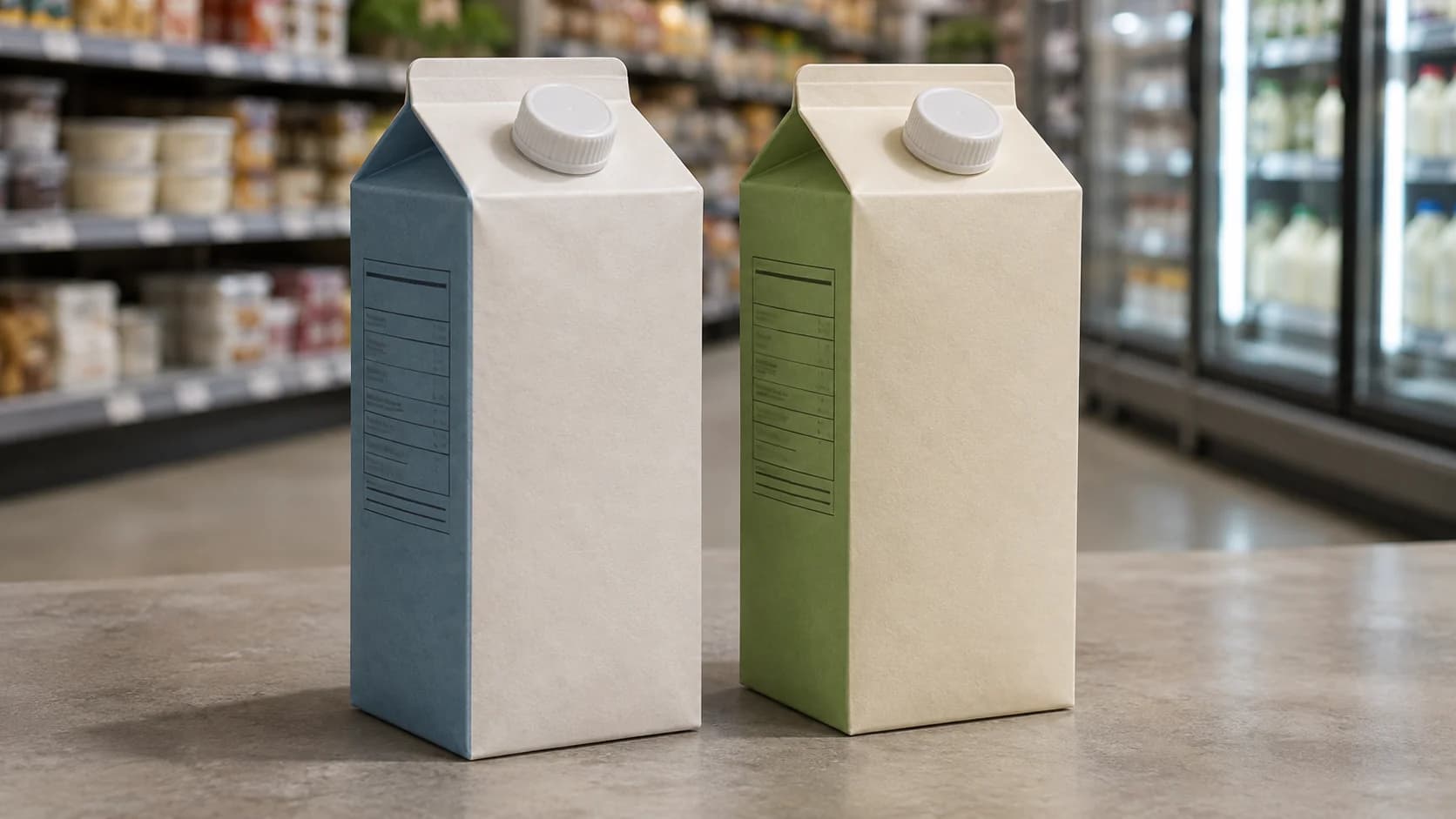
In the dairy aisle, a carton can give you a number for protein in the Nutrition Facts table and make a claim about protein somewhere else on the package. Both can be useful. They answer different questions. The number helps you work out how much protein is in the amount you pour. A phrase such as ‘source of protein’ has to meet a Canadian rule that looks at quantity and a measure of quality together.[6][4][3]
Health Canada has proposed letting manufacturers use an additional method to support that kind of claim. The October 22 notice would add the Digestible Indispensable Amino Acid Score, known as DIAAS, as an option for most foods covered by the protein quality requirements. It would also allow two laboratory assays for estimating digestibility in another existing method. The public has until January 20, 2027, to comment.[1][2]
The proposal is about the evidence behind a claim. Its most immediate effect, if adopted as written, would be on how a manufacturer can show that its product qualifies. For shoppers, the distinction is easier to see with two real labels, a simple example of the proposed calculation and a look at the conditions that apply today.[1][2][5]
Evidence access
The public consultation notice, proposed DIAAS method, current federal tables and CFIA labelling guidance were reviewed. The two package examples use publicly displayed Canadian Nutrition Facts from the manufacturers. They illustrate declared amounts and were not independently tested.
The proposal in brief
- The Canadian proposal would allow an additional protein quality method for most covered foods. The existing methods would remain available where currently permitted.
- The grams per stated serving in Nutrition Facts show quantity. Eligibility for a claim such as ‘source of protein’ also depends on a regulated protein rating.
- The consultation is open until January 20, 2027. Protein claims on infant foods would continue to use the current official method.
Two Canadian cartons and what the printed grams tell us
Start with two manufacturers’ Canadian product pages. Natrel Plus 2% lists 18 grams of protein per 250 millilitres. Earth’s Own Oat Protein lists 8 grams per 250 millilitres and includes soy protein isolate in its ingredient list. The stated volumes match, which makes the quantity comparison straightforward. On the manufacturers’ figures, there are 10 more grams of protein in that volume of the Natrel product. This is a comparison of declared amounts for two specific products.[10][11]
The label information available for that comparison does not establish either product’s regulatory protein rating under the proposed method. To calculate one, a manufacturer would need the appropriate regulatory food amount and quality information for the product. The numbers on the two cartons can answer how much protein there is in a cup. They do not tell a shopper which permitted method a manufacturer used to substantiate any particular statement.[10][11][6][2]
A serving figure also has a denominator. In this example it is 250 millilitres, so the comparison is easy to make. When two cartons use different serving sizes, the larger printed number may come from a larger portion. A shopper can bring the numbers to the same volume or weight before comparing them. The nutrition panel’s serving size and the reasonable daily intake used for certain regulatory calculations can refer to different amounts.[6][5][8]
The Canadian Food Inspection Agency describes protein in the ordinary Nutrition Facts table as a total in grams per stated serving, without a percent Daily Value for protein. The number remains useful even when a package does not carry a highlighted claim. Looking for the stated serving, the grams and then the ingredients answers three distinct shopping questions. The proposed change is aimed at a fourth question, which is how a regulated claim can be supported.[6][12][1]
What it takes to say ‘source of protein’ today
Canada’s table of permitted nutrient content claims puts phrases such as ‘source of protein’ and ‘high in protein’ in the same category. Phrases such as ‘excellent source of protein’ are in a different category with a higher required rating. The claims table points to a separate technical table for the required quality and the corresponding method. Looking at both tables matters because the permitted words and the way to support them are set out in different places.[4][3][5]
For covered foods other than infant foods, the current table sets the ‘source’ threshold at a protein rating of 20 under the official FO-1 method, or 8 under the permitted PDCAAS method. For ‘excellent source,’ the figures are 40 and 16, respectively. Those are thresholds on the scales of the corresponding methods. A rating of 8 is not a requirement to print 8 grams per serving on every carton or box.[3][5]
A manufacturer using PDCAAS multiplies the amount of protein in the relevant reasonable daily intake of the food by the score. This is why both the amount and the quality factor matter. The amount is determined using the regulatory basis for that food. It is a food quantity used for the calculation, not a suggested daily ration for an individual shopper. In the absence of a listed reasonable daily intake, Health Canada’s method points to the reference amount for the food.[5][7][8]
The government’s table also allows a specified prepared basis for breakfast cereal claims. It lists 30 grams of cereal combined with 125 millilitres of milk as an alternative to the reasonable daily intake basis. That is a useful reminder to check whether the figure in front of you describes the food as sold or a particular way of serving it. A bowl prepared differently will contain what was actually added to it.[3][1][6]
Why Canada already has two protein quality methods
Until the 2024 change, Health Canada says the relevant requirements relied on the official FO-1 protein efficiency ratio method. FO-1 estimates protein quality by measuring growth relative to the protein consumed in a standardized animal assay. The Canadian rating combines the resulting ratio with the amount of protein in the relevant food quantity. That is the scale on which a source rating of 20 and an excellent-source rating of 40 make sense.[1][3][5]
The second option, the Protein Digestibility Corrected Amino Acid Score, takes a different approach. It compares the food’s indispensable amino acid profile with a reference pattern and applies a measure of the digestibility of the protein. The Canadian method describes what evidence can be used to make the calculation. It has a different scale, which is why the government assigns a different rating threshold for an equivalent type of claim.[1][7][3]
The names sound abstract until a manufacturer needs data for a recipe with more than one protein source. The CFIA says established FO-1 ratios for two ingredients cannot simply be added to get the ratio for a finished blend. It points to testing the final product or considering the PDCAAS option, which has a method for handling mixtures. How the rules deal with a blend can matter as much in practice as the name of the method.[5][7]
The new notice keeps the permitted options in place for the requirements where they apply. It proposes adding a third method and expanding how digestibility may be measured under the second. That is a change to the routes for substantiating a claim. The notice says the proposal is designed to preserve existing protein information on labels and the nutritional requirements covered by the changes.[1][3]
What the proposed DIAAS method would measure
The proposed method asks how much of each indispensable amino acid a food supplies and how much of each is digestible by the end of the small intestine. Indispensable amino acids are the ones the body needs from food. A protein can supply a large amount of several of them and a smaller amount of another, relative to the reference pattern. The method looks at the smallest of those ratios. That is the result that sets the score.[2][9]
The draft describes the measurement at the end of the small intestine as ileal digestibility. This location matters because the score follows individual amino acids before the contents of the gut reach the large intestine. The existing PDCAAS approach uses a digestibility adjustment for the protein as a whole. The Food and Agriculture Organization recommended the amino acid approach as a preferred method in its 2013 expert report. Health Canada’s current proposal is a decision about permitting it in Canadian rules.[1][2][9]
The technical draft uses a reference pattern based on the needs of children aged six months to three years for the covered evaluation, with infants treated separately. This is a benchmark for comparing the amino acid content of a food. It does not say the product is intended for those children. A shopper looking at a claim does not have to work backward to an age group to understand the protein grams on the package.[2][6][1]
The draft allows established digestibility values for well-defined foods where they apply. A food that has not been characterized, or that has been processed differently from the one described in a reference, can need additional evidence. The draft also describes how researchers can calculate a score for a mixture when suitable data on its ingredients and their proportions already exist. A formula available on paper still depends on the quality and relevance of the inputs used.[2][9]
How the same number of grams could produce two ratings
Take two fictional foods. Suppose the relevant regulatory amount of each contains 10 grams of protein. Assume the first food’s DIAAS has been established as 0.90 and the second food’s as 0.70. The proposed formula multiplies protein in the regulatory amount by the score. The first food would have a protein rating of 9, and the second a rating of 7, even though the starting amount of protein is the same.[2]
Under the draft, a rating of 8 would satisfy the protein-quality threshold for a ‘source of protein’ claim in the applicable non-infant category. In the example, the first food clears that threshold under DIAAS and the second falls below it. This calculation is about that proposed route and that requirement. It tells us nothing about how the foods would score under the existing methods or whether any other condition would apply to their labels.[1][4][2]
The math does not reduce the protein in the second food to 7 grams or add protein to the first. It assigns a rating for a specified purpose using a reference pattern and information about digestibility. The same distinction applies to a score reported as 90%. That number is a ratio based on the limiting digestible amino acid, rather than the fraction of all protein a shopper will absorb from a serving. The cartons above have their own formulations and no score is assigned to them here.[2][6][9]
Canada’s draft pairs a rating of 16 with the DIAAS route for the ‘excellent source’ claim. Both draft thresholds match the corresponding numbers for the existing PDCAAS route. That parallel does not make the two methods interchangeable for a particular food. Two methods can have the same cutoff and produce different results from different underlying measurements. The way to know whether a product meets a threshold is to look at its evidence under the method being used.[1][3][7][2]
The separate proposal for tests outside a living organism
The notice also addresses the digestibility input used in PDCAAS. The current prescribed method requires digestibility values derived from studies in living subjects. Health Canada proposes permitting two specified laboratory procedures for applicable foods, called the pH-stat and pH-drop assays. These are in vitro procedures, meaning the measurement happens outside a living organism. The two methods are listed as options for determining a digestibility input within the existing PDCAAS approach.[1][7]
It helps to keep the two changes on separate lines. The DIAAS proposal adds a way to score digestible individual amino acids. The PDCAAS proposal adds ways to obtain a digestibility measurement used by that method. Health Canada’s draft does not list the two pH assays as a replacement for ileal amino acid data under DIAAS. Reading the draft that way would combine requirements that the proposal sets out separately.[1][2]
Health Canada says the options could make it easier for manufacturers to show compliance and reduce some reliance on human and animal testing. It also records stakeholder concerns about cost and time under the current approach. Those are reasons the department gives for consulting on the proposal. They are not observations about how much a particular manufacturer would save, how many labels would change or how a specific test would perform on every kind of food.[1]
Why a score for an ingredient can be hard to transfer
A food maker using more than one protein needs data that describe the blend. An ingredient list can tell a shopper that an oat drink also contains soy protein isolate. It does not reveal how much each ingredient contributed to the total or the digestibility of the finished product. The draft includes a calculation for mixtures with adequate ingredient data. Simply averaging two published scores would miss the individual amino acids and the different amounts each ingredient contributes.[2][11][9]
Processing can change which data are relevant. Health Canada’s draft treats a food processed in a way that differs from the food in an existing database as potentially needing its own digestibility measurements. It also describes using available lysine for foods susceptible to certain kinds of processing damage. That detail shows why a score for a raw ingredient is not enough to establish the rating of every cooked, blended or reformulated product made from it.[2]
This is one reason a nutrition researcher and a shopper can reasonably ask different things of the same package. The researcher wants to know how the score was obtained, which reference data were used and whether they describe the product as sold. A shopper counting grams can work with the portion and the declared total. Neither task requires turning the carton into a ranking of the food’s taste, price or overall nutritional value.[2][6][12]
Which other claims and foods the draft reaches
Canada also treats ‘more protein’ as a comparative claim. Under the current claims table, the food must satisfy a quality requirement and have at least 25% more protein, with a difference of at least 7 grams, per reasonable daily intake compared with the specified reference food. The draft would add the DIAAS option for the quality part where applicable. It does not change the separate quantity comparison in the claims table.[4][1][3]
The proposal reaches beyond words on packaging. Several rows concern composition requirements for foods in specified categories, including some simulated meat and poultry products and formulated liquid diets. The practical detail is the row that applies to the food. Some rows use a numeric rating, and others use a comparison with casein. The proposed method would need to be read together with the requirement for the applicable category.[1][3]
There is a specific exception for protein content claims on infant foods. Health Canada says those claims would continue to rely on the existing official FO-1 protein efficiency ratio method. The department gives alignment with the protein-quality composition method for infant formula as its reason. A broad statement that every protein claim in Canada would gain the same option would miss that exception.[1][3]
Other familiar information on food packaging has its own rules. The ingredient list can help explain where a protein comes from, and allergen declarations answer separate safety questions. The two beverages in this article contain different ingredients even before any rating is calculated. Looking at the grams, ingredients and claims in that order gives each part of the label a job it can actually do.[12][10][11]
What could change in the aisle and what comes first
If the proposal is adopted as written, a manufacturer with evidence under DIAAS would gain another route for substantiating a covered claim. Whether a company uses that option, adjusts a recipe or updates a package is a separate decision. A product already meeting the requirement through a current method could continue to rely on that method where permitted. The notice does not identify brands that plan to change their cartons.[1][3]
The policy documents do not call for a new DIAAS number in the standard Nutrition Facts table. The current instructions for the table describe the amount of protein per stated serving. A shopper might see a different claim in future if a company chooses to make one and meets the requirements. The quantity would still be read from the label itself, using the serving size shown for that product.[1][6][4]
It is possible for more than one measurement method to support the same wording, which matters when trying to infer a score from a shelf label. If the proposal proceeds, a claim could tell the shopper that the manufacturer substantiated it under an allowed route. The phrase alone would not tell the shopper which route was used. Comparing actual grams from the Nutrition Facts tables remains a more direct way to compare protein quantity.[1][3][6]
Claims on foods sold in other countries are governed by those countries’ rules. This proposal concerns products within the Canadian framework. Even for foods sold in Canada, an online product page is a snapshot of a declared serving and formulation. If a package changes or the same brand offers several versions, the label on the product being bought is the relevant one for the quantity comparison.[1][4][12]
How to check a phrase against the official tables
Begin with the exact words and where they appear. In the current Canadian claims table, ‘high in protein’ belongs under item 8, while ‘very high in protein’ belongs under item 9. The extra word changes which threshold to look up. The next step is to open the linked technical table and find the row for that item. It lists the rating associated with each permitted method, including where a product category is treated separately.[4][3]
Placement matters for a number as well. The CFIA separately discusses quantitative declarations made outside Nutrition Facts and directs readers to its rules for protein representations. The familiar protein line inside the table has a clear purpose. It supplies grams per stated serving. Seeing those same units somewhere on the front of a carton is a reason to read the surrounding wording rather than assume every statement follows the rules for the table itself.[13][6][5]
Finally, check the date and status of the document being used. An official consultation can look like a finished rule because it contains exact threshold numbers and formal wording. For PCPN-2607, the notice explains what Health Canada proposes to add. The incorporated technical table and the CFIA guidance show the current routes. Reading them together reveals the practical change without assigning any proposed rating to food that someone can buy today.[1][3][14][5]
How to follow the proposal through the consultation
The proposal is filed as PCPN-2607. The October 22 notice sets January 20, 2027, as the deadline and gives instructions for submitting comments. The consultation covers both the proposed DIAAS document and the changes to the existing PDCAAS document. Health Canada says it would publish a notice of modification and report the consultation results if the proposal moves ahead. That notice would be the place to check the final wording and timing.[1][14]
One question to follow is how manufacturers would demonstrate that published ingredient data apply to a finished food. Another is how the specified assays are used across products with different recipes and processing. These details matter to people trying to compare claims because they affect the evidence behind the same words. The consultation documents are available now. Examples of actual claims substantiated under the new route would come after any adoption and implementation.[1][2]
For the two cartons on the shelf today, the question is already answerable when it is framed as grams in the same volume. The policy question sits one step behind it. Canada is deciding whether to accept another way to support a claim about protein quality and quantity together. The answer will come from the consultation and any final notice, rather than from the numbers on a package.[1][6][14]
Check the evidence
Sources & reporting notes
- Health Canada’s proposal on protein quality methods, PCPN-2607
Health Canada · October 22, 2026
The primary notice sets out the proposed methods, applicable categories, infant-food exception and public comment deadline.
- Proposed method for determining the protein rating using DIAAS
Health Canada · Consultation draft
Technical draft covering the reference amino acid pattern, digestibility data, mixtures and calculation of the protein rating.
- Current Table of Chemical, Physical and Nutritional Characteristics of Food
Health Canada and the Canadian Food Inspection Agency
Current official methods and rating thresholds for covered claims and composition requirements, including items 44 through 46.
- Table of Permitted Nutrient Content Statements and Claims
Health Canada · Section B, protein claims
Permitted wording and conditions for claims such as ‘source of protein,’ ‘excellent source of protein’ and ‘more protein.’
- Specific nutrient content claim requirements
Canadian Food Inspection Agency · Protein claims
Guidance on protein ratings, reasonable daily intake and the calculations using the current methods.
- Elements within the Canadian Nutrition Facts table
Canadian Food Inspection Agency · Protein declaration
Explains how protein grams are declared and distinguishes those grams from the protein rating used to support claims.
- Current method for determining the protein rating using PDCAAS
Health Canada · December 18, 2024
Method currently incorporated into Canadian food regulations. Includes procedures for mixed foods and the protein rating formula.
- Nutrition labelling table of reference amounts for food
Health Canada
Lists food category reference amounts and the related guidance for declaring serving size.
- Dietary protein quality evaluation in human nutrition
Food and Agriculture Organization of the United Nations · Expert consultation report · 2013
Scientific basis for the DIAAS approach referenced in Health Canada’s proposed method.
- Natrel Plus 2% Canadian product information
Natrel · Manufacturer’s declared values
Lists 18 grams of protein per 250 millilitres for the product discussed in the article.
- Earth’s Own Oat Protein Canadian product information
Earth’s Own · Manufacturer’s declared values
Lists 8 grams of protein per 250 millilitres and identifies soy protein isolate in the ingredient list.
- Understanding food labels
Canadian Food Inspection Agency · Consumer guidance
Consumer explanation of the Nutrition Facts table, ingredient list and other parts of food labels.
- Quantitative declarations outside Nutrition Facts
Canadian Food Inspection Agency · Industry guidance
Distinguishes quantitative declarations made elsewhere on a label and points to the rules for protein representations.
- Health Canada food regulation notices
Health Canada · Notices of proposal and notices of modification
Official listing to monitor for any notice adopting or revising the proposed methods.
How this article was reported
Status checked on November 6, 2026. The report compares the consultation draft with the documents then in force and attributes proposed outcomes to Health Canada.
The two beverage examples use the manufacturers’ published Nutrition Facts for specific Canadian products. The worked protein ratings are hypothetical and do not describe those products.
No package claims, protein quality scores or compliance determinations were inferred from the declared grams.
Our corrections policy explains how to report an error.