
Food safety · Recall briefing
Co-op Recalls King Prawns Over Incorrect Use-By Dates
On the 140 g chilli-and-coriander packs, 27 DEC A and 30 DEC A should read 27 and 30 November. Co-op says to discard the affected prawns. Online orders have a separate refund number.
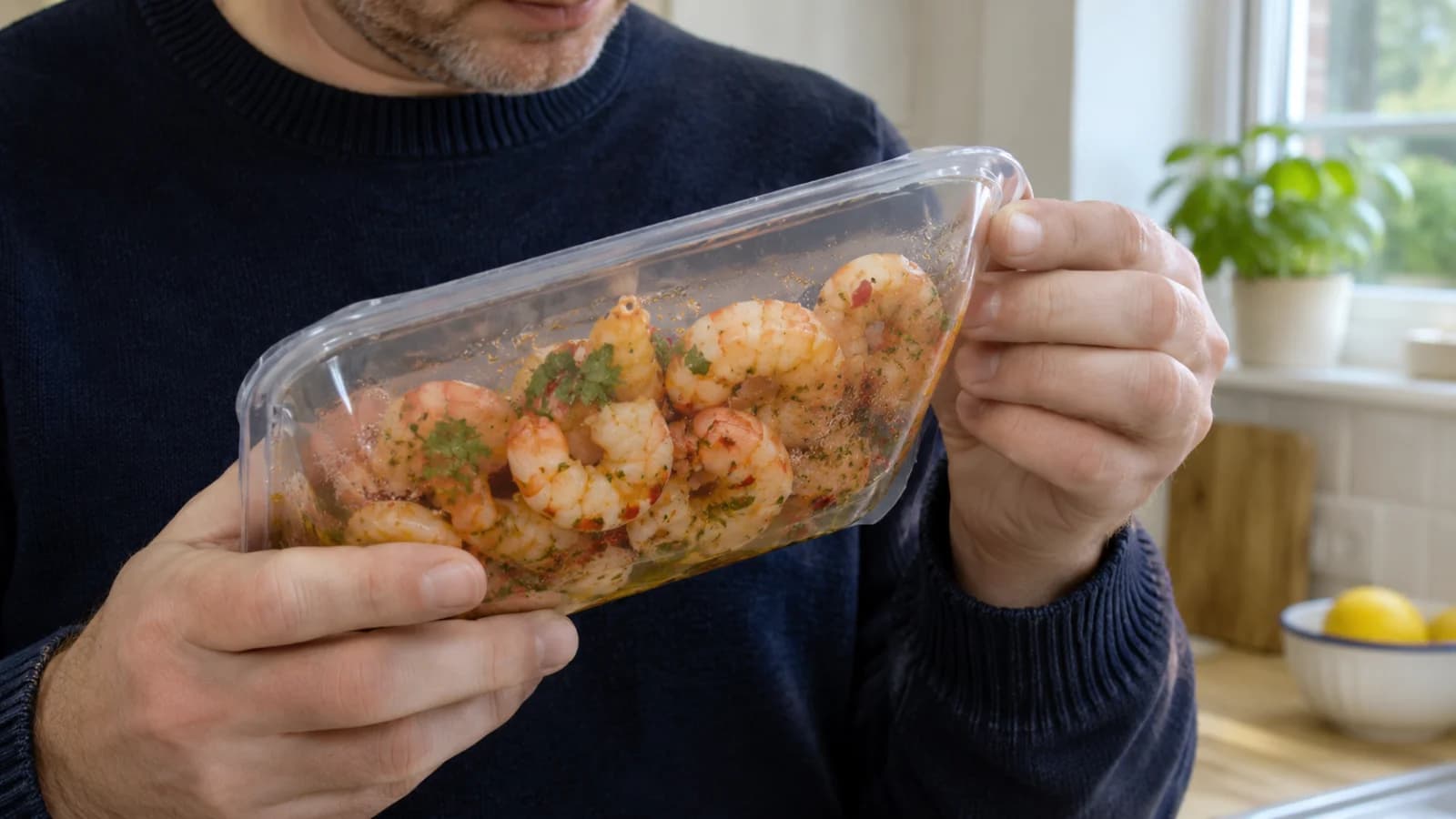
Check the use-by code on the 140 g pack
| Printed code in Co-op’s notice | Correct use-by date | Action for a matching pack |
|---|---|---|
| 27 DEC A | 27 November 2026 | Do not eat. Follow Co-op’s disposal and refund instructions. |
| 30 DEC A | 30 November 2026 | Do not eat. Follow Co-op’s disposal and refund instructions. |
These codes apply to Co-op King Prawns in a Chilli & Coriander Marinade sold in 140 g packs. For a Co-op online order, the retailer lists 0330 041 7737 for a refund. For general questions about the recall, call Co-op on 0800 0686 727.[1][2]
The dates printed on the packs make the prawns look as though they can stay in the fridge well into December. The Food Standards Agency says that month is wrong. Its 25 November alert identifies two printed date codes on 140 g packs of Co-op King Prawns in a Chilli & Coriander Marinade. The correct use-by dates fall on 27 and 30 November instead.[1]
If you have the tray in front of you, look for the use-by code without opening it. Co-op’s customer notice identifies the affected packs as 27 DEC A and 30 DEC A. The retailer asks buyers to dispose of the product and gives two routes to a refund depending on where they bought it. Those are the details worth saving, especially if you ordered groceries for someone else and they still have the food.[2]
The alert concerns a specific packaged product. It gives a way to check a tray already at home, rather than a reason to clear every packet of seafood from the fridge. The differences between the retailer’s notice and the regulator’s wording matter when deciding what to bring to a store. Both notices are available below, along with the UK guidance that explains why a wrong use-by date is taken seriously.[1][2][3]
Evidence access
The Food Standards Agency alert and Co-op’s store notice are both public. The store notice includes a photograph of the actual product. Compare your label with that notice if the packaging is unfamiliar.
What to do
- Match the product name, pack size and date code. Co-op’s notice shows the pack photograph and both codes.
- Co-op’s customer notice says to dispose of the affected product and visit a local store for a refund or a replacement, subject to availability.
- Co-op gives a separate refund number, 0330 041 7737, for purchases made online.
- Keep the recall reference FSA-PRIN-55-2026 handy if the date is unreadable, you no longer have the pack or you need to ask the retailer how to proceed.
Which Co-op king prawn packs are affected?
Start by checking that the full name on the packaging reads Co-op King Prawns in a Chilli & Coriander Marinade. Next check the weight of the sealed pack, which should be 140 g. Then read the printed code. The customer notice uses the abbreviated forms 27 DEC A and 30 DEC A. The Food Standards Agency’s web alert spells out the dates as 27 December 2026 and 30 December 2026. The retailer’s notice is the place to check the code as it appears on the pack.[1][2]
Read the rows individually. A pack carrying the first December date maps to 27 November, while one carrying the second maps to 30 November. Putting the two dates together as a single range loses the pairing. If two packs were bought on the same trip, compare them separately. The second tray could carry a different date code, and the purchase date does not identify which code is on either tray.[1][2]
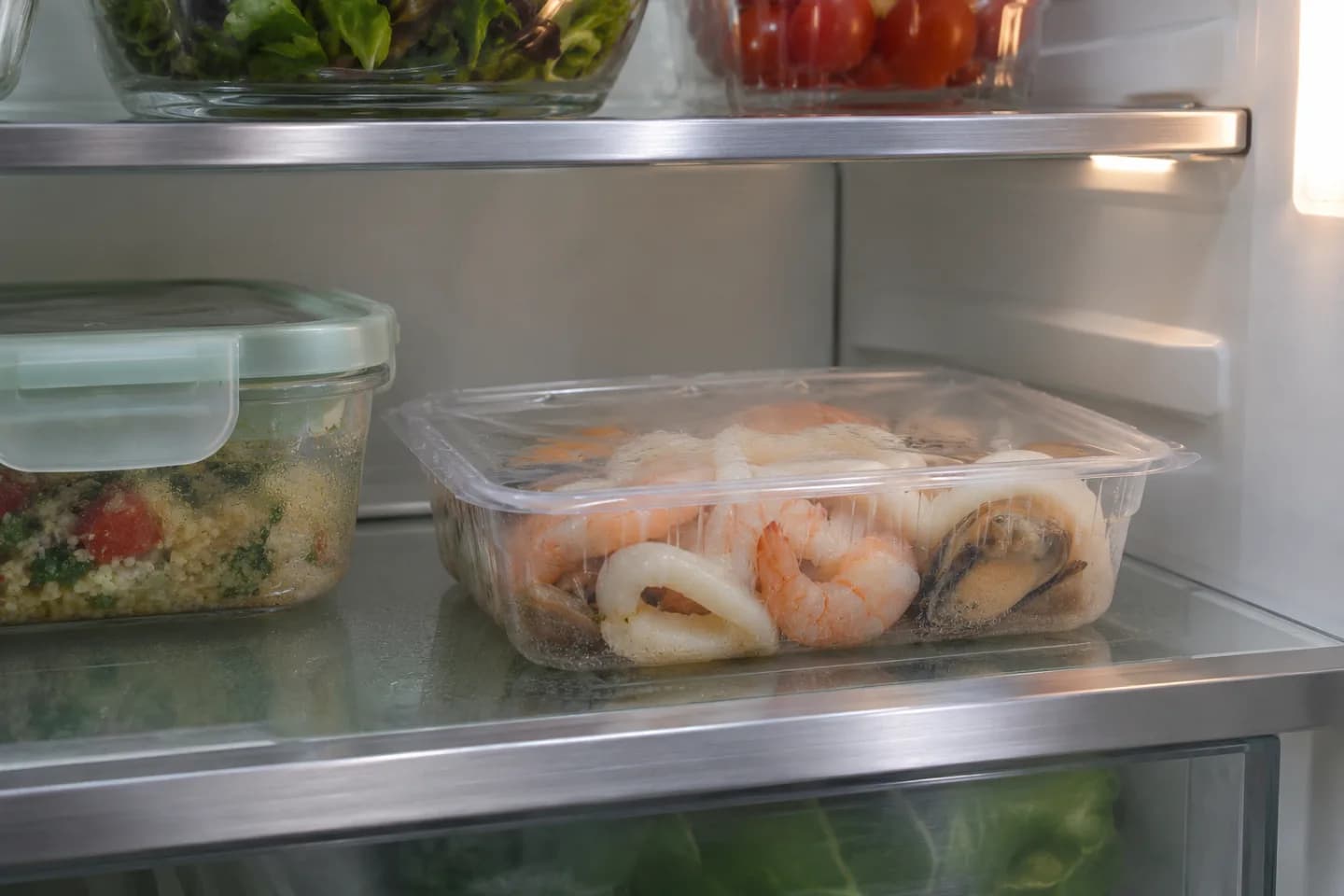
The retailer includes a front-of-pack photograph in its customer notice. That is useful if someone else took the tray out of a shopping bag or the product name is less prominent than the design. Use the photograph alongside the written name, weight and date. A tray that looks similar from above still needs to match the identifying details. The pictures in this briefing show ordinary shopping and storage scenes and are illustrative.[2]
An unreadable date is a reason to check with Co-op before serving the prawns. Wipe condensation from the outside if it is obscuring the print, and note what you can make out. If the package was thrown away, look for the full product name or weight in an order confirmation. A bank transaction can establish the shop and day but rarely tells you which exact package was in the basket. Co-op can tell you what it needs to answer a query about an uncertain match.[2]
How to seek a refund in store or online
For a purchase made in a shop, Co-op’s customer notice asks buyers to dispose of the prawns and visit a local store for a refund or, if available, a replacement. Before disposing of the package, make a note of the product name, weight and date code if you can do so easily. If you have the receipt or a clear photograph of the label, it can help explain which item you bought. The notice makes no promise about exactly what any particular store will ask for.[2]
The Food Standards Agency’s online alert describes returning the product to a local Co-op. The customer notice attached to that alert says to dispose of it and visit the store. If you are deciding whether to take anything with you, clarify that practical point with Co-op on 0800 0686 727. Set a matching pack apart from food you are planning to use while you make the call. There is no benefit to opening it for the sake of a refund enquiry.[1][2]
For a purchase made through Co-op online, the retailer gives 0330 041 7737 for refunds. Have the order number and list of items from your confirmation ready if you still have them. An order may show the product and its size, while the use-by code is usually something you read from the individual pack. If a third-party delivery service handled the payment, ask the seller or the service which of them should process a refund and mention the recall reference.[2]
If someone else placed the order but the prawns were delivered to you, one person may have the confirmation and the other may have the package. Sharing those two pieces of information can save a second call. For a household without the receipt or packaging, the date and approximate shop are still worth mentioning to customer care. The retailer’s public notice gives a route for questions, and the published guidance leaves those individual refund decisions to Co-op.[2]
Why one wrong month matters on chilled seafood
A use-by date is a safety instruction. The Food Standards Agency says it is used for foods that can become unsafe even when their appearance and smell have barely changed. It also depends on the food being stored as directed. A person reading December on this pack could plan to eat the prawns weeks beyond the correct date. Storing the tray promptly after shopping does not correct the date itself.[1][3][4]
Best-before dates serve a different purpose. They tell you about expected quality, for example when a dry food may start to lose its texture. The recall concerns a use-by label, so the household decision is about safety. Look at the words next to the date as well as the numbers. Someone accustomed to checking whether a dry food still smells fresh should not apply that test to the tray covered by this notice.[1][3]
Marinade does not give a shopper a usable way to judge whether the food remains safe. The smell of coriander, the colour of a chilli dressing and the appearance of the food under a clear lid are descriptions of the product, not measurements of what is happening inside the pack. The same goes for a lid that still looks sealed. Co-op’s disposal instruction applies to the pack match, regardless of whether the tray looks the way it did when purchased.[3][2]
The published reason for the recall is incorrect date labelling. The sources we checked do not identify a specific contaminant or report an illness count for this recall. Those are separate questions. The Food Standards Agency says the affected product is unsafe to eat after its correct use-by date, and the customer notice provides a practical action for any buyer who finds a match. There is no need for the shopper to work out the production problem before acting on that notice.[1][2]
What if the pack was opened, frozen or used in a dish?
If the remaining prawns have already been moved into another container, check the original label or order details before anyone uses the leftovers. Tell others at home if you identify an affected pack. An opened package makes it easier to lose the date and name that came with it. It also gives you fewer details to read back to the retailer. If what you have on hand is uncertain, remember that the housemate about to eat it may never have seen the box.[2][3]
General Food Standards Agency guidance explains that suitable foods may sometimes be frozen before their valid use-by date. This particular tray is subject to a recall and Co-op directs shoppers to dispose of it. Keep that distinction in mind if you find a tray already in the freezer. If you cannot match the original code, ask Co-op about the product and the date before using it. The December print is an unreliable starting point for reconstructing the timeline.[1][2][3][4]
If prawns from a matching pack were put into a salad, rice dish, pasta or sandwich that is still in the fridge, set the dish aside and let anyone who shares the food know why. Avoid trying to rescue it by picking out the prawns. Once an ingredient has been mixed through a prepared dish, it may be hard to tell where it ended up. Keep the original package details if available, since they identify what went into the dish more reliably than the appearance of the leftovers.[2][4]
For ordinary chilled foods outside the recall, the Food Standards Agency recommends a fridge temperature between 0°C and 5°C and following any storage instructions on the pack. A thermometer lets you check the temperature your food sits in. Chilling and a valid label work together over the lifetime of a perishable food. The Co-op case is a reminder of what happens when you have one piece of that information and cannot rely on the other.[3][4]
What to do if someone has already eaten them
Finding an affected wrapper after a meal can be unsettling. Record the date code, when the prawns were eaten and when any symptoms began. Share the notice with other people who ate from that pack so they have the same information. The label identifies a product in the recall, but it cannot establish the cause of any particular illness. A healthcare professional can advise based on the person’s symptoms and circumstances.[1][2][5]
NHS guidance lists nausea, vomiting, diarrhoea, stomach pain, fever and feeling generally unwell among possible symptoms of food poisoning. It advises getting help urgently if, for example, someone keeps vomiting and cannot retain fluid or has bloody diarrhoea. For urgent advice, use the NHS guidance and the service for your part of the UK. In a life-threatening emergency, call 999. The retailer’s number is for the product and refund, while medical services deal with symptoms.[5][6]
If you want to report suspected food poisoning or a wider problem with a food product, the Food Standards Agency’s reporting guide explains when to go to your local authority or another body. A store, purchase date, the product name as sold and the exact code are more useful than a description such as ‘some prawns’. Record what you are sure of and be clear about any details you do not have. If you need medical help, deal with that promptly while retaining whatever information is easy to find.[7][5]
What the recall covers and what the notice leaves open
The Food Standards Agency cites one named product, one pack size and two incorrect dates. Its public alert does not give a list of individual store addresses or a count of affected packs. Co-op’s attached notice also identifies the item by product and date code. That means a shopper can act on a matching pack without having to establish which delivery it came in. The accessible way to check a different product is to look it up by its own name and compare its own identifiers.[1][2]
The notice to stores says it should be displayed until 10 December 2026. That is a date printed on an in-store notice. The dates relevant to the condition of the food are the two corrected dates in November. If you find the wrapper after the sign has been taken down, keep the recall reference and contact Co-op about the purchase. The date the sign comes down does not tell you whether the retailer will handle a later enquiry in the same way.[1][2]
Food recalls and product withdrawals are related actions with different audiences. The Food Standards Agency uses withdrawal for a product taken out of the supply chain and recall when people who may already have it are asked to take action. The latter is the situation here. Removing trays from a shelf helps future shoppers. Reaching someone who bought a tray on the previous grocery run takes an alert, a shop notice or a message shared by someone in their household.[1][8]
If you are sharing the story, pass on the full pack identification and the official reference FSA-PRIN-55-2026. A message saying only ‘Co-op prawns recalled’ is easy to remember but difficult to act on. A photo cropped to the front of a wrapper can have the same problem if it cuts off the date. Send the part that lets the other person make a match, plus the online-order distinction if someone else did the shopping.[1][2]
What shoppers actually look for on date labels
People who already know to look for a use-by date can still be caught by an incorrect print. The Food Standards Agency’s Food and You 2 survey gives a sense of how often that information enters the cooking routine. In the tenth survey wave, which ran from October 2024 to February 2025, 65 percent of respondents to the food-preparation question said they always checked the use-by date beforehand. Across the waves examined in the trend report, that share ranged from 59 to 66 percent. The figures describe what people said about their habits.[9]
Other researchers for the agency looked at what happened inside the fridge. Of the 65 households with thermometers installed in the Kitchen Life 2 fieldwork, 34 had an average fridge temperature above the recommended 5°C. That was an observed group from a separate study and does not estimate the share of all UK kitchens with warmer fridges. Together, the two findings show why both pieces of information matter. A shopper may remember to read the label without knowing the temperature the food has been kept at, or store it carefully while relying on a date that turns out to be wrong.[9][4][1]
In interviews and diary research summarised by the agency, people described relying on smell, sight, past experience and the wish to avoid wasting expensive food. These were qualitative findings from a small group, useful for understanding decisions but unable to tell us how often any one explanation applies. The expense of throwing out a planned meal is real. That is one reason the refund information belongs next to the disposal instruction and pack details, where a reader can use all three at the same time.[9][2]
The agency’s kitchen research found that shoppers can struggle to see date markings when the fridge is crowded or the print is hard to read. In a recipe or a shopping list, it is tempting to call every package ‘prawns’. That shortcut makes sense until several people share the fridge, or until an alert turns on an exact variety and weight. For a perishable item, a quick label read when the groceries go away gives everyone better information than a glance at the contents.[10][1]
Consider a household with two similar sealed trays. The first clearly matches a code in the retailer notice. The second has a damp, unreadable stamp and could have come from a different trip. A single message saying both are fine or both are affected would conceal the difference between those pieces of evidence. Tell the household which tray matches, keep the uncertain one apart and use the customer care number to check its details. Good label habits help with identification. In this case, only the official notices tell you why the printed month changed.[1][2]
What to make if the prawns were tonight’s dinner
Changing dinner on short notice is easier when you keep the rest of the plan. If it was going to be rice and greens with a chilli dressing, keep the rice, greens and dressing you prepared separately, then choose a different protein from food you can use safely. The swap is about the role the prawns played. Some ingredients work well for a warm bowl and others suit a cold salad, so start with what you had time to make. Browse high-protein recipes for a replacement meal.
For another seafood option outside the recall, compare the amount you intend to serve and whether it is already cooked. For a shelf-stable choice such as canned fish, check whether the label uses a drained or undrained weight. For plain frozen seafood, choose the portion and follow that product’s own storage, defrosting and cooking instructions. If you use seafood regularly for meal planning, compare cooked portions using the fish and seafood protein chart.
Beans, lentils or another pantry staple can also turn the same vegetables or grains into dinner. Choose based on the people at the table, their allergies and the time you have for cooking. If cost is the immediate concern, start with a protein food you already own before making another trip. For a future grocery run, the budget protein guide compares common options by portion.
A tray’s 140 g package weight measures the food as sold. If you are calculating protein in a future meal, that number may include marinade and may cover more than the amount you put on a plate. The nutrition panel of the product you actually use is the starting point for that calculation. For comparison with plain cooked seafood, see the table of common portions in our shrimp protein guide.
A label check you can share with your household
Read the product name first, then the weight, then the date words and the code. If you are checking a delivery on behalf of someone else, ask them to read the date from the tray, or to take a photograph that shows both the printed code and the brand. Checking the month out loud helps when the two dates differ only by an abbreviation. In this recall the numbers were familiar and the month was the unreliable part.[1][2]
For a shared refrigerator, place ordinary products that need to be used soon where the people preparing meals can see their labels. If you transfer food out of a box, keep its storage instructions and date nearby. When an alert does turn up, look up the official notice by product and code before trusting a forwarded screenshot. The details that matter are often quite small. In this case the 140 g size, marinade name and two printed codes are enough to make the first decision.[2][3]
Put the refund information somewhere separate from your weekly meal plan so the product is not picked up by mistake while the query is being resolved. If the pack matches, Co-op’s advice is to dispose of it. If you are still deciding what to make instead, a dependable meal-prep plan gives you room to replace one ingredient without rebuilding the whole week. For practical portion and storage ideas, see our high-protein meal prep guide.
The corrected dates in this case came from the official alert. For any new information after this briefing, use the retailer notice and the FSA reference below. The simplest message to send a person who may have bought the prawns is the name, the 140 g weight and the two printed codes, followed by Co-op’s instructions for their purchase channel. That gives them enough to check the fridge and decide what to do next.[1][2]
Check the evidence
Sources & reporting notes
- Food alert FSA-PRIN-55-2026
UK Food Standards Agency
The official record of the 25 November alert gives the affected product, incorrect dates, corrected November dates and reference.
- Co-op customer recall notice with pack photograph (PDF)
Co-op · hosted by the UK Food Standards Agency
Shows the actual pack, the 27 DEC A and 30 DEC A codes, disposal instructions, the in-store option and the online refund number.
- Best before and use-by dates
GOV.UK
Explains the two types of date label and the role of safe storage.
- How to chill, freeze and defrost food safely
UK Food Standards Agency
Household advice on refrigerator temperatures, labels and the safe storage of perishable foods.
- Food poisoning symptoms and when to seek urgent help
NHS
Covers common symptoms and specifies when to seek urgent or emergency help.
- How to get urgent medical help
NHS
Explains when to use 111, links to services elsewhere in the UK and distinguishes urgent advice from a 999 emergency.
- How to report a food safety or hygiene issue
UK Food Standards Agency
Directs members of the public to the appropriate reporting channel for food safety and hygiene issues.
- Food alerts archive
UK Food Standards Agency
Official public list for looking up other notices and their reference numbers.
- Consumers’ food safety practices in the home, 2020 to 2025
UK Food Standards Agency
Summarises use-by survey trends, qualitative interviews and the fridge-temperature observations from Kitchen Life 2.
- Kitchen Life 2 full report
UK Food Standards Agency and Basis Social
The date-label findings discuss visibility and legibility as barriers to checking use-by dates.
How this article was reported
We compared the regulator’s 25 November alert with the retailer’s customer notice and checked the printed codes against the corrected dates. The two documents give different wording on bringing back or disposing of the product, and we attribute each instruction to its source.
The photographs illustrate ordinary grocery handling. Use the retailer’s linked photograph and the actual label for product identification. Health information is general UK public guidance. The recall documents do not provide clinical details, quantities or a store-level distribution list.
Our corrections policy explains how to report an error.