
Recipe guide
Protein Yogurt Bowl: 30g+ Recipes for Every Goal
A protein yogurt bowl is one of the simplest high-protein meals you can build, but the best version is not just a large bowl of yogurt with random toppings. A good bowl has a protein-rich base, enough fiber or fruit to feel complete, a measured crunch, and toppings that match the goal. This complete guide covers protein yogurt bowl basics, protein yogurt bowl for beginners, protein yogurt bowl for weight loss, protein yogurt bowl for muscle gain, and protein yogurt bowl under 400 calories. You will get recipe comparison tables, protein and calorie estimates, yogurt and topping data, sweet and savory options, meal-prep guidance, label checks, troubleshooting, visual summaries, FAQs, and recipe cards for bowls that work as breakfast, snacks, desserts, or light meals.
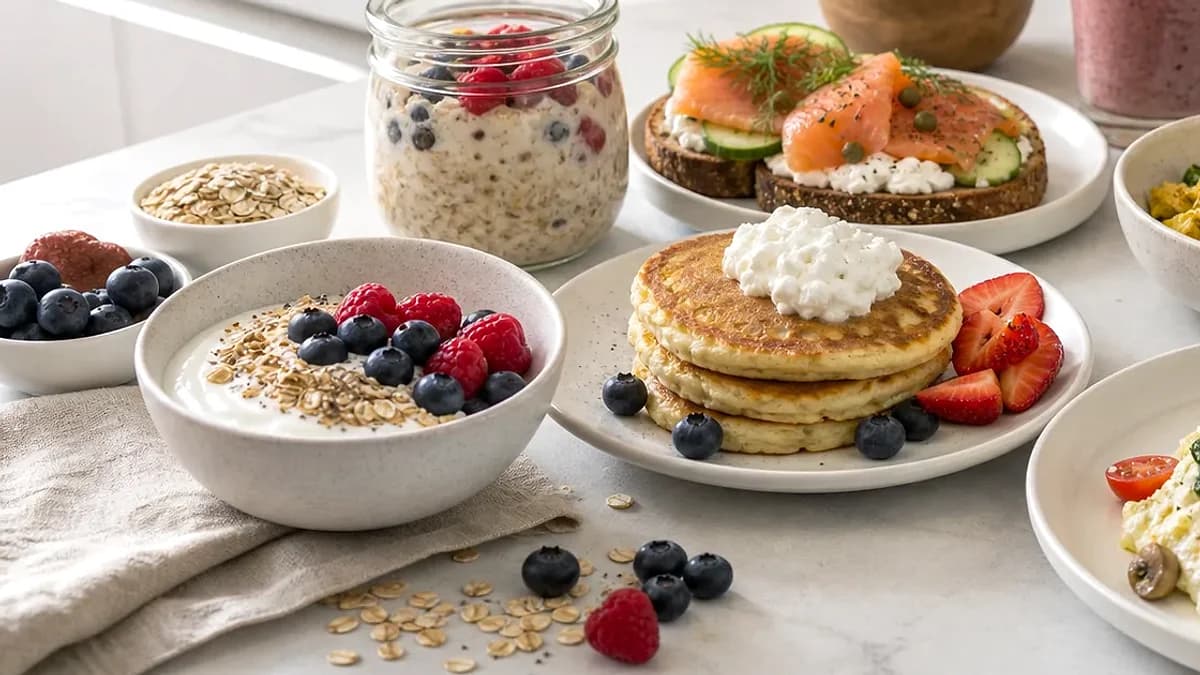
Key Takeaways
- A useful protein yogurt bowl starts with a high-protein base such as Greek yogurt, skyr, strained yogurt, soy yogurt, or a Greek-yogurt and cottage-cheese blend.
- Protein yogurt bowl for beginners should use familiar flavors, one protein booster, one fruit, one crunch, and one optional fat topping so the bowl stays easy to repeat.
- Protein yogurt bowl for weight loss should protect protein while measuring granola, nuts, nut butter, honey, chocolate chips, dried fruit, and oversized cereal portions.
- Protein yogurt bowl for muscle gain should keep the protein base but add planned calories from oats, granola, banana, dates, cereal, nut butter, nuts, seeds, honey, or whole-milk dairy.
- Protein yogurt bowl under 400 calories is easiest with nonfat Greek yogurt or skyr, berries, chia, a small oat or cereal portion, and measured toppings.
Article Structure
- 1. What Is a Protein Yogurt Bowl?
- 2. Protein Yogurt Bowl Recipe Comparison Table
- 3. Protein Yogurt Bowl for Beginners
- 4. Protein Yogurt Bowl for Weight Loss
- 5. Protein Yogurt Bowl for Muscle Gain
- 6. Protein Yogurt Bowl Under 400 Calories
- 7. Full Protein Yogurt Bowl Recipes
- 8. Yogurt Bases, Protein Boosters, and Topping Data
- 9. Meal Prep, Storage, Labels, and Troubleshooting
Use This as Decision Support, Not a Treatment Plan
This page can help organize meals and questions, but it cannot set a personal medical nutrition target. Bring these points to the clinician managing the medication, diabetes care, kidney health, pregnancy planning, or side effects.
- What protein and calorie range fits my medication, weight-loss pace, kidney function, labs, and activity?
- Which symptoms should trigger a medication or clinical check-in rather than another food swap?
- Do I need body-composition monitoring, hydration guidance, constipation support, or referral to a registered dietitian?
What Is a Protein Yogurt Bowl?
A protein yogurt bowl is a yogurt-based meal or snack built to deliver a meaningful amount of protein while still eating like a real bowl of food. The base is usually Greek yogurt, skyr, strained yogurt, high-protein yogurt, soy yogurt, or a blend of yogurt and cottage cheese. The protein can come entirely from the yogurt or be increased with whey, casein, collagen as a secondary add-in, soy protein, pea protein, powdered peanut butter, milk powder, or a high-protein topping. The bowl then gets fruit, oats, granola, chia, seeds, nuts, nut butter, cereal, chocolate, honey, spices, or savory toppings depending on the goal.
Most useful protein yogurt bowls land around 25-45 g protein. A small snack bowl might use 170 g Greek yogurt and berries. A complete breakfast may use 250 g Greek yogurt, chia, oats, fruit, and a measured crunch. A muscle-gain bowl may use whole-milk yogurt, banana, granola, peanut butter, and whey. The same format can be light or calorie dense. That is why the bowl should be built from a formula instead of free-poured toppings.
The biggest mistake is thinking yogurt automatically makes the bowl high protein or weight-loss friendly. Some regular yogurts are low in protein and high in added sugar. Some bowls start lean but become 700 calories after granola, nuts, honey, peanut butter, dried fruit, and chocolate chips are added. None of those toppings are bad. They simply need a role. For weight loss, they are accents. For muscle gain, they can be planned calorie boosters. For beginners, they should be simple enough to repeat.
Best protein bases
Greek yogurt, skyr, strained yogurt, high-protein yogurt, soy yogurt, and Greek yogurt blended with cottage cheese are the easiest starting points.
Best fiber and volume
Berries, banana, apple, mango, chia, ground flaxseed, oats, high-fiber cereal, pumpkin, and cucumber can make the bowl more filling.
Best crunch
Measured granola, cereal, toasted oats, roasted chickpeas, nuts, seeds, cacao nibs, or graham crumbs make yogurt bowls feel finished.
Best calorie controls
Measure granola, nut butter, nuts, seeds, honey, dried fruit, chocolate chips, and large oat portions when the bowl needs to stay under 400 calories.
Protein Yogurt Bowl Recipe Comparison Table
Use this table before building a bowl. Protein and calories are estimates for one serving. They change with yogurt brand, fat level, protein powder scoop size, fruit amount, granola serving, nut butter, honey, and whether the bowl is a snack or a full meal. The goal column matters because a 330-calorie berry skyr bowl and a 650-calorie banana granola bowl can both be excellent, but they serve different jobs.
| Protein yogurt bowl | Protein | Calories | Best for | Base | Texture note |
|---|---|---|---|---|---|
| Basic Greek Yogurt Berry Bowl | 35 g | 340 | Beginner, under 400 | Greek yogurt + whey | Creamy with fresh fruit. |
| Berry Skyr Crunch Bowl | 34 g | 330 | Weight loss, under 400 | Skyr | Thick and tart. |
| Chocolate Peanut Butter Protein Bowl | 42 g | 520 | Muscle gain, dessert bowl | Greek yogurt + whey | Rich; measure peanut butter. |
| Cottage Cheese Cheesecake Yogurt Bowl | 38 g | 390 | Under 400, beginner | Greek yogurt + cottage cheese | Blend for smooth texture. |
| Vegan Soy Yogurt Protein Bowl | 30 g | 380 | Dairy-free, under 400 | Soy yogurt + plant protein | Needs strong flavoring. |
| Overnight Crunch Protein Yogurt Bowl | 35 g | 395 | Meal prep, under 400 | Greek yogurt + oats | Soft oats with crunchy topping. |
| Tropical Mango Lassi Protein Bowl | 33 g | 390 | Beginner, fruit bowl | Greek yogurt + whey | Sweet, tangy, thick. |
| Apple Cinnamon Casein Yogurt Bowl | 37 g | 360 | Weight loss, high satiety | Greek yogurt + casein | Very thick after resting. |
| Mocha Protein Yogurt Bowl | 35 g | 340 | Dessert snack, under 400 | Greek yogurt + whey | Coffee and cocoa hide powder taste. |
| Banana Granola Muscle-Gain Bowl | 48 g | 650 | Muscle gain | Whole-milk Greek yogurt + whey | Large, calorie dense, easy to finish. |
| Savory Mediterranean Protein Yogurt Bowl | 32 g | 380 | Savory snack or light lunch | Greek yogurt | Dip-style, crunchy vegetables. |
| Strawberry Cheesecake Protein Bowl | 36 g | 350 | Dessert, under 400 | Greek yogurt + whey | Best with lemon and vanilla. |
Quick answer
The easiest protein yogurt bowl uses 200-250 g Greek yogurt or skyr, 1/2 scoop protein powder if needed, berries or banana, chia or oats, and one measured crunch topping. Keep it under 400 calories by using nonfat yogurt, berries, chia, and a small granola or cereal portion.
Protein Yogurt Bowl for Beginners
Protein yogurt bowl for beginners should be simple enough to make without a recipe after two tries. Start with one base, one flavor, one fruit, one crunch, and one optional fat. For example: Greek yogurt, vanilla, berries, granola, and a few chopped nuts. Or skyr, cinnamon, apple, oats, and a small peanut butter drizzle. The goal is not to create a bowl with ten ingredients. The goal is to learn how much yogurt, fruit, crunch, and sweetener you actually enjoy.
If you are adding protein powder, stir it in slowly. A full scoop can make yogurt pasty, chalky, or overly sweet, especially with casein. Start with half a scoop and add a splash of milk if the yogurt becomes too thick. Whey usually mixes lighter than casein. Casein creates a thick pudding-like bowl. Plant protein can work, but it absorbs liquid and often needs stronger flavors such as cocoa, berries, coffee, cinnamon, or vanilla.
Beginners should also separate wet and crunchy ingredients when meal prepping. Yogurt, protein powder, chia, oats, and fruit can sit together for a few hours or overnight. Granola, cereal, nuts, cookie crumbs, cacao nibs, and toasted seeds should be added right before eating if you want crunch. That small habit makes the bowl feel fresh instead of soggy.
| Beginner bowl | Protein | Calories | Why it works | Beginner tip |
|---|---|---|---|---|
| Basic Greek Yogurt Berry Bowl | 35 g | 340 | Familiar flavor and easy ingredients. | Use vanilla and a pinch of salt. |
| Berry Skyr Crunch Bowl | 34 g | 330 | Skyr is already thick and high protein. | Add a small crunch topping for texture. |
| Strawberry Cheesecake Protein Bowl | 36 g | 350 | Lemon and vanilla create dessert flavor. | Measure graham crumbs or granola. |
| Tropical Mango Lassi Protein Bowl | 33 g | 390 | Mango makes the bowl naturally sweet. | Use ripe mango and cardamom. |
| Overnight Crunch Protein Yogurt Bowl | 35 g | 395 | Meal-prep friendly and filling. | Keep crunchy topping separate. |
| Savory Mediterranean Protein Yogurt Bowl | 32 g | 380 | Good for people who dislike sweet breakfasts. | Use cucumber, herbs, chickpeas, and olive oil carefully. |
- Choose Greek yogurt, skyr, or soy yogurt before adding powder.
- Use half a scoop of protein powder first; increase only if the texture stays pleasant.
- Add salt, vanilla, cinnamon, cocoa, lemon, or fruit before adding more sweetener.
- Measure granola and nut butter at least once so you know what a serving looks like.
- Pack crunchy toppings separately when the bowl is prepared ahead.
Protein Yogurt Bowl for Weight Loss
Protein yogurt bowl for weight loss should be filling, high in protein, and honest about toppings. Yogurt bowls are often marketed as light, but the final calories can change fast. Nonfat Greek yogurt plus berries may be 220-300 calories. Add a large pour of granola, honey, peanut butter, nuts, and chocolate chips, and the same bowl can become a 700-calorie dessert. That may be fine for some goals, but it is not a weight-loss bowl anymore.
The best weight-loss yogurt bowls use protein-efficient bases and high-volume toppings: nonfat Greek yogurt, skyr, low-fat cottage cheese blended into yogurt, soy yogurt, whey isolate, casein, berries, apple, pumpkin, cucumber, chia, ground flaxseed, cinnamon, cocoa, lemon, and a measured crunch. Choose fruit and fiber before adding more calorie-dense toppings. If you are hungry quickly after the bowl, add more volume or fiber instead of only adding more powder.
A good weight-loss bowl does not need to be the lowest calorie bowl possible. It needs to fit your day and keep you satisfied. A 380-calorie yogurt bowl with 35 g protein, berries, chia, and a small crunch can be more useful than a 190-calorie bowl that leaves you hungry an hour later. The under-400 section below gives lighter builds, but the best choice is the one that helps you repeat your target intake.
| Weight-loss bowl | Protein | Calories | Why it helps | Calorie control move |
|---|---|---|---|---|
| Berry Skyr Crunch Bowl | 34 g | 330 | High protein-to-calorie ratio. | Use berries before granola. |
| Apple Cinnamon Casein Yogurt Bowl | 37 g | 360 | Very thick and slow to eat. | Use diced apple instead of extra honey. |
| Mocha Protein Yogurt Bowl | 35 g | 340 | Cocoa and coffee make it dessert-like. | Use mini chips only if measured. |
| Strawberry Cheesecake Protein Bowl | 36 g | 350 | Sweet, tangy, and under 400. | Measure graham crumbs. |
| Cottage Cheese Cheesecake Yogurt Bowl | 38 g | 390 | High protein and creamy. | Blend cottage cheese and skip heavy toppings. |
| Savory Mediterranean Protein Yogurt Bowl | 32 g | 380 | Vegetables add crunch and volume. | Measure olive oil and chickpeas. |
Weight-loss topping rule
Pick one concentrated topping per bowl. Granola, nuts, nut butter, honey, chocolate chips, coconut, dried fruit, and cereal can all fit, but stacking several of them can double calories quickly.
Protein Yogurt Bowl for Muscle Gain
Protein yogurt bowl for muscle gain can be larger and more energy dense. The protein base still matters, but the bowl should also help you eat enough total calories. Whole-milk Greek yogurt, regular skyr, whey, oats, banana, granola, cereal, dates, honey, peanut butter, nuts, seeds, dark chocolate, and milk powder can turn a light yogurt bowl into a practical training-day meal or dessert.
The common muscle-gain mistake is adding too much powder and not enough food. Two scoops of protein powder can make yogurt thick, chalky, and hard to finish. A better approach is to use enough yogurt to create a creamy base, add one scoop or less of powder if needed, then add calories through toppings that improve texture. Granola, oats, banana, dates, cereal, peanut butter, and nuts make the bowl easier to eat while adding carbohydrates and fats that support a calorie surplus.
A muscle-gain yogurt bowl can work at breakfast, after training, or before bed. If you train hard and struggle to eat enough, a cold bowl may be easier than another hot meal. If you need more carbohydrates, add oats, cereal, banana, mango, or granola. If you need more calories without a huge volume increase, add peanut butter, tahini, chopped nuts, seeds, or whole-milk yogurt. Keep the bowl pleasant enough that you actually finish it.
| Muscle-gain bowl | Protein | Calories | Why it works | Easy calorie booster |
|---|---|---|---|---|
| Banana Granola Muscle-Gain Bowl | 48 g | 650 | Protein plus carbs and fats. | Add cereal or honey. |
| Chocolate Peanut Butter Protein Bowl | 42 g | 520 | Dessert flavor with useful calories. | Use whole-milk yogurt. |
| Mango Lassi Protein Bowl with Cashews | 38 g | 560 | Fruit, dairy, and nuts are easy to finish. | Add cashews or dates. |
| Overnight Crunch Protein Yogurt Bowl | 40 g | 540 | Oats and yogurt prep well. | Increase oats or granola. |
| Apple Cinnamon Bulk Bowl | 45 g | 590 | Oats, apple, yogurt, and nut butter. | Add raisins or walnuts. |
| Mocha Cereal Protein Yogurt Bowl | 42 g | 560 | Coffee flavor plus cereal crunch. | Use more cereal after training. |
- Use the bowl to fill a planned calorie gap, not as random grazing.
- Keep protein powder moderate and add calories through foods that improve texture.
- Use banana, oats, cereal, granola, mango, or dates when you need more carbohydrates.
- Use peanut butter, nuts, seeds, tahini, or whole-milk yogurt when you need more calories in less volume.
- If appetite is low, split one large bowl into two smaller servings.
Protein Yogurt Bowl Under 400 Calories
Protein yogurt bowl under 400 calories is easy when the base is high protein and the toppings are measured. Start with 200-250 g nonfat Greek yogurt, skyr, or a high-protein soy yogurt. Add berries, apple, pumpkin, or a small banana portion for flavor. Add chia, ground flaxseed, or a small oat portion for fiber. Add one measured crunch topping if you want texture. Stop before the bowl turns into granola with a little yogurt on it.
The best under-400 bowls usually have 30-40 g protein and enough volume to feel like a meal or satisfying snack. A bowl can stay under 400 with whey, casein, berries, chia, cinnamon, cocoa, lemon, vanilla, and a small portion of cereal or granola. It becomes harder when the bowl includes peanut butter, nuts, honey, dried fruit, chocolate, coconut, and a large oat portion together. Those ingredients are useful, but the portion decides the calorie role.
If your under-400 bowl tastes flat, improve flavor before adding more calories. Use a pinch of salt, lemon zest, vanilla, cinnamon, cocoa, coffee, frozen berries warmed into a quick sauce, or a few crushed cereal pieces. A small amount of real topping can make the bowl feel complete. The goal is not restriction; the goal is a bowl that fits the target and still tastes worth repeating.
| Under-400 bowl | Protein | Calories | Base | Best topping |
|---|---|---|---|---|
| Basic Greek Yogurt Berry Bowl | 35 g | 340 | Greek yogurt + whey | Berries and chia |
| Berry Skyr Crunch Bowl | 34 g | 330 | Skyr | Small cereal crunch |
| Apple Cinnamon Casein Yogurt Bowl | 37 g | 360 | Greek yogurt + casein | Diced apple |
| Mocha Protein Yogurt Bowl | 35 g | 340 | Greek yogurt + whey | Cocoa and coffee |
| Strawberry Cheesecake Protein Bowl | 36 g | 350 | Greek yogurt + whey | Graham crumbs |
| Cottage Cheese Cheesecake Yogurt Bowl | 38 g | 390 | Yogurt + cottage cheese | Berries |
| Vegan Soy Yogurt Protein Bowl | 30 g | 380 | Soy yogurt + plant protein | Berries and cacao nibs |
| Overnight Crunch Protein Yogurt Bowl | 35 g | 395 | Greek yogurt + oats | Measured granola |
| Savory Mediterranean Protein Yogurt Bowl | 32 g | 380 | Greek yogurt | Cucumber and chickpeas |
Under-400 formula
Use 200-250 g high-protein yogurt, 0-1/2 scoop protein powder, 80-150 g fruit, 5-10 g chia or flax, and one measured crunch topping. Keep nut butter, nuts, honey, and granola small unless you have extra calorie room.
Full Protein Yogurt Bowl Recipes
The recipe cards below are practical templates, not lab-tested nutrition labels. Use the exact yogurt, protein powder, milk, fruit, and toppings you buy to calculate final macros. For the best texture, stir powders into yogurt before adding fruit, thin with milk if needed, and add crunchy toppings last. For meal prep, keep granola, cereal, nuts, cacao nibs, and cookie crumbs in a separate container.
Basic Greek Yogurt Berry Protein Bowl
A beginner protein yogurt bowl around 340 calories with Greek yogurt, berries, chia, and a small whey boost.
Ingredients
- 220 g nonfat Greek yogurt
- 1/2 scoop vanilla whey protein
- 120 g mixed berries
- 8 g chia seeds
- 10 g low-sugar granola or cereal
- Vanilla, cinnamon, and pinch of salt
Method
- 1. Stir Greek yogurt, whey, vanilla, cinnamon, and salt until smooth.
- 2. Add a splash of milk if the mixture is too thick.
- 3. Top with berries, chia seeds, and measured granola.
- 4. Serve immediately or keep crunch separate for meal prep.
Berry Skyr Crunch Protein Yogurt Bowl
A thick under-400-calorie bowl around 330 calories with skyr, berries, and cereal crunch.
Ingredients
- 250 g plain skyr
- 130 g strawberries and blueberries
- 10 g high-fiber cereal
- 5 g ground flaxseed
- Lemon zest
- Sweetener if needed
Method
- 1. Stir skyr with lemon zest and sweetener if needed.
- 2. Spoon berries over the skyr.
- 3. Add flaxseed and measured cereal just before eating.
- 4. Use extra berries instead of extra cereal when calories are tight.
Chocolate Peanut Butter Protein Yogurt Bowl
A dessert-style bowl around 520 calories with Greek yogurt, chocolate whey, cocoa, banana, and peanut butter.
Ingredients
- 250 g Greek yogurt
- 1 scoop chocolate whey protein
- 6 g cocoa powder
- 1/2 sliced banana
- 15 g peanut butter
- 5 g mini chocolate chips
- Pinch of salt
Method
- 1. Mix yogurt, whey, cocoa, and salt until smooth.
- 2. Add milk one tablespoon at a time if the base is too thick.
- 3. Top with banana, peanut butter, and chocolate chips.
- 4. Use a full banana or granola if building a larger muscle-gain bowl.
Cottage Cheese Cheesecake Protein Yogurt Bowl
A creamy cheesecake-style bowl around 390 calories with Greek yogurt, blended cottage cheese, berries, and graham crumbs.
Ingredients
- 150 g Greek yogurt
- 120 g low-fat cottage cheese
- 1/2 scoop vanilla whey protein
- 1 teaspoon lemon juice
- 1/2 teaspoon vanilla
- 100 g strawberries
- 8 g graham cracker crumbs
Method
- 1. Blend cottage cheese until smooth, then stir it into Greek yogurt.
- 2. Add whey, lemon, and vanilla until the base tastes like cheesecake.
- 3. Top with strawberries and measured graham crumbs.
- 4. Chill for 10 minutes if you want a thicker texture.
Vegan Soy Yogurt Protein Bowl
A dairy-free protein yogurt bowl around 380 calories with soy yogurt, plant protein, berries, chia, and cacao nibs.
Ingredients
- 220 g unsweetened soy yogurt
- 1/2 scoop soy or pea protein powder
- 120 g berries
- 10 g chia seeds
- 5 g cacao nibs
- Vanilla, cinnamon, and pinch of salt
- Splash of soy milk if needed
Method
- 1. Stir soy yogurt with plant protein, vanilla, cinnamon, and salt.
- 2. Thin with soy milk if the plant protein makes the base too thick.
- 3. Top with berries, chia, and cacao nibs.
- 4. Let it rest for 5 minutes so chia hydrates slightly.
Overnight Crunch Protein Yogurt Bowl
A meal-prep bowl around 395 calories with Greek yogurt, oats, chia, berries, and a separate crunch topping.
Ingredients
- 220 g Greek yogurt
- 25 g rolled oats
- 8 g chia seeds
- 80 ml milk
- 1/2 scoop vanilla whey protein
- 100 g berries
- 10 g granola packed separately
Method
- 1. Mix yogurt, oats, chia, milk, and whey in a lidded container.
- 2. Fold in berries or keep them on top.
- 3. Refrigerate for at least 4 hours or overnight.
- 4. Add granola right before eating so it stays crunchy.
Tropical Mango Lassi Protein Yogurt Bowl
A fruit-forward protein yogurt bowl around 390 calories with mango, Greek yogurt, whey, and cardamom.
Ingredients
- 220 g Greek yogurt
- 1/2 scoop vanilla whey protein
- 140 g diced mango
- 5 g chia seeds
- Pinch of cardamom
- Pinch of salt
- Optional lime zest
Method
- 1. Stir yogurt, whey, cardamom, salt, and lime zest.
- 2. Top with mango and chia seeds.
- 3. Chill briefly if you want the chia to thicken the bowl.
- 4. Add chopped pistachios only if they fit your calorie target.
Apple Cinnamon Casein Protein Yogurt Bowl
A thick weight-loss bowl around 360 calories with Greek yogurt, casein, apple, cinnamon, and flaxseed.
Ingredients
- 220 g Greek yogurt
- 1/2 scoop vanilla casein protein
- 120 g diced apple
- 5 g ground flaxseed
- Cinnamon
- Pinch of salt
- Splash of milk if needed
Method
- 1. Stir casein into yogurt slowly because it thickens quickly.
- 2. Add milk until the texture is spoonable.
- 3. Top with apple, cinnamon, flaxseed, and salt.
- 4. Let the bowl rest for 5 minutes before eating.
Mocha Protein Yogurt Bowl
A dessert snack around 340 calories with Greek yogurt, chocolate whey, cocoa, and instant coffee.
Ingredients
- 230 g Greek yogurt
- 1/2 scoop chocolate whey protein
- 5 g cocoa powder
- 1/2 teaspoon instant coffee or decaf coffee powder
- 100 g raspberries
- 5 g mini chocolate chips
- Pinch of salt
Method
- 1. Mix yogurt, whey, cocoa, coffee, and salt until smooth.
- 2. Taste and adjust sweetness after the coffee dissolves.
- 3. Top with raspberries and measured chocolate chips.
- 4. Use decaf coffee if eating the bowl late in the day.
Banana Granola Muscle-Gain Protein Yogurt Bowl
A higher-calorie muscle-gain bowl around 650 calories with whole-milk Greek yogurt, whey, banana, granola, and peanut butter.
Ingredients
- 280 g whole-milk Greek yogurt
- 1 scoop vanilla whey protein
- 1 sliced banana
- 40 g granola
- 20 g peanut butter
- 10 g chopped walnuts
- Cinnamon and pinch of salt
Method
- 1. Stir yogurt, whey, cinnamon, and salt until smooth.
- 2. Layer banana over the yogurt base.
- 3. Top with granola, peanut butter, and walnuts.
- 4. Use this as a planned higher-calorie bowl after training or when intake is low.
Savory Mediterranean Protein Yogurt Bowl
A savory protein yogurt bowl around 380 calories with Greek yogurt, cucumber, chickpeas, herbs, and crisp vegetables.
Ingredients
- 250 g Greek yogurt
- 80 g chickpeas
- 100 g cucumber and tomatoes
- 1 teaspoon olive oil
- Lemon juice
- Dill, parsley, garlic powder, and black pepper
- Optional 10 g pumpkin seeds
Method
- 1. Season Greek yogurt with lemon, dill, parsley, garlic powder, pepper, and salt.
- 2. Top with chickpeas, cucumber, and tomatoes.
- 3. Drizzle with measured olive oil.
- 4. Add pumpkin seeds if you want more crunch and calories.
Strawberry Cheesecake Protein Yogurt Bowl
A dessert-style under-400-calorie bowl around 350 calories with Greek yogurt, vanilla whey, strawberries, lemon, and crumbs.
Ingredients
- 240 g Greek yogurt
- 1/2 scoop vanilla whey protein
- 140 g strawberries
- 1 teaspoon lemon juice
- 1/2 teaspoon vanilla
- 8 g graham cracker crumbs
- Pinch of salt
Method
- 1. Mix yogurt, whey, lemon, vanilla, and salt until smooth.
- 2. Slice strawberries and layer them over the yogurt.
- 3. Finish with measured graham crumbs.
- 4. Chill for 10 minutes if you want a cheesecake-like texture.
Yogurt Bases, Protein Boosters, and Topping Data
The yogurt base controls most of the bowl's protein, texture, tanginess, and calories. Greek yogurt and skyr are the easiest options because they are thick and protein dense. Regular yogurt can work, but many versions have less protein and more added sugar. Soy yogurt is the strongest common dairy-free option when protein matters. Coconut yogurt can taste good but is usually much lower in protein unless it is fortified or paired with protein powder.
| Base | Protein role | Texture | Best use | Main caution |
|---|---|---|---|---|
| Nonfat Greek yogurt | High | Thick and tangy | Weight loss, under 400 | Can taste sour without flavoring. |
| Whole-milk Greek yogurt | High | Creamier | Muscle gain, dessert bowls | Higher calories. |
| Skyr | Very high | Very thick | Under-400 bowls | Needs enough fruit or liquid. |
| Low-fat cottage cheese blend | High | Creamy if blended | Cheesecake bowls | Texture needs blending. |
| Soy yogurt | Moderate to high | Smooth | Dairy-free bowls | Protein varies by brand. |
| Regular yogurt | Low to moderate | Soft | Beginner bowls | Can be lower protein and higher sugar. |
| Kefir or drinkable yogurt | Moderate | Loose | Smoothie-style bowls | Needs oats or chia to thicken. |
| Coconut yogurt | Usually low | Creamy | Flavor add-in | Often not a protein base by itself. |
Protein boosters can help, but they should not ruin the bowl. Whey blends smoothly and works well with berries, chocolate, vanilla, and coffee. Casein makes a very thick pudding-like bowl. Plant protein can work in soy yogurt, but it usually needs more liquid and stronger flavor. Powdered peanut butter adds flavor with some protein, but it is not as protein dense as whey or casein. Collagen can mix easily, but it should not be the primary protein for muscle-focused targets because it is not a complete protein.
| Protein booster | Typical amount | Texture impact | Best flavor pairing | Caution |
|---|---|---|---|---|
| Whey protein | 1/2 to 1 scoop | Smooth but can become sweet | Berry, vanilla, chocolate | Add slowly to avoid clumps. |
| Casein protein | 1/2 scoop | Very thick | Apple cinnamon, chocolate | Needs extra milk. |
| Soy or pea protein | 1/2 scoop | Thick and earthy | Cocoa, berry, coffee | Brand flavor matters. |
| Powdered peanut butter | 10-20 g | Thick and nutty | Banana, chocolate | Lower protein than whey. |
| Milk powder | 10-20 g | Creamy | Vanilla, mango | Adds lactose and calories. |
| Chia seeds | 5-12 g | Thickens after resting | Berry, mango, apple | Calories add up in large portions. |
| Collagen | Optional secondary add-in | Dissolves easily | Coffee, vanilla | Not a complete protein anchor. |
| Topping | Best role | Calorie density | Texture timing | Good pairing |
|---|---|---|---|---|
| Berries | Volume, fiber, color | Low | Fresh or thawed | Greek yogurt, skyr, cheesecake bowls |
| Banana | Sweetness and carbs | Moderate | Fresh at serving | Peanut butter, chocolate, granola |
| Apple | Crunch and fiber | Low to moderate | Dice before serving | Cinnamon, casein, walnuts |
| Granola | Crunch | High if free-poured | Add last | Berry and banana bowls |
| Cereal | Crunch and carbs | Moderate to high | Add last | Mocha, post-workout bowls |
| Nut butter | Richness and calories | High | Drizzle after mixing | Banana, chocolate, apple |
| Nuts and seeds | Crunch, fats, minerals | High | Add last | Mango, apple, savory bowls |
| Honey or maple syrup | Sweetness | High if free-poured | Measure before drizzling | Plain yogurt, mango, cinnamon |
| Cocoa or coffee | Dessert flavor | Low | Mix into base | Whey, skyr, berries |
| Cucumber and herbs | Savory crunch | Low | Add at serving | Mediterranean yogurt bowls |
Meal Prep, Storage, Labels, and Troubleshooting
Protein yogurt bowls are meal-prep friendly, but texture depends on what you mix early. Yogurt, protein powder, chia, oats, cinnamon, cocoa, vanilla, and frozen berries can usually sit together well. Granola, cereal, nuts, seeds, cacao nibs, and cookie crumbs should stay separate until serving. Fresh banana is best sliced at serving because it browns. Apples can be tossed with lemon juice if packed ahead.
Cold storage matters because yogurt, cottage cheese, milk, and many soy yogurts are perishable. Keep bowls refrigerated, pack them with an ice pack when traveling, and do not leave dairy-based bowls at room temperature for long periods. If a bowl smells sour in a bad way, has visible spoilage, or has been held warm, discard it. Protein goals are not worth food-safety shortcuts.
| Prep method | Best for | Storage note | Texture note |
|---|---|---|---|
| Base mixed ahead | Yogurt plus powder | Refrigerate 1-2 days | Stir again before eating. |
| Overnight yogurt oats | Meal prep breakfast | Refrigerate up to 3 days | Oats soften as they sit. |
| Fruit packed on top | Berries, apple, mango | Keep cold | Frozen berries release juice. |
| Crunch packed separately | Granola, cereal, nuts | Use a small dry container | Add at serving. |
| Savory bowl prep | Cucumber, herbs, chickpeas | Pack vegetables separately if watery | Stir herbs into yogurt early. |
| Travel bowl | Work or school | Use insulated bag and ice pack | Avoid banana until serving. |
| Label check | Good sign | Caution sign | Why it matters |
|---|---|---|---|
| Protein | 15-25 g per yogurt serving | Low protein regular yogurt | The base should carry the bowl. |
| Added sugar | Low enough for frequent use | Dessert-level sugar in the yogurt plus toppings | Added sugar can stack with honey and granola. |
| Serving size | Realistic container or weighed scoop | Small label serving you always double | Actual portion decides macros. |
| Fat level | Matches your goal | Using low-fat when you need calories or full-fat when calories are tight | Fat changes creaminess and calories. |
| Protein powder | Tastes good in cold foods | Chalky or overly sweet in yogurt | Bad powder is hard to hide. |
| Granola and cereal | Measured portion | Free-poured topping | Crunch often becomes the biggest calorie source. |
| Problem | Likely cause | Fast fix | Next bowl adjustment |
|---|---|---|---|
| Chalky base | Too much powder or not enough liquid | Stir in milk and rest | Use half a scoop or a better powder. |
| Too sour | Plain yogurt needs balance | Add vanilla, salt, fruit, or cinnamon | Try skyr or cottage cheese blend. |
| Watery bowl | Fruit released juice or yogurt separated | Stir and add chia | Keep wet fruit separate. |
| Soggy crunch | Granola added too early | Add fresh crunch | Pack crunch separately. |
| Not filling | Too little fiber or total food | Add berries, chia, oats, or apple | Build a larger but planned bowl. |
| Calories too high | Free-poured granola, nuts, honey, nut butter | Remove one dense topping | Measure concentrated toppings. |
| Plant protein grit | Protein powder not hydrated | Add soy milk and rest | Use cocoa or berries and blend if needed. |
Common Questions
Related Guides and Tools
Sources reviewed
- USDA FoodData Central - U.S. Department of Agriculture
- Added Sugars on the Nutrition Facts Label - U.S. Food and Drug Administration
- How to Understand and Use the Nutrition Facts Label - U.S. Food and Drug Administration
- Cold Food Storage Chart - FoodSafety.gov
- International Society of Sports Nutrition Position Stand: protein and exercise - Journal of the International Society of Sports Nutrition
- Dietary Guidelines for Americans, 2025-2030 - U.S. Department of Agriculture and U.S. Department of Health and Human Services