
Women's FAQ
Protein for Women FAQ: Weight Loss, Muscle, Pregnancy, Menopause, and Safety
Use this FAQ for women's protein planning questions across general health, weight goals, training, pregnancy, breastfeeding, menopause, and common safety boundaries.
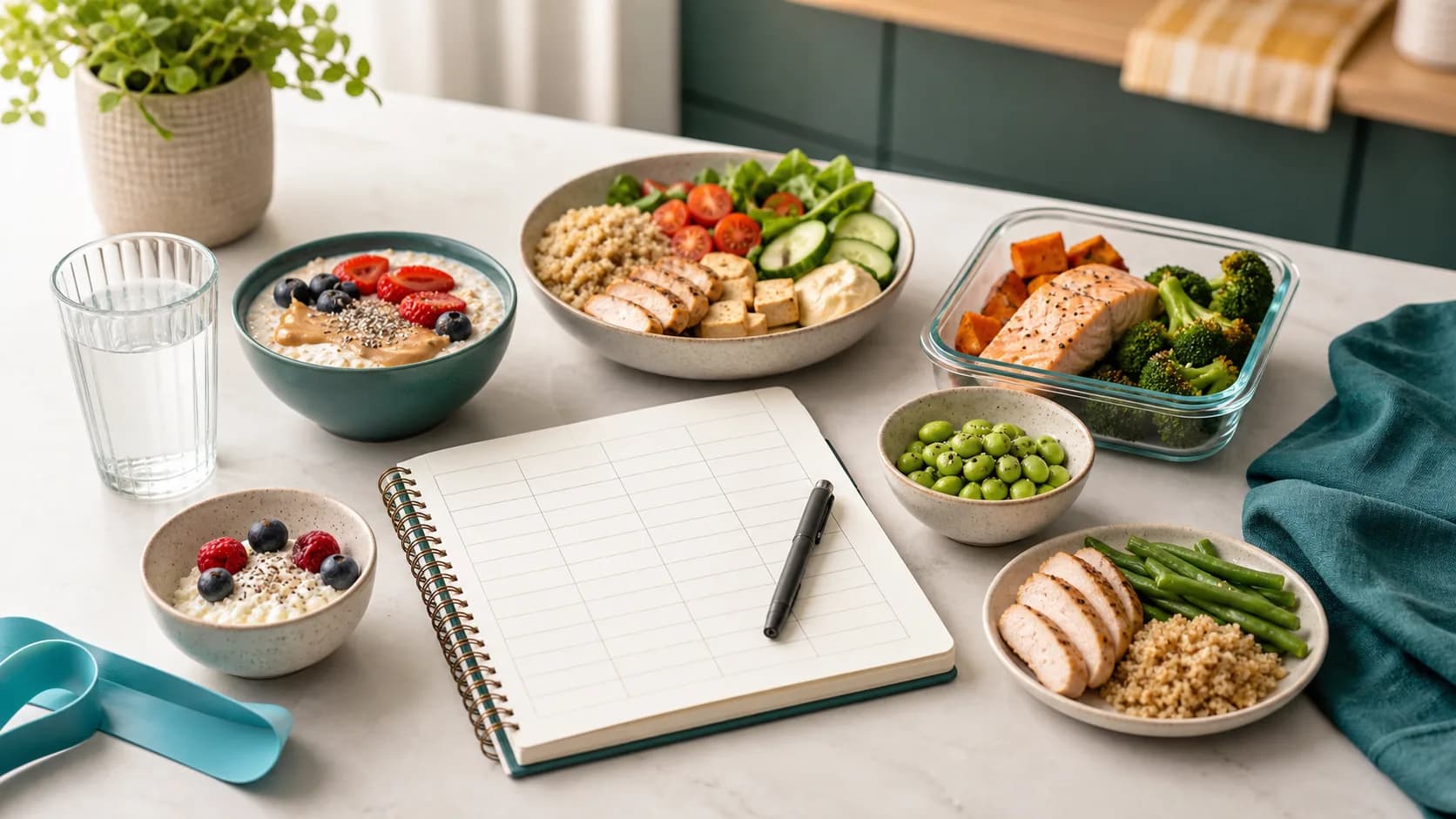
What This FAQ Covers
Answers to women's protein questions covering weight loss, training, pregnancy, breastfeeding, menopause, PCOS, meal planning, and safety cautions.
Medical and Life-Stage Caution
Pregnancy, breastfeeding, PCOS, menopause symptoms, diabetes medication changes, fertility treatment, kidney disease, and eating disorder history are YMYL contexts. Use this FAQ as education and follow care-team guidance for personal targets.
General Planning
These answers explain how women should think about protein targets without relying on one universal number.
Do women need less protein than men?+
Not automatically. Protein targets usually scale with body size, goal, activity, age, appetite, and health context. A smaller person may need fewer total grams, but the planning logic is similar.
What is a good daily protein target for women?+
A useful target depends on body weight and goal. Maintenance may be lower, while fat loss, muscle gain, athletic training, and older adulthood often use higher planning ranges.
Should women use grams per kg or grams per pound?+
Either method can work. Research often uses g/kg, while pounds-based targets can be easier for U.S. tracking. Use one method consistently.
Is high protein safe for women?+
For many healthy adults, higher-protein diets can fit well, but safety depends on medical context, kidney function, pregnancy, medications, allergies, and overall diet quality.
Should women eat protein at every meal?+
It usually helps. Spreading protein across breakfast, lunch, dinner, and optional snacks is easier than trying to hit most of the target at night.
Weight Loss and Body Composition
Protein can help dieting, but it still has to fit calories and food quality.
Can protein help women lose weight?+
Protein can support fullness and lean-mass retention during a calorie deficit. It does not cause fat loss by itself; total calories and adherence still matter.
How much protein should women eat for fat loss?+
Many fat-loss plans use a moderate to higher protein range, especially when lifting. The right point depends on body size, calories, appetite, and health context.
Will eating more protein make women bulky?+
Protein alone does not create bulky muscle. Visible muscle gain requires progressive training, enough calories, time, and genetics.
Should women use protein shakes for weight loss?+
A shake can help when it replaces a low-protein snack or raises breakfast protein. It can hurt progress if add-ins make it a high-calorie dessert.
What if protein targets increase hunger or cravings?+
Check total calories, fiber, fluids, carbs, fats, and meal timing. Protein helps many people, but overly restrictive diets can increase cravings.
Training and Muscle
Training changes how useful protein distribution and total daily intake become.
How much protein do women need to build muscle?+
Women building muscle generally need enough total protein, progressive resistance training, calories, sleep, and consistent meals. The muscle-gain calculator gives a better range than a generic target.
Is protein timing important for women who lift?+
Total daily protein matters most, but a protein-rich meal or snack around training can help when the next full meal is delayed.
Should women eat protein before bed?+
It can help if it closes a daily protein gap. Greek yogurt, cottage cheese, milk, soy foods, or a shake can work when they fit calories and digestion.
Do women athletes need more protein?+
Often yes, especially with high training volume, strength training, endurance work, or energy restriction. Athlete-specific planning should also account for carbs and total calories.
Can vegetarian women hit high protein targets?+
Yes. Dairy, eggs if eaten, soy foods, legumes, paneer, tofu, tempeh, Greek yogurt, and protein powder can all help depending on diet rules.
Life Stages and Hormones
Pregnancy, breastfeeding, menopause, and PCOS need more careful interpretation.
How should pregnancy change protein planning?+
Pregnancy can increase nutrient needs, but personal targets should come from the care team. Nausea, appetite, medical history, and fetal growth context matter.
How should breastfeeding change protein planning?+
Breastfeeding changes energy and fluid needs, and protein planning should fit milk supply, appetite, recovery, and clinician guidance.
Does menopause change protein needs?+
Menopause can make resistance training, protein distribution, and overall diet quality more important for body composition and muscle maintenance.
Does PCOS require a special protein target?+
PCOS does not create one universal protein number. Protein can support meal balance and fullness, but insulin resistance, medications, weight goals, and clinician advice matter.
Should women over 40 eat more protein?+
Many women over 40 benefit from more deliberate protein distribution, especially when lifting, dieting, or managing appetite. Exact needs still depend on body size and health context.
Food Choices and Safety
Food quality, labels, and medical boundaries matter as much as the target number.
What are easy high-protein breakfasts for women?+
Greek yogurt bowls, eggs, tofu scramble, cottage cheese, protein oats, smoothies, paneer, and soy milk can all work depending on diet preference.
Are protein powders safe for women?+
Many healthy adults can use protein powder, but check allergens, pregnancy context, third-party testing, ingredients, and whether it replaces balanced meals.
What should women check on protein labels?+
Check protein grams, serving grams, calories, added sugars, sodium, allergens, sweeteners, and third-party testing if sport or quality control matters.
When should women get medical advice before changing protein?+
Ask for guidance with pregnancy, breastfeeding, kidney disease, liver disease, diabetes medication changes, eating disorder history, GI disease, or prescribed diets.
Which tool should women use next?+
Use the women's calculator for a target, the protein-for-women guide for context, and the meal planner or food charts to turn the target into meals.
Sources reviewed
- Dietary Reference Intakes reference tables - National Academies Press / NCBI Bookshelf
- International Society of Sports Nutrition Position Stand: protein and exercise - Journal of the International Society of Sports Nutrition
- Healthy Eating During Pregnancy - American College of Obstetricians and Gynecologists
- Evidence-based recommendations for optimal dietary protein intake in older people - Journal of the American Medical Directors Association / PubMed
- How to Understand and Use the Nutrition Facts Label - U.S. Food and Drug Administration