
Chicken, Turkey & Lean Meats — Protein Chart
Lean meats are among the most protein-dense foods available. Use this chart to see exactly how many grams of protein each serving provides so you can plan meals that consistently hit your daily target from the Protein Calculator.
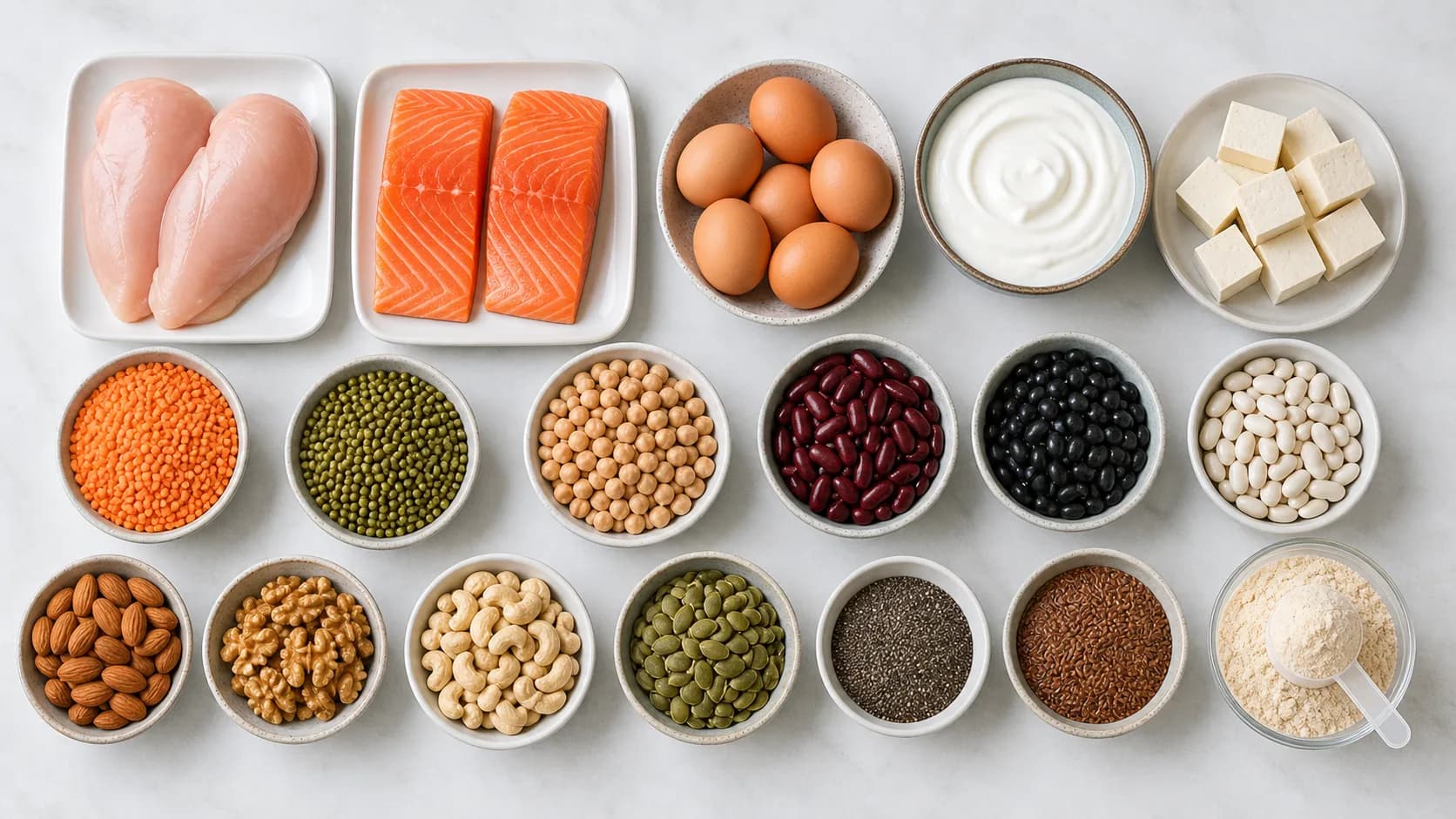
Why Lean Meats Are a Top Protein Source
Lean meats provide complete protein — all nine essential amino acids — with minimal fat per serving. Chicken breast, for example, delivers 46 g of protein in a single 150 g portion. Adding one serving to lunch can cover nearly 40% of a typical 120 g daily target in a single meal.
Protein per Serving — Chicken, Turkey & Lean Meats
| Food | Serving | Protein | Per 100 g |
|---|---|---|---|
| Chicken Breast (cooked) | 150 g / 5.3 oz | 46g | 31g |
| Chicken (cooked mixed cuts) | 100 g / 3.5 oz | 27g | 27g |
| Turkey Breast (cooked) | 150 g / 5.3 oz | 44g | 29g |
| Duck Breast (cooked) | 100 g / 3.5 oz | 19g | 19g |
| Pork Tenderloin (cooked) | 150 g / 5.3 oz | 40g | 27g |
| Lean Ground Beef 93/7 (cooked) | 150 g / 5.3 oz | 39g | 26g |
| Lean Cooked Beef | 100 g / 3.5 oz | 26g | 26g |
| Bison / Buffalo (cooked) | 150 g / 5.3 oz | 38g | 25g |
| Elk Meat (cooked) | 100 g / 3.5 oz | 30g | 30g |
| Chicken Thigh (cooked, skinless) | 150 g / 5.3 oz | 34g | 23g |
| Pork Loin Chop (cooked) | 150 g / 5.3 oz | 37g | 25g |
| Venison / Deer (cooked) | 150 g / 5.3 oz | 39g | 26g |
| Lean Ground Turkey 93/7 (cooked) | 150 g / 5.3 oz | 36g | 24g |
| Sirloin Steak (cooked) | 150 g / 5.3 oz | 37g | 25g |
Values are approximate based on USDA data for cooked weights. Actual protein varies by cooking method and specific cut.
Best Picks by Goal
Top Leanest
Use these when the goal is maximum protein with minimal added fat calories.
Best for Muscle Gain
These bring complete protein with enough calories and micronutrients to build larger meals.
Meal Prep Picks
Choose these for repeatable lunches, freezer meals, and bowls that are easy to portion.
Notes on Each Meat
Leanest cut; ideal base for high-protein meals
Use when the cut is unknown; breast and thigh differ
Slightly lower fat than chicken; great for meal prep
Complete poultry protein; fat varies greatly with skin
Leanest cut of pork; comparable to chicken breast
Higher in iron and zinc than poultry
Very high complete protein; saturated fat varies by cut
Bison / Buffalo (cooked)
38gSlightly leaner than beef; rich, mild flavor
Very lean complete game meat protein
More fat than breast; juicier and more flavorful
Pork Loin Chop (cooked)
37gAffordable lean pork option
Venison / Deer (cooked)
39gVery lean wild game; high in B vitamins
Versatile; use in place of ground beef
Leaner steak cut; good balance of flavor and protein
Tips for Using Lean Meats to Hit Your Protein Target
Batch Cook on Sundays
Grill or bake a batch of chicken breasts or turkey at the start of the week. Store in the fridge for up to 4 days and add to salads, wraps, or rice bowls for instant high-protein meals.
Weigh After Cooking
Meat loses water during cooking and can shrink 20–30% in weight. All values in this chart use cooked weight — weigh your food after cooking for accurate tracking.
Mix Cuts for Variety
Rotate between chicken breast, turkey, pork tenderloin, and lean beef to keep meals interesting while maintaining high protein density. Each cut has a slightly different flavor and nutrient profile.
Pair with Protein Sides
Combine chicken or turkey with Greek yogurt-based sauces, cottage cheese dips, or egg-based dishes to stack protein sources and reach higher daily totals more easily.
Frequently Asked Questions
Which meat has the most protein per gram?
Chicken breast has approximately 31 g of protein per 100 g cooked, making it one of the highest protein-per-gram meats. Turkey breast and venison are close behind at around 29-26 g per 100 g.
Is chicken breast better than chicken thigh for protein?
Chicken breast has more protein per gram (about 31 g/100 g vs 23 g/100 g for thigh) because it has less fat. However, chicken thigh is still a high-protein food and is more forgiving to cook. Both are excellent choices depending on your preference.
How much protein does a chicken breast have?
A typical cooked chicken breast weighing about 150 g (5.3 oz) contains around 46 g of protein. Smaller portions (100 g) provide about 31 g. The exact amount varies slightly based on cooking method and individual piece size.
Is red meat a good protein source?
Yes. Lean cuts like sirloin, pork tenderloin, and bison provide 25-27 g of protein per 100 g — comparable to chicken. Red meat also provides more iron, zinc, and B12 than poultry. Choosing leaner cuts keeps the protein-to-fat ratio favorable.
How should I cook chicken to maximize protein retention?
Baking, grilling, poaching, and steaming preserve the most protein. High-heat methods like pan-searing are fine too. Avoid deep frying, which adds significant fat calories without increasing protein content.
Other Protein Chart Categories
Know How Much Protein You Need
Use the free calculator to get your personalized daily protein target, then use this chart to build meals around lean meats that hit it.
Calculate My Daily Protein