
Medical Nutrition Note
This article is general nutrition education, not treatment for heart disease, high blood pressure, high cholesterol, heart failure, kidney disease, diabetes, or medication-related needs. Sodium, fluid, potassium, calories, and protein may need to be individualized. If you have a diagnosis or take prescription medication, use your clinician or registered dietitian's plan over a general online guide.
Heart-health nutrition guide
Heart-Healthy Diet: High-Protein Foods, 7-Day Meal Plan, Smart Swaps, and Foods to Limit
A heart-healthy diet is not a menu of expensive superfoods, and it is not defined by one nutrient. It is a repeatable eating pattern: plenty of vegetables and fruit, mostly whole grains, healthy protein sources, unsaturated fats in place of saturated-fat-heavy choices, and less sodium, added sugar, and heavily processed food.
Protein can fit that pattern very well. The important question is not simply how many grams you eat, but which foods deliver them. Lentils, beans, chickpeas, tofu, tempeh, edamame, fish, seafood, low-fat dairy, nuts, seeds, eggs, and lean unprocessed poultry can support a protein-rich plan without turning every meal into red meat, processed meat, fried food, or a salty packaged snack.
This guide turns the updated 2026 American Heart Association dietary guidance and the NHLBI DASH eating plan into practical meals, shopping decisions, label checks, protein swaps, and a flexible seven-day example.
Quick Answer
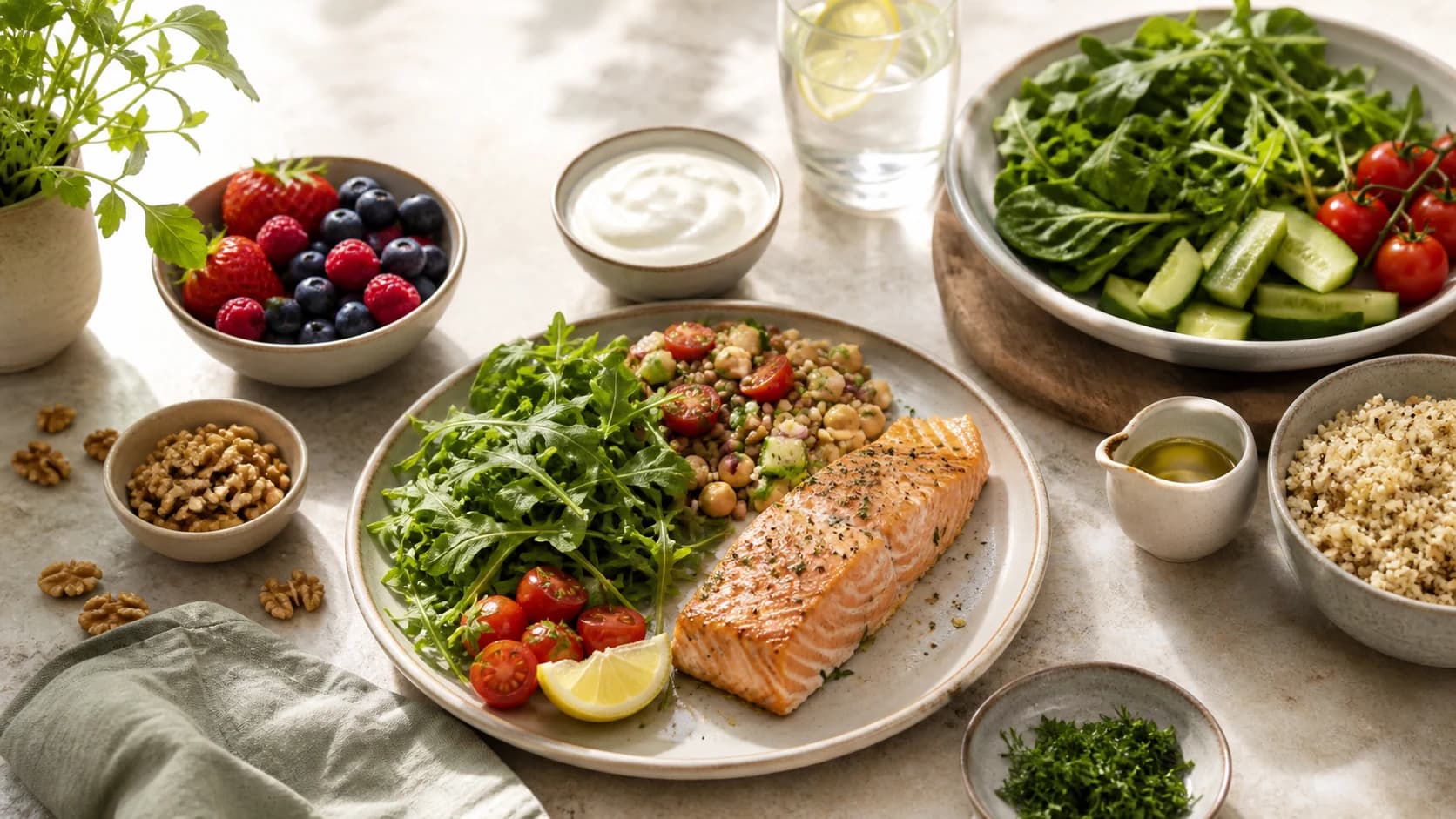
Build most meals from a plant-rich base, then add a healthy protein anchor. Choose beans, lentils, soy foods, fish, seafood, low-fat dairy, nuts, seeds, eggs, and lean unprocessed poultry more often. Use whole grains, vegetables, fruit, and measured unsaturated fats around that protein. Compare sodium and saturated fat on packaged foods, minimize processed meat and deep-fried foods, and use the DASH pattern when you want a structured blood-pressure-friendly framework.
What This Guide Covers
1. What a Heart-Healthy Diet Actually Means
The strongest guidance focuses on the whole dietary pattern instead of trying to fix health with a single food, vitamin, supplement, or macro ratio. The American Heart Association's 2026 scientific statement organizes heart-healthy eating around nine connected features: a suitable energy balance, plenty of varied vegetables and fruit, mostly whole grains, healthy protein sources, unsaturated fats replacing saturated-fat sources, minimally processed choices, less added sugar, less sodium, and caution with alcohol.
That leaves room for different cultures, budgets, cuisines, and preferences. A Mediterranean-style salmon and lentil bowl can fit. So can dal with brown rice and plain curd, tofu with vegetables and barley, black beans with corn tortillas and cabbage, or chicken with roasted vegetables and quinoa. The pattern matters more than forcing everyone to eat the same recipe.
| Pattern feature | What it means | Practical application |
|---|---|---|
| Vegetables and fruit | Use a wide variety across meals and snacks. | Fresh, frozen, dried, or no-salt-added canned options can all fit. |
| Whole grains | Choose mostly whole-grain versions instead of refined grains. | Oats, barley, brown rice, quinoa, whole-wheat bread, and corn tortillas are practical options. |
| Healthy protein sources | Rotate legumes, nuts, seeds, fish, seafood, low-fat dairy, soy foods, and lean unprocessed meat or poultry. | Protein quality is about the food package, not only the grams. |
| Unsaturated fats | Use foods rich in unsaturated fat in place of saturated-fat-heavy choices. | Olive, canola, peanut, safflower, or sesame oil; nuts; seeds; avocado; and fish. |
| Minimally processed foods | Build most meals from recognizable staple foods. | Processing is not automatically harmful, but heavily salted, sugary, or fatty products need closer label checks. |
| Less sodium | Choose lower-sodium foods and cook with little or no added salt. | Flavor with lemon, vinegar, garlic, herbs, chilies, ginger, cumin, paprika, and pepper. |
| Less added sugar | Make water and unsweetened drinks the default. | Keep sweetened drinks and dessert-style snacks occasional rather than daily anchors. |
| Alcohol caution | Do not start drinking for heart health. | If you drink, follow individualized medical advice and current public-health guidance. |
2. How to Make a High-Protein Diet Heart-Healthy
Protein grams do not tell you whether a meal is heart-healthy. A bowl of lentils, tofu, vegetables, and brown rice may provide protein together with fiber and unsaturated fat. Bacon, sausage, fried chicken, and a salty protein bar can also provide protein, but they come in a very different food package. Source, processing, cooking method, sodium, saturated fat, fiber, and the foods displaced by the protein all matter.
For most people, the simplest improvement is rotation. Let legumes or soy anchor several meals each week. Eat fish or seafood regularly if it fits your diet. Use low-fat dairy, eggs, lean poultry, or lean unprocessed meat where useful. Treat processed meat as an occasional choice instead of the default breakfast, sandwich filling, snack, and dinner protein.
If you are a healthy adult setting a general protein target, the Protein Calculator can organize a starting range. If you have heart disease, heart failure, kidney disease, or a clinician-set nutrition plan, do not use a general calculator to override it.
3. Heart-Healthy High-Protein Foods to Choose More Often
Use this list as a rotation, not a ranking. A varied week is easier to sustain and gives you different combinations of fiber, minerals, fats, and amino acids. For exact serving estimates, compare the Food Protein Charts with the package label and the form you actually eat.
| Protein choice | Why it fits | What to check |
|---|---|---|
| Beans, lentils, chickpeas, peas | Protein plus fiber; useful in soups, curries, salads, chili, tacos, and grain bowls. | Choose no-salt-added canned products when possible, or rinse and drain regular canned beans. |
| Tofu, tempeh, edamame, unsweetened soy milk | Flexible complete soy protein for breakfasts, bowls, stir-fries, and snacks. | Compare sodium in flavored tofu, tempeh, sauces, and packaged soy products. |
| Fish and seafood | Protein with useful unsaturated fats; fatty fish adds omega-3 fats. | Bake, grill, roast, steam, or air-cook instead of deep-frying; rotate seafood choices. |
| Low-fat or fat-free dairy | Greek yogurt, skyr, milk, and cottage cheese can make meals protein-rich. | Cottage cheese and cheese can be sodium-dense, so compare brands and portions. |
| Nuts and seeds | Protein, fiber, and unsaturated fats in a compact serving. | Choose unsalted versions and measure portions because calories add up quickly. |
| Skinless poultry and lean unprocessed meat | Efficient protein when plant foods or seafood are not the main anchor. | Choose fresh cuts more often than deli meat, sausage, bacon, jerky, or breaded products. |
| Eggs | Convenient complete protein that can fit inside an overall heart-healthy pattern. | The full-day pattern, preparation method, and what eggs replace matter more than treating one food as a cure or danger. |
4. Foods to Limit: Use Replacements, Not a Fear List
A useful heart-health guide should tell you what to eat instead, not only what to remove. The biggest recurring problems are usually processed meat, frequent deep-frying, large amounts of saturated-fat-heavy cooking fats, salty condiments, sugar-sweetened drinks, and packaged meals where sodium or calories are easy to underestimate.
You do not have to make every swap overnight. Start with the choice you repeat most often. Replacing a daily processed-meat lunch will usually matter more than worrying about one restaurant meal in an otherwise balanced week.
| Instead of | Try | Why the swap helps |
|---|---|---|
| Bacon, sausage, salami, hot dogs, deli meat | Beans, tofu, fish, leftover roast chicken, eggs, or lower-sodium tuna | Usually reduces processed meat and can lower sodium or saturated fat depending on the replacement. |
| Deep-fried fish or chicken | Baked, grilled, roasted, steamed, or air-cooked versions | Keeps the protein while reducing breading and absorbed frying fat. |
| Butter, ghee, coconut oil, palm oil as the default | Measured olive, canola, peanut, or other nontropical plant oil | Replaces a saturated-fat-heavy cooking fat with an unsaturated-fat source. |
| Full-fat creamy sauce | Plain low-fat yogurt, tahini-lemon, tomato salsa, or herb sauce | Can reduce saturated fat; sodium still depends on the recipe. |
| Salt-heavy bottled marinade | Lemon, vinegar, herbs, garlic, ginger, chilies, and a measured lower-sodium sauce | Builds flavor without allowing one condiment to dominate the sodium total. |
| Sugary cereal or pastry breakfast | Oats with berries, Greek yogurt, nuts, seeds, or eggs | Adds protein, fiber, and a more substantial meal structure. |
| Refined-grain side at every meal | Barley, oats, brown rice, quinoa, whole-wheat bread, or beans | Raises whole-grain or fiber-rich food intake without requiring a low-carbohydrate diet. |
5. DASH vs Mediterranean-Style Eating
DASH—Dietary Approaches to Stop Hypertension—is a flexible, evidence-based plan built around vegetables, fruit, whole grains, low-fat dairy, fish, poultry, beans, nuts, and vegetable oils. It limits saturated-fat-heavy foods, sugar-sweetened drinks, sweets, and sodium. NHLBI's standard DASH example uses 2,300 mg sodium per day, while its lower-sodium 1,500 mg version produced greater blood-pressure reductions in the DASH-Sodium research.
Mediterranean-style eating overlaps heavily: vegetables, fruit, legumes, whole grains, nuts, olive oil, herbs, and fish are central; red and processed meat are less prominent. DASH gives more explicit serving and sodium structure. Mediterranean-style eating is often described more as a food pattern. Neither requires protein to be low, and neither requires carbohydrates to be avoided.
Choose DASH when
You want a structured framework with clear food-group servings and sodium levels, especially for a blood-pressure conversation with your care team.
Choose Mediterranean-style when
You prefer a flexible plant-rich pattern centered on legumes, vegetables, whole grains, nuts, olive oil, herbs, and seafood.
6. A Practical Heart-Healthy Plate Formula
Start with vegetables or fruit, add a meaningful healthy protein anchor, include a fiber-rich carbohydrate or whole grain, then use a measured unsaturated-fat source and a low-sodium flavor system. This is a planning method, not a medical prescription or a rigid plate ratio.
- 1
Choose the protein anchor
Lentils, beans, tofu, fish, Greek yogurt, eggs, or lean unprocessed poultry should be obvious in the meal.
- 2
Add plant volume
Use at least one substantial vegetable or fruit component instead of treating garnish as the plant portion.
- 3
Choose the carbohydrate deliberately
Oats, barley, brown rice, quinoa, whole-grain bread, potatoes, corn, and legumes can all fit.
- 4
Use unsaturated fat as a replacement
Olive oil, nuts, seeds, avocado, or fish can replace butter-heavy or tropical-oil-heavy choices; portion still matters.
- 5
Build flavor before salt
Use acid, herbs, spices, aromatics, texture, and heat, then add measured salt or sauce only if needed.
7. Seven-Day Heart-Healthy High-Protein Meal Plan
This example shows variety and meal structure; it is not a prescribed calorie, sodium, or protein target. Estimated protein assumes common adult portions and can change substantially by brand, recipe, appetite, and serving size. Adjust portions to your energy needs. If you have a medical protein, sodium, potassium, carbohydrate, or fluid prescription, use that instead.
| Day | Breakfast | Lunch | Dinner | Snack | Estimated daily protein* |
|---|---|---|---|---|---|
| Day 1 | Greek yogurt oats with berries, chia, and walnuts | Lentil-chickpea quinoa bowl with greens and lemon | Baked salmon, barley, broccoli, and tomato salad | Fruit with unsalted nuts | About 90-105 g |
| Day 2 | Egg and egg-white vegetable toast with fruit | Tofu-edamame brown-rice bowl with ginger and lime | Skinless chicken, roasted vegetables, and quinoa | Plain skyr or yogurt | About 95-115 g |
| Day 3 | Skyr, oats, berries, and ground flax | Tuna and white-bean salad on whole-grain toast | Lentil pasta with tomato, spinach, mushrooms, and yogurt-herb side | Apple with peanut butter | About 90-110 g |
| Day 4 | Tofu scramble with vegetables and whole-grain toast | Leftover salmon and barley salad | Turkey-and-bean chili with avocado and cabbage | Berries with low-fat yogurt | About 95-115 g |
| Day 5 | Overnight oats with unsweetened soy milk, yogurt, and berries | Chicken-hummus vegetable wrap with a lower-sodium tortilla | Tofu and lentil curry with brown rice and greens | Unsalted walnuts and fruit | About 90-110 g |
| Day 6 | Vegetable omelet with plain low-fat yogurt and fruit | Black-bean quinoa bowl with corn, tomato, cabbage, and lime | Whole-grain pasta with sardines or salmon, spinach, lemon, and herbs | Edamame or skyr | About 90-115 g |
| Day 7 | Greek yogurt bowl with oats, pear, cinnamon, and seeds | Lentil soup with tofu or a low-sodium bean-and-whole-grain side | Baked cod, chickpeas, roasted vegetables, and barley | Fruit with unsalted nuts | About 85-105 g |
*Estimates are planning ranges, not laboratory values. Verify exact foods and serving sizes with USDA FoodData Central or the product label. The goal is a repeatable pattern, not hitting the same number every day.
8. Meal Prep That Protects Variety
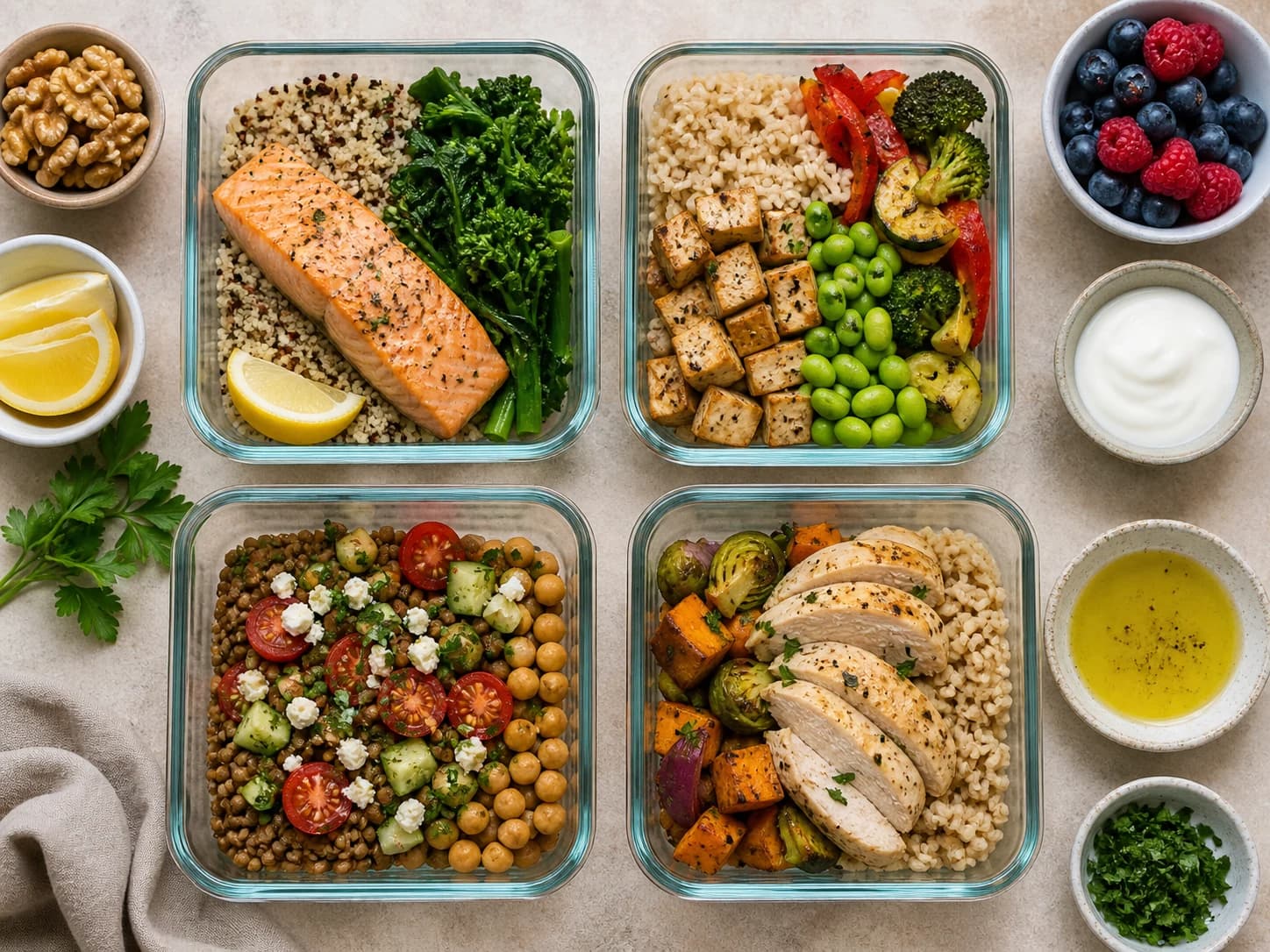
Meal prep works best when you prepare components, not seven identical containers. Cook one whole grain, one pot of lentils or beans, two trays of vegetables, one plant protein, and one fish or lean poultry option. Keep lemon, herbs, yogurt sauce, salsa, vinegar, and spices ready so the same ingredients can become bowls, wraps, salads, soups, or plates.
Heart-Healthy Grocery List
| Category | Staples |
|---|---|
| Plant proteins | Lentils, chickpeas, black beans, white beans, tofu, tempeh, edamame, unsweetened soy milk |
| Fish and lean animal proteins | Salmon, sardines, cod, tuna, skinless chicken or turkey, eggs |
| Low-fat dairy | Plain Greek yogurt, skyr, low-fat milk, lower-sodium cottage cheese when available |
| Whole grains and starches | Oats, barley, brown rice, quinoa, whole-wheat bread or wraps, potatoes, corn tortillas |
| Vegetables | Leafy greens, broccoli, tomatoes, peppers, carrots, cabbage, mushrooms, onions, frozen mixed vegetables |
| Fruit | Berries, apples, pears, oranges, bananas, seasonal fruit |
| Unsaturated fats and flavor | Olive or canola oil, unsalted walnuts or almonds, chia, flax, avocado, lemon, vinegar, herbs, garlic, spices |
| Lower-sodium backups | No-salt-added beans, frozen fish, plain oats, frozen vegetables, unsalted nuts, lower-sodium canned fish |
9. Sodium, Saturated Fat, and Nutrition Labels
The front of a package can say natural, high protein, plant-based, clean, keto, or heart smart without telling you whether the product fits your full day. The Nutrition Facts panel is more useful. Start with serving size, then compare sodium, saturated fat, added sugar, calories, and protein across products you would realistically eat in the same amount.
The FDA Daily Values use 2,300 mg for sodium and 20 g for saturated fat on a 2,000-calorie reference diet. These are label reference values, not personalized prescriptions. A product with 20% Daily Value or more of a nutrient per serving is considered high by the FDA's general guide, while 5% or less is low. Check how many servings you actually consume.
Common sodium traps
Deli meat, sausage, canned soup, instant noodles, restaurant sauces, pickles, salty cheese, breaded frozen foods, flavored rice, seasoning packets, protein bars, cottage cheese, and canned fish can vary widely. Compare brands instead of assuming every product in a category is the same.
Lowering sodium does not require flavorless food. Use lemon or lime, vinegar, garlic, ginger, onion, fresh herbs, cumin, coriander, paprika, pepper, chilies, toasted spices, and unsalted nuts or seeds for flavor and texture.
10. Vegetarian, Vegan, Budget, and Cultural Adaptations
A vegetarian plan can use Greek yogurt, skyr, eggs, cottage cheese, tofu, tempeh, edamame, lentils, beans, chickpeas, seitan, soy milk, nuts, and seeds. A vegan plan can center the same plant proteins, with reliable vitamin B12 and attention to calcium, vitamin D, iodine, iron, omega-3 fats, and total energy. Use the Vegetarian Protein Meal Planner for meal structure, then apply the sodium and saturated-fat checks from this guide.
Budget-friendly heart-healthy proteins include dry lentils, dry beans, chickpeas, eggs, tofu, canned fish, plain yogurt, frozen edamame, peanut butter, and lower-cost frozen fish. Frozen vegetables, oats, brown rice, barley, seasonal fruit, and no-salt-added canned foods reduce waste and make the plan more repeatable.
Cultural meals do not need to be replaced by generic salad bowls. Use the same principles inside familiar food: more dal or beans, vegetables and whole grains; less processed meat and deep-frying; measured oil; lower-sodium seasoning; and a clear protein anchor. The best plan is one your household can shop for, cook, enjoy, and repeat.
11. When a General Heart-Healthy Diet Is Not Enough
Diagnosed heart disease does not create one universal diet. Heart failure may involve individualized sodium and fluid guidance. Kidney disease can change protein, potassium, phosphorus, sodium, and fluid needs. Diabetes medication can change how carbohydrates and meal timing should be managed. Anticoagulants or other medicines may require consistent food patterns or interaction checks.
Get individualized help if you have chest pain, shortness of breath, new swelling, fainting, rapid unexplained weight change, severe fatigue, very high blood pressure readings, or medication side effects. Nutrition content cannot diagnose or treat urgent symptoms.
For the narrower question of how protein source relates to cardiovascular risk, see the Protein and Cardiovascular Health section. That page covers protein safety; this page covers the complete dietary pattern.
12. A Simple Four-Week Start
Week 1
Replace one processed-meat meal and add one bean, lentil, or tofu meal.
Week 2
Compare sodium on five foods you buy often and switch the easiest two.
Week 3
Prepare one whole grain, two vegetables, and two protein anchors for flexible meals.
Week 4
Review what you repeated successfully, then improve the weakest meal of the day.
Sources reviewed
- 2026 Dietary Guidance to Improve Cardiovascular Health: Top Things to Know - American Heart Association
- DASH Eating Plan - National Heart, Lung, and Blood Institute
- Health Benefits of DASH - National Heart, Lung, and Blood Institute
- Picking Healthy Proteins - American Heart Association
- How Much Sodium Should I Eat Per Day? - American Heart Association
- Daily Value and Percent Daily Value on the Nutrition and Supplement Facts Labels - U.S. Food and Drug Administration
- USDA FoodData Central - U.S. Department of Agriculture